Last summer, my friend Rachel called me in a panic. Her golden retriever, Duke, had gotten into the garden while she wasn’t watching. He’d eaten several fallen fruits from the ground—some safe, some not.
“I found grape stems and apple cores near his bed,” she said. “How do I know what he actually ate?”
That call ended with a trip to the emergency vet. Duke was fine, thankfully. But Rachel learned an expensive lesson about knowing which fruits are safe for dogs and keeping harmful ones out of reach.
If you grow fruit at home, you probably deal with this question regularly. Dogs follow us into gardens. They eat what falls on the ground. They steal fruit off low branches when we’re not looking.
According to the American Kennel Club, over 60% of dog owners share human food with their pets. Many don’t know what’s actually safe. Some fruits are wonderful treats for dogs. Others can send them to the hospital.
This guide covers everything you need to know about what fruits are good for dogs. Which ones are safe, which ones are toxic, how much to feed, and how to prepare them properly.
Understanding Fruits in a Dog’s Diet
Can Dogs Eat Fruit? The Basics
Yes, dogs can eat many fruits. They’re omnivores, which means their digestive systems handle both meat and plant foods.
But fruits should be treats—not meals. The general rule is simple: treats should make up no more than 10% of your dog’s daily calories. This includes fruits.
Think of fruit as a bonus, not a food group. Your dog gets complete nutrition from their regular food. Fruits add variety, extra vitamins, and make training more fun.
Some dogs love fruit. My neighbor’s beagle will do anything for a blueberry. Other dogs show no interest at all. Both responses are normal.
When you introduce new fruits, go slowly. Start with a small piece. Wait a day or two. Watch for any digestive upset or allergic reactions before offering more.
Nutritional Benefits of Fruits for Dogs
Fruits bring real benefits to your dog’s diet when fed properly:
Vitamins A, C, and E support immune function and healthy skin. Blueberries and mangoes are especially rich in these.
Antioxidants fight cell damage and may help aging dogs stay healthier longer. Berries pack the most antioxidants.
Fiber aids digestion and helps dogs feel full. Apples and pears offer good fiber content.
Hydration comes from high-water fruits like watermelon and cucumber. Great for hot summer days.
Natural sugars provide quick energy. Useful before active play or training sessions.
Veterinary nutritionist Dr. Lisa Freeman notes: “Fruits can be excellent low-calorie treats for dogs, especially those watching their weight. They provide nutrients without the empty calories of many commercial treats.”
How to Safely Introduce Fruits to Your Dog
Follow these steps when trying a new fruit:
- Start with just one or two small pieces
- Wait 24-48 hours before offering more
- Watch for vomiting, diarrhea, or scratching
- Introduce only one new fruit at a time
- Talk to your vet if your dog has health conditions
Small dogs need much smaller portions than large dogs. A single blueberry is a reasonable treat for a Chihuahua. A Labrador can handle a small handful.
15 Safe Fruits That Are Good for Dogs
Apples – Crunchy and Nutritious
Apples are one of the best fruits for dogs. They’re crunchy, which dogs love, and they help clean teeth naturally.
Benefits: Vitamins A and C, fiber, low in fat
Preparation: Remove all seeds and the core. Apple seeds contain cyanide compounds that are toxic in larger amounts. Slice into bite-sized pieces.
Serving size: 1-2 slices for small dogs, 2-4 slices for large dogs
Home gardeners: If you grow apples, keep fallen fruit picked up. Dogs will eat them whole, including the seeds and core.
Blueberries – Superfood for Dogs
These tiny berries pack massive nutritional punch. They’re my top recommendation for dog treats.
Benefits: Loaded with antioxidants, vitamins C and K, low calories
Preparation: Wash and serve whole. They’re already the perfect size for treats.
Serving size: 2-3 berries for small dogs, a handful for large dogs
Frozen blueberries make excellent summer treats. My dogs love them straight from the freezer.
Watermelon – Hydrating Summer Treat
Watermelon is 92% water. On hot days, it’s one of the best ways to help your dog stay hydrated.
Benefits: Vitamins A, B6, and C, very low calorie
Preparation: Remove all seeds and the rind. The rind can cause intestinal blockage. Cut flesh into small chunks.
Serving size: 1-2 small chunks for small dogs, 3-4 for large dogs
If you grow watermelons, keep dogs away from the vines. Some dogs will eat unripe melons, which can cause stomach upset.
Bananas – Energy Boost
Bananas give dogs a quick energy boost. Good before long walks or active play.
Benefits: Potassium, vitamin B6, biotin, fiber
Preparation: Remove peel and slice into small pieces
Caution: High in sugar. Feed sparingly—once or twice a week at most.
Serving size: 1-2 small pieces for small dogs, half a banana for large dogs
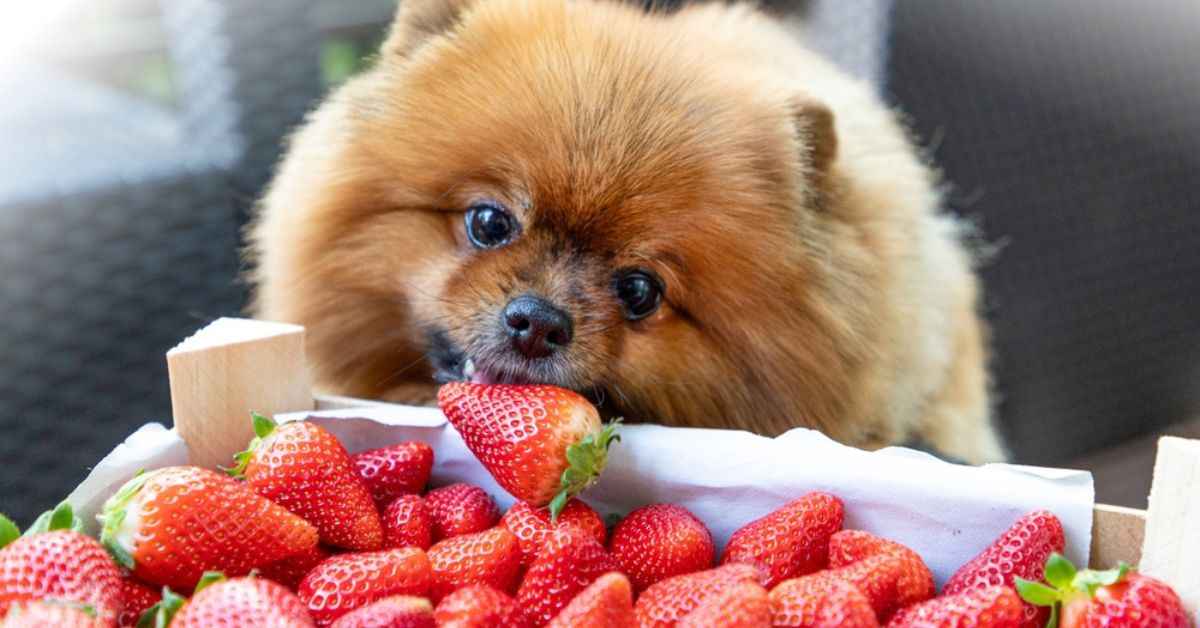
Strawberries – Sweet and Healthy
Strawberries contain an enzyme that can help whiten teeth naturally. They’re also just tasty treats that most dogs enjoy.
Benefits: Vitamin C, fiber, antioxidants
Preparation: Remove stems and cut large berries in half
Serving size: 1-2 berries for small dogs, 3-4 for large dogs
Fresh or frozen both work well. Avoid strawberries packed in syrup or sugar.
Cantaloupe – Vitamin-Rich Melon
The beta-carotene in cantaloupe supports eye health. The orange color tells you it’s packed with vitamin A.
Benefits: Vitamins A and C, hydration, low calories
Preparation: Remove rind and seeds completely. Cut into small cubes.
Serving size: 1-2 small cubes for small dogs, 3-4 for large dogs
Oranges – Citrus Vitamin Boost
Some dogs love the tangy taste. Others want nothing to do with citrus. Either reaction is normal.
Benefits: Vitamin C, potassium, fiber
Preparation: Remove all peel, white pith, and seeds. Separate into segments.
Serving size: 1-2 segments for small dogs, 2-3 for large dogs
The strong smell may deter some dogs. That’s fine—plenty of other options exist.
Pears – Gentle on Digestion
Pears are soft and easy to digest. Good for dogs with sensitive stomachs.
Benefits: Vitamins C and K, copper, fiber
Preparation: Remove seeds, stem, and core. Cut into small slices.
Serving size: 1-2 small slices for small dogs, 2-3 for large dogs
Mango – Tropical Treat
Dogs love the sweet taste of ripe mango. It’s like candy to them—which means moderation matters.
Benefits: Vitamins A, B6, C, and E, fiber
Preparation: Remove pit completely (it contains cyanide). Peel the skin. Cut into small pieces.
Caution: High in sugar. Limit to occasional treats.
Serving size: 1-2 small pieces for small dogs, 2-3 for large dogs
Pineapple – Enzyme-Rich Fruit
The bromelain enzyme in pineapple aids digestion. Some dog owners use it to discourage coprophagia (eating feces).
Benefits: Vitamins C and B6, bromelain enzyme
Preparation: Remove tough outer skin and hard core. Cut soft flesh into small chunks.
Serving size: 1-2 small chunks for small dogs, 2-3 for large dogs
Fresh pineapple is best. Canned pineapple often contains added sugar.
Raspberries – Low-Sugar Berry
Among berries, raspberries have the lowest sugar content. They’re especially good for senior dogs because of their anti-inflammatory properties.
Benefits: Fiber, vitamin C, anti-inflammatory compounds
Preparation: Wash and serve whole
Caution: Contains trace amounts of xylitol naturally. Limit to a few berries at a time.
Serving size: 2-3 berries for small dogs, 6-8 for large dogs
Cranberries – Urinary Support
Fresh cranberries may support urinary tract health in dogs. The tart taste isn’t for every dog, though.
Benefits: Vitamins C, E, and K, antioxidants
Preparation: Wash and serve fresh, or use unsweetened dried cranberries
Serving size: 1-2 berries for small dogs, 3-5 for large dogs
Avoid cranberry sauce or sweetened dried cranberries.
Peaches – Sweet Summer Fruit
Fresh peaches in season are wonderful treats. The pit is the big danger here.
Benefits: Vitamins A and C, fiber
Preparation: Remove pit completely. It contains cyanide and can cause blockages. Cut flesh into small slices.
Serving size: 1-2 small slices for small dogs, 2-3 for large dogs
If you grow peaches, keep fallen fruit away from dogs.
Cucumbers – Low-Calorie Crunch
Technically a fruit, cucumbers are perfect for overweight dogs. Almost no calories, mostly water.
Benefits: Vitamins K, C, and B1, hydration, extremely low calorie
Preparation: Wash and slice into rounds
Serving size: 1-2 slices for small dogs, 3-4 for large dogs
Pumpkin – Digestive Champion
Pumpkin is the go-to fruit for digestive issues in dogs. It works for both diarrhea and constipation.
Benefits: Fiber, beta-carotene, digestive support
Preparation: Plain, cooked pumpkin only. Canned pure pumpkin works well.
Caution: Avoid pumpkin pie filling—it contains spices that are harmful to dogs.
Serving size: 1 teaspoon for small dogs, 1-2 tablespoons for large dogs
Veterinarian Dr. Sarah Johnson recommends: “I tell clients to keep a can of pure pumpkin in the pantry. It’s often the first thing I suggest for mild digestive upset before coming to the clinic.”
Fruits That Are Toxic to Dogs – What to Avoid
Some fruits are dangerous. Know these and keep them away from your dog.
Grapes and Raisins – Extremely Dangerous
This is the big one. Grapes and raisins are highly toxic to dogs. Even small amounts can cause acute kidney failure.
Why dangerous: Unknown toxic substance affects kidneys
Symptoms: Vomiting, lethargy, decreased urination, weakness
What to do: Seek immediate veterinary care. Don’t wait for symptoms.
There is no safe amount. One grape can harm some dogs. If you grow grapes at home, fence them completely away from your dog.
The ASPCA Poison Control Center lists grapes as one of the most dangerous foods for dogs.
Cherries – Pit Dangers
The flesh of cherries isn’t highly toxic, but the pits, stems, and leaves contain cyanide. The pits can also cause intestinal blockage.
Best approach: Avoid cherries entirely. The risk isn’t worth the reward.
Avocados – Persin Toxicity
Avocados contain persin, which is toxic to dogs. The pit is also a choking hazard.
Symptoms: Vomiting, diarrhea
Caution: If you grow avocados, keep dogs away from fallen fruit and leaves.
Tomatoes – Green Parts Are Toxic
Ripe red tomatoes in small amounts are generally okay. But green tomatoes, stems, and leaves contain solanine, which is toxic.
Best approach: If you have tomato plants, fence your garden. Dogs shouldn’t have access to the plants.
Fruit Parts to Always Remove
Even safe fruits have dangerous parts:
- Apple seeds: Contain cyanide compounds
- Stone fruit pits: Peach, plum, apricot pits are toxic and cause blockages
- Cherry pits: Especially dangerous—cyanide plus choking risk
- Citrus peels: Can cause digestive upset
Always core, seed, and pit fruits before feeding them to your dog.
How to Prepare Fruits for Your Dog
Washing and Cutting Properly
Wash all fruits before feeding, even organic ones. Running water removes pesticides, wax, and dirt.
Cut fruits into bite-sized pieces based on your dog’s size. A Great Dane can handle bigger chunks than a Yorkshire Terrier. When in doubt, cut smaller to prevent choking.
Remove all:
- Seeds and pits
- Stems and leaves
- Tough outer peels
- Hard cores
Fresh vs. Frozen Options
Fresh fruits are great. Frozen fruits make excellent summer treats.
Frozen blueberries, watermelon chunks, and banana slices are perfect on hot days. They take longer to eat and help cool dogs down.
Avoid canned fruits in syrup. The added sugar isn’t good for dogs.
Creative Treat Ideas
- Stuff a Kong toy with mashed banana and freeze it
- Make fruit “popsicles” by freezing berries in water
- Mix a little pumpkin into regular food
- Use small berries as training treats
Portion Control and Feeding Frequency
The 10% Rule
All treats—including fruit—should be less than 10% of your dog’s daily calories.
For a 20-pound dog eating about 400 calories daily, that’s only 40 calories from treats. A medium apple has about 95 calories. A cup of watermelon has about 46 calories.
The point: even healthy treats add up quickly.
Serving Sizes by Dog Weight
| Dog Size | Weight | Fruit Portion |
|---|---|---|
| Toy | Under 10 lbs | 1-2 small pieces |
| Small | 10-25 lbs | 2-3 pieces |
| Medium | 25-50 lbs | 3-5 pieces |
| Large | 50-100 lbs | 5-8 pieces |
| Giant | 100+ lbs | Up to 10 pieces |
How Often?
Two to three times per week is reasonable. Rotate different fruits for variety.
Watch your dog’s weight. If they’re gaining, reduce treat portions—including fruit.
Signs of Problems and What to Do
Allergic Reaction Symptoms
Watch for:
- Excessive scratching or itching
- Hives or red skin
- Swelling around face, ears, or lips
- Vomiting or diarrhea
- Difficulty breathing (emergency)
When to Call the Vet
Immediately: Difficulty breathing, severe swelling, collapse
Urgently: Repeated vomiting, blood in stool, extreme lethargy
Same day: Persistent diarrhea, refusing food, unusual weakness
Keep the ASPCA Animal Poison Control number handy: (888) 426-4435
If Your Dog Eats Something Toxic
- Stop the dog from eating more
- Note what was eaten and how much
- Call your vet or poison control immediately
- Don’t induce vomiting unless told to do so
- Bring a sample of the fruit if you go to the vet
Final Thought
Back to Rachel and Duke. That emergency vet visit cost over $400, and Duke needed monitoring for 48 hours. He’d only eaten a few grapes, but that was enough to require treatment.
Now Rachel’s grape vines are completely fenced. She picks up fallen fruit every day. And she keeps a list of safe fruits on her refrigerator.
Growing fruit at home means your dog will encounter it. Know which fruits are safe, keep toxic ones out of reach, and prepare safe fruits properly. Your dog can enjoy the harvest too—just the right parts, in the right amounts.