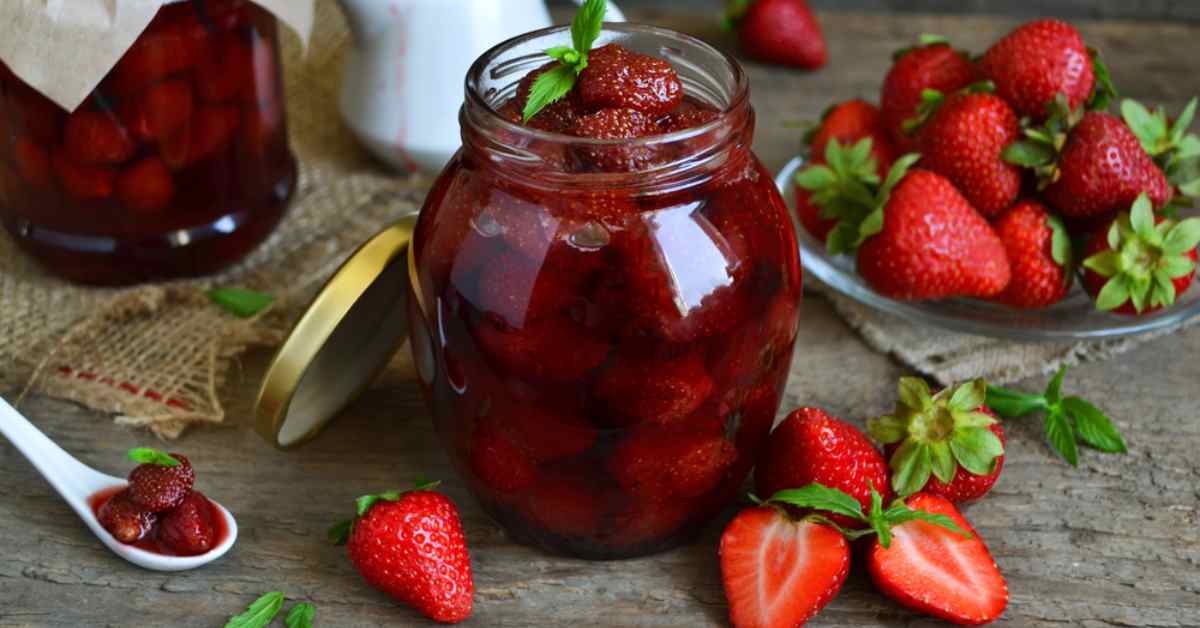
Last summer, my strawberry patch went absolutely wild. I’m talking buckets of berries every few days for three weeks straight. My neighbor Carol saw me hauling the fifth harvest basket to my kitchen and yelled over the fence, “What are you even going to do with all those?”
That’s when I made my first trifle. A proper layered dessert with sponge cake, homemade strawberry jam, custard, crushed shortbread, and more fresh strawberries than I could fit in the bowl. It was ridiculous. It was beautiful. And it disappeared in about 20 minutes when my kids got home.
Growing your own fruit changes how you think about desserts. When you’ve got more raspberries than you can eat fresh, more peaches than the fruit bowl can hold, or a surprise bumper crop of anything sweet—layered desserts become less of a fancy project and more of a practical solution.
This guide is about connecting your garden to your dessert bowl. We’re talking layers of fruits sponge and custard cookie jam—the kind of show-stopping dessert that uses up your harvest and makes you look like a pastry chef.
What Is a Layered fruit Dessert?

The basic idea goes back centuries. British trifles started appearing in cookbooks around the 1750s. Someone figured out that stale sponge cake soaked in sherry, topped with fruit and custard, was better than throwing the cake away.
Smart people, those Georgians.
The concept is simple. You build layers in a glass bowl or dish:
- Fruit (fresh from your garden or farm stand)
- Sponge cake (homemade or store-bought, no judgment)
- Custard (the creamy layer that holds everything together)
- Cookies or biscuits (for crunch)
- Jam (to add sweetness and bind the layers)
Each layer adds something different, texture, flavor and color. You repeat until the bowl is full, then let it sit in the fridge so everything melds together.
Why These Layers Actually Work
There’s real science here. The soft sponge absorbs liquid from the fruit and custard. The jam creates little pockets of intense sweetness. The cookies add crunch contrast—until they start to soften, which some people love and some people hate. (I like them halfway between crunchy and soft. About four hours in the fridge.)
Visually, it’s a stunner. Layers of red strawberries, yellow custard, golden sponge—you can see why these desserts became popular for dinner parties.
Growing and Choosing Fruits for Your Layered Dessert
Here’s where the gardening comes in.
The best trifles use the best fruit. And the best fruit is the stuff you grew yourself, picked at peak ripeness, and used the same day.
I know a guy named Marcus who runs a small orchard outside Portland. He makes trifles every summer using whatever’s coming off his trees that week. Stone fruit trifle in July. Apple trifle in September. He told me once that store-bought fruit “doesn’t have the same personality.” I thought that was a weird way to put it until I tasted the difference.
Best Fruits for Layered Desserts
Berries work great. Strawberries, raspberries, blueberries, blackberries. They’re soft enough to release juice into the sponge but hold their shape in the layers. If you’re growing berries, you already know they produce more than you can handle once they get going.
Stone fruits like peaches, nectarines, and plums need to be ripe but not mushy. Slice them thin. The juice they release is part of the dessert.
Tropical options work if you’re in the right climate or buying from local growers. Mango and passionfruit add amazing flavor. A grower I know in South Florida uses her backyard mango crop for trifles every August.
The classics still work. Bananas layer well. Kiwis add color. Even grapes, cut in half, can work in a pinch.
Seasonal Timing
In the UK, strawberry season runs May through July. Stone fruits peak in August. Late summer brings blackberries.
In the US, it varies by region. California gets earlier stone fruits. The Midwest has a shorter but intense berry season. The South can grow later into fall.
Australia flips the calendar. Their Christmas trifles feature summer fruits—mangoes, cherries, and passionfruit while the Northern Hemisphere is in winter.
REMEMBER: use what’s ripe when it’s ripe. That’s when flavor peaks.
Making the Sponge Layer
You’ve got options here.
Victoria sponge is the traditional British choice. Equal parts butter, sugar, eggs, and flour. It’s tender and absorbs liquid well.
Genoise is lighter. It uses whipped eggs for structure instead of chemical leaveners. Italian and French pastry chefs prefer it.
Chiffon adds oil for moisture. Good choice if your sponge will sit overnight.
Store-bought pound cake works fine. Seriously. I’ve used grocery store pound cake when I didn’t have time to bake. Nobody complained.
Preparing Sponge for Layering
Cut it into cubes or slices. About one-inch pieces work well.
Some recipes call for soaking the sponge in sherry, rum, or fruit juice. This adds flavor and helps everything stick together. If you’re making this for kids, skip the alcohol and use the juice from your fruit or a simple syrup.
The sponge should be slightly dry before you layer it. Day-old cake absorbs better than fresh.
Custard: The Heart of the Whole Thing
Good custard takes patience. Bad custard has lumps or tastes like cornstarch.
The traditional method uses egg yolks, sugar, milk, and cream. You heat it slowly, stirring constantly, until it thickens enough to coat a spoon. Then you strain it to catch any bits that scrambled.
Temperature matters. Too hot and you get sweet scrambled eggs. Too cold and nothing thickens.
Easier Options
Cornflour-based custard (Bird’s custard in the UK) is simpler. Mix cornflour with cold milk, heat with sugar, and stir until thick. Less rich than egg custard but much more forgiving.
Instant custard powder exists. Some bakers use it. I’m not going to tell you not to.
Dairy-free versions can use coconut milk or oat milk. They set differently, so you might need a little extra cornflour.
Flavor Variations
Vanilla is traditional. Use real vanilla bean if you can afford it. The flecks look pretty in a clear glass bowl.
Chocolate custard works with berries. Add cocoa powder.
Citrus custard—lemon or orange zest—pairs well with tropical fruits.
Cookies and Jam: The Bonus Layers
These aren’t required, but they add a lot.
Cookies
Ladyfingers (sponge fingers) are traditional in tiramisu-style layered desserts. They soften nicely.
Shortbread adds buttery crunch. Crumble it into pieces.
Digestive biscuits are a British classic. They add texture and a slightly malty flavor.
Amaretti cookies bring an almond note that works great with stone fruits.
Jam
Jam isn’t just for toast. In layered desserts, it spreads between the sponge and fruit to add sweetness and help everything stick.
Strawberry is classic.
Raspberry works with almost any fruit combination.
Apricot is more subtle—good with peaches or tropical fruits.
Homemade jam from your own fruit? Even better. Lower sugar jam (less than 50% sugar) tastes more like fruit but doesn’t keep as long.
Putting It All Together
You need a clear glass bowl. Part of the point is seeing the layers.
Basic Order
- Start with jam spread on sponge pieces at the bottom
- Add a fruit layer
- Pour custard over
- Add more sponge
- More fruit
- More custard
- Top with whipped cream, more fruit, cookie crumbles, or all three
Tips From Experience
Work clean. Wipe the inside of the bowl between layers if custard or jam smears the glass.
Let it rest. Four hours minimum. Overnight is better. The flavors need time to come together.
Don’t over-soak. If your sponge is swimming in liquid, the whole thing turns to mush.
Regional Styles
British trifles traditionally include sherry. The fruit is often macerated (soaked in sugar or alcohol). Whipped cream tops everything.
American versions lean toward banana pudding style. Think Nilla wafers, sliced bananas, and vanilla pudding. Less boozy. More nostalgic.
Australian trifles go tropical. Mango, passionfruit, and pavlova-adjacent flavors. They serve them at Christmas—their summer—which seems weird to those of us who associate trifle with cold weather.
Why Gardeners Make the Best Trifles
This dessert rewards quality ingredients. And nobody has access to better ingredients than someone who grows their own.
That strawberry patch that overwhelmed me? I turned half into jam, layered the rest fresh, and made a dessert my family still talks about.
Next time your garden gives you more fruit than you can eat, don’t panic. Grab a glass bowl and start layering.