
A few years back, my friend Lisa from our community garden in Seattle called me in frustration. She had just spent $6 on a tiny bunch of bok choy at the grocery store. Six dollars for something she could eat in one stir-fry.
“There has to be a better way,” she said.
I walked her through planting her first bok choy seeds that weekend. Six weeks later, she harvested enough to fill her refrigerator. Total cost? About 50 cents for a seed packet that still had seeds left over.
Many gardeners shy away from growing Asian vegetables. They think these crops need special skills or exotic conditions. The truth is that bok choy is one of the easiest cool-season crops you can grow. It thrives in conditions that would cause other vegetables to struggle.
Learning how to grow bok choy opens the door to fresh, nutrient-dense greens that cost a lot at stores but grow simply at home. This vegetable grows quickly, handles light frost, and works well in both garden beds and containers.
This guide covers everything you need to grow bok choy successfully. You’ll learn about varieties, soil prep, planting steps, pest control, and harvesting tips.
Let’s get growing.
Understanding Bok Choy: Varieties and Basics
What Is Bok Choy?
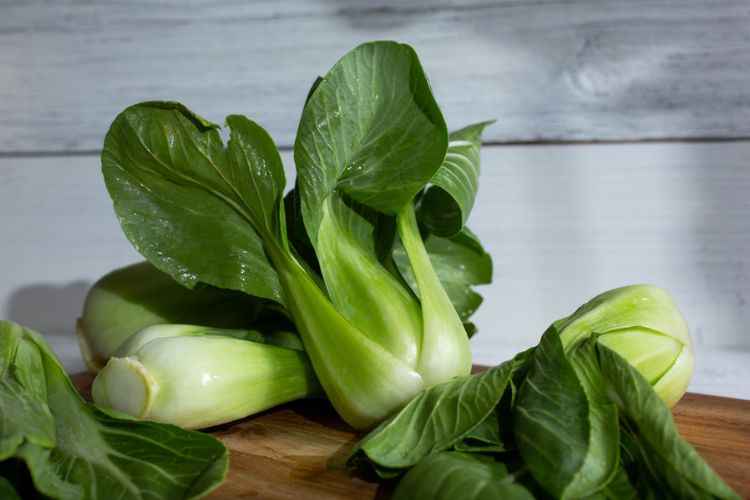
Bok choy belongs to the Brassica family. That makes it a cousin to cabbage, broccoli, and kale. You might also hear it called pak choi, Chinese cabbage, or white cabbage.
This vegetable has been a staple in Asian cooking for centuries. The crisp white stalks and tender green leaves work in stir-fries, soups, salads, and steamed dishes.
From a nutrition standpoint, bok choy delivers vitamins A, C, and K plus calcium. One cup of cooked bok choy gives you more than your daily vitamin A needs.
Popular Bok Choy Varieties for Home Gardens
Not all bok choy is the same. Different varieties work better for different situations.
Standard Bok Choy (Shanghai Green): The most common type. Plants grow 12-18 inches tall. Takes about 45-60 days to mature.
Baby Bok Choy: Compact plants ready in just 30-35 days. Great for small gardens.
Dwarf Bok Choy (Mei Qing Choi): Perfect for containers. This variety resists bolting better than most.
Joi Choi: A heat-tolerant hybrid. If you live somewhere warm, this one handles the heat without bolting early.
Tatsoi: A rosette-forming relative that handles cold weather well. Good choice for fall and winter gardens.
Choosing the Right Variety for Your Situation
Here’s my simple guide for picking varieties:
- Small spaces or containers: Baby Bok Choy or Mei Qing Choi
- Hot climates: Joi Choi
- Cold climates or fall planting: Tatsoi or standard varieties
- Want fast results: Baby varieties (30-35 days)
- First time growing: Bolt-resistant hybrids
A gardener I know in Phoenix struggled with bok choy for two seasons before switching to Joi Choi. The difference was night and day. That variety handled his warm springs without immediately going to seed.
Ideal Growing Conditions for Bok Choy
Climate and Temperature Requirements
Bok choy loves cool weather. The ideal temperature range is 55-70°F (13-21°C).
Here’s the good news: bok choy tolerates light frost down to about 26°F (-3°C). A touch of frost actually sweetens the flavor.
The bad news: temperatures above 75°F (24°C) trigger bolting. When bok choy bolts, it sends up a flower stalk and the leaves turn bitter. Game over.
This makes bok choy a spring and fall crop in most areas. Gardeners in zones 9-11 can grow it through winter. Those in cool coastal areas like the Pacific Northwest or Northern California can sometimes grow it into summer.
Sunlight Requirements
Bok choy does best with 6-8 hours of sun daily. But here’s something many guides don’t mention: partial shade is fine.
In fact, if you live in a warmer climate, afternoon shade actually helps. It keeps plants cooler and reduces bolting risk.
I’ve grown successful bok choy with just 4 hours of morning sun in a partly shaded bed. The plants grew a bit slower but tasted great.
Signs your bok choy needs more light:
- Stretched, leggy stems
- Pale leaves
- Slow growth
- Floppy plants
Soil Preparation and Requirements
Bok choy wants rich, well-draining soil with a pH between 6.0 and 7.5.
Before planting, work 2-3 inches of compost into your soil. This feeds the plants and improves drainage at the same time.
Avoid heavy clay soils that stay waterlogged. Bok choy roots rot quickly in soggy conditions.
Raised beds work great for bok choy because you control the soil mix. I’ve seen beautiful bok choy growing in 6-inch deep raised beds across gardens from Minnesota to Texas.
Spacing and Garden Layout
Standard bok choy: Space plants 6-12 inches apart with 18-24 inches between rows.
Baby bok choy: Space 4-6 inches apart.
If you use square foot gardening, you can fit 4 baby bok choy plants or 1 standard plant per square foot.
Bok choy grows well alongside lettuce, spinach, and other greens. Avoid planting near other brassicas if you’ve had pest problems, since pests spread between related crops.
When to Plant Bok Choy
Best Planting Times by Season
Spring planting: Start seeds indoors 4-6 weeks before your last frost date. Transplant seedlings outside 2 weeks before the last frost.
Fall planting: This is actually the better season for bok choy. Plant 6-8 weeks before your first expected frost. Cooling temperatures reduce bolting risk, and light frosts improve flavor.
I tell new bok choy growers to start with fall planting. You’ll have better success with less stress.
Succession planting: For a continuous harvest, plant new seeds every 2-3 weeks. This staggers your harvest so you’re not drowning in bok choy all at once.
Regional Planting Calendars
Northern climates (zones 3-5): Plant spring crops in April. Fall crops in August.
Temperate climates (zones 6-7): Spring planting March-April. Fall planting August-September.
Southern climates (zones 8-10): Focus on fall through early spring. Summer is too hot.
Pacific Northwest: You can grow bok choy almost year-round. Lucky you.
Desert Southwest: Winter is your season. Plant October through February.
Understanding Bolting and How to Prevent It
Bolting is the number one bok choy problem. When plants bolt, they send up a flower stalk. The leaves turn bitter and tough.
What triggers bolting:
- Prolonged heat above 75°F
- Long days (over 14 hours of daylight)
- Stress from inconsistent watering
- Transplant shock
How to prevent bolting:
- Plant at the right time for your climate
- Choose bolt-resistant varieties
- Keep soil consistently moist
- Use mulch to keep roots cool
- Provide afternoon shade in warm weather
A gardener in Sacramento told me she lost three rounds of spring bok choy to bolting before switching to fall planting exclusively. “I fought nature and lost,” she laughed. “Now I work with the seasons instead.”
If your bok choy starts bolting, harvest immediately. The younger leaves are still edible. You can also eat the flower stalks before they fully open.
How to Grow Bok Choy from Seed
Starting Seeds Indoors
Start seeds indoors 4-6 weeks before you plan to transplant outside.
Steps:
- Fill seed trays with seed starting mix
- Plant seeds ¼ inch deep
- Keep soil temperature between 50-80°F
- Water gently to keep soil moist
- Seeds sprout in 4-8 days
- Provide 12-16 hours of light daily once sprouts appear
- Thin to one seedling per cell
Bok choy seeds germinate quickly. You’ll see green shoots within a week under good conditions.
Direct Sowing Outdoors
You can also plant seeds directly in the garden. This works well for fall crops.
Steps:
- Wait until soil temperature reaches at least 40°F
- Sow seeds ¼ inch deep
- Space seeds about 1 inch apart
- Keep soil moist until germination
- Thin seedlings to final spacing once they have 2-3 leaves
Direct sowing skips the transplant shock that sometimes triggers bolting. It’s simpler but uses more seeds since you thin the extras.
Cover newly planted areas with row cover to protect seeds from birds and pests.
Transplanting Seedlings Successfully
The hardening off process is key for transplants.
About 7-10 days before transplanting, start moving seedlings outside for a few hours each day. Gradually increase outdoor time. This toughens them up for garden conditions.
Transplant when seedlings have 4-5 true leaves. Plant at the same depth they were growing in their containers. Water immediately after planting.
If the weather is warm or sunny, provide temporary shade for the first few days. A piece of cardboard propped on the sunny side works fine.
How to Grow Bok Choy in Containers
Container Selection and Setup
Bok choy grows beautifully in containers. This is great news for apartment gardeners and folks with limited space.
Minimum container size:
- 8 inches deep
- 12 inches wide for baby varieties
- 18+ inches wide for standard varieties
Drainage holes are a must. Bok choy hates wet feet.
Use quality potting mix, not garden soil. Garden soil compacts in containers and drains poorly.
You can grow 2-3 baby bok choy plants in a 12-inch pot or one standard plant.
Container Growing Care Tips
Container plants need more attention than garden plants.
Watering: Check daily. Containers dry out faster than garden beds, especially in warm weather.
Fertilizing: Potting mix has limited nutrients. Feed every 2-3 weeks with a balanced liquid fertilizer.
Positioning: Move containers to catch morning sun while avoiding hot afternoon exposure.
The beauty of containers is mobility. If a heat wave hits, you can move your bok choy to a shadier spot.
Best Varieties for Container Growing
Stick with compact varieties for containers:
- Baby Bok Choy
- Mei Qing Choi
- Toy Choi (miniature variety, very fast)
- Shanghai Green (works in larger containers)
Avoid full-size varieties in anything smaller than a 5-gallon container.
Watering and Fertilizing Bok Choy
Proper Watering Techniques
Consistent moisture is the secret to tender, mild-flavored bok choy. Aim for 1-2 inches of water per week.
Inconsistent watering causes stress. Stressed plants bolt faster and develop bitter flavor.
Water deeply rather than shallowly. Deep watering encourages roots to grow down where moisture is more stable.
Morning watering works best. Wet leaves at night invite disease.
Signs of watering problems:
- Overwatering: Yellow leaves, wilting despite wet soil, root rot
- Underwatering: Wilting, slow growth, tough leaves
Mulching for Moisture Retention
Mulch is your friend for bok choy growing.
Apply 2-3 inches of organic mulch around plants. Straw, shredded leaves, or grass clippings all work. Keep mulch an inch away from stems to prevent rot.
Mulch does three things:
- Holds moisture in the soil
- Keeps roots cool in warm weather
- Suppresses weeds
In my experience, mulched bok choy outperforms unmulched bok choy every time.
Fertilization Schedule and Methods
Bok choy is a leafy green, so it needs nitrogen for good growth.
Before planting: Work compost into the soil.
During growth: Side-dress with balanced fertilizer (like 10-10-10) every 3-4 weeks. Or use organic options like fish emulsion or compost tea.
Don’t overdo it. Too much nitrogen can cause soft, disease-prone growth.
Common Bok Choy Pests and How to Control Them
Flea Beetles
These tiny jumping beetles chew small holes through leaves. Heavy infestations make leaves look like they’ve been hit with tiny shotgun pellets.
Control methods:
- Row covers are your best defense
- Diatomaceous earth around plants
- Neem oil spray
- Yellow sticky traps for monitoring
Aphids
Aphids cluster on the undersides of leaves. They suck plant sap and leave behind sticky honeydew.
Control methods:
- Blast them off with water spray
- Apply insecticidal soap
- Release ladybugs and lacewings
- Remove heavily infested leaves
Cabbage Worms and Loopers
Green caterpillars that chew large holes in leaves. You’ll often see white butterflies flying around your plants before damage appears.
Control methods:
- Row covers to keep butterflies out
- Handpick caterpillars daily
- Bacillus thuringiensis (Bt) spray
- Check undersides of leaves regularly
Slugs and Snails
These nighttime feeders leave slime trails and irregular holes.
Control methods:
- Beer traps
- Copper tape barriers
- Diatomaceous earth
- Remove hiding spots like boards and debris
- Hand pick at night with a flashlight
A gardener in Portland told me she reduced slug damage by 90% just by clearing debris from around her beds and using copper tape. Simple fixes often work best.
Bok Choy Diseases and Prevention
Downy Mildew
Look for yellow patches on top of leaves with fuzzy gray growth underneath. This fungal disease loves cool, wet conditions.
Prevention:
- Space plants for good air circulation
- Avoid overhead watering
- Remove infected leaves quickly
- Choose resistant varieties
Clubroot
This soil-borne disease causes stunted growth and swollen, distorted roots. Once clubroot infects your soil, it can persist for 20 years.
Prevention:
- Rotate crops (don’t plant brassicas in the same spot)
- Raise soil pH above 7.0
- Buy disease-free transplants
- There’s no cure once established
Black Rot
V-shaped yellow lesions on leaf edges signal black rot. This bacterial disease spreads through water and insects.
Prevention:
- Start with clean seeds and transplants
- Don’t work with wet plants
- Remove infected plants immediately
- Rotate crops on a 3-year cycle
Harvesting Bok Choy for Best Results
When to Harvest Bok Choy
Baby bok choy: Ready in 30-35 days. Harvest when plants are 4-6 inches tall.
Standard bok choy: Ready in 45-60 days. Harvest when plants reach 12-18 inches.
Don’t wait too long. Overmature bok choy turns tough and bitter. Harvest before any flower stalks appear.
Morning harvest gives you the crispest, best-quality greens.
Harvesting Techniques
Whole plant harvest: Cut the entire plant at soil level with a sharp knife.
Cut-and-come-again: Harvest outer leaves only, leaving the center to keep growing. You can get 2-3 harvests this way.
Clean cuts heal faster and reduce disease risk. Use sharp tools.
Does Bok Choy Regrow After Cutting?
If you cut the whole plant at the base, it won’t regrow.
But if you use the cut-and-come-again method and leave the central growing point intact, the plant will produce new leaves. Quality decreases with each harvest, so don’t expect the third picking to match the first.
Storing and Using Fresh Bok Choy
Short-Term Storage
Fresh bok choy lasts 5-7 days in the refrigerator.
For best results:
- Don’t wash until ready to use
- Wrap loosely in a plastic bag with a paper towel
- Store in the crisper drawer
- Keep away from apples, bananas, and other ethylene producers
Long-Term Preservation
Freezing works for cooked dishes but changes the texture.
To freeze:
- Blanch small leaves for 2 minutes
- Plunge into ice water immediately
- Drain and pat dry
- Pack into freezer bags
- Freeze for up to 12 months
Frozen bok choy works for stir-fries and soups but not fresh salads.
Cooking Ideas
- Stir-fry: The classic preparation. High heat, quick cooking.
- Soups: Add chopped bok choy to ramen, miso soup, or chicken broth.
- Steamed: Simple side dish with garlic and soy sauce.
- Raw: Baby bok choy works in salads.
- Grilled: Halve lengthwise, brush with oil, grill until charred.
Troubleshooting Common Bok Choy Problems
Why Is My Bok Choy Bolting?
Heat stress is the main cause. Once temperatures stay above 75°F, bolting becomes likely.
Other triggers include transplant shock, inconsistent watering, and long days.
Solutions:
- Plant at the right time
- Use shade cloth
- Choose bolt-resistant varieties
- Keep watering consistent
If bolting starts, harvest immediately.
Why Are the Leaves Turning Yellow?
Several possible causes:
- Nitrogen deficiency: Feed with nitrogen-rich fertilizer
- Overwatering: Improve drainage, water less often
- Underwatering: Water more consistently
- Normal aging: Outer leaves naturally yellow with age
Check roots for rot if plants seem waterlogged.
Why Is My Bok Choy Bitter?
Bitter bok choy usually means stress:
- Heat exposure
- Inconsistent watering
- Bolting
- Overmature harvest
Prevention is the cure. Grow during cool weather, water consistently, and harvest on time.
Why Is Growth Slow or Stunted?
Check for:
- Compacted soil limiting root growth
- Nutrient deficiency
- Overcrowding
- Temperature extremes
- Pest or disease damage
- Root damage from rough transplanting
Fix the underlying problem and growth should improve.
Lisa, my friend from the beginning of this article, has now grown bok choy for four seasons. She saves hundreds of dollars a year and eats fresher greens than any store could provide.
“I can’t believe I ever thought this was hard,” she told me last fall, showing off a container of perfect baby bok choy on her apartment balcony.
It’s really not hard. Bok choy wants to grow. Give it cool weather, consistent water, and decent soil. The plant does the rest.
Start with one variety. Learn its rhythm. Expand from there.
Your first stir-fry with homegrown bok choy will make it all worth it.