
My neighbor Tom grew garlic for three years before he figured out what he was doing wrong. His bulbs were always disappointing—small, with thin papery wrappers that fell apart. He’d plant beautiful cloves and harvest what he called “garlic for ants.”
Then he got his soil tested.
His garden had plenty of potassium and phosphorus. What it lacked was nitrogen—and he wasn’t adding any. Worse, he was fertilizing in June, right when garlic should be left alone to form bulbs.
The next year, Tom amended his beds with compost before planting. He side-dressed with blood meal in early spring. He stopped fertilizing by mid-May. His garlic bulbs came out twice the size of anything he’d grown before.
Finding the best fertilizers for garlic isn’t complicated. But timing matters as much as the product you choose. Garlic has a strange growing cycle—planted in fall, harvested in summer—and its nutritional needs change throughout that long journey.
Let me walk you through what garlic actually needs and when it needs it.
Understanding Garlic’s Nutritional Needs
Why Garlic Is a Heavy Feeder
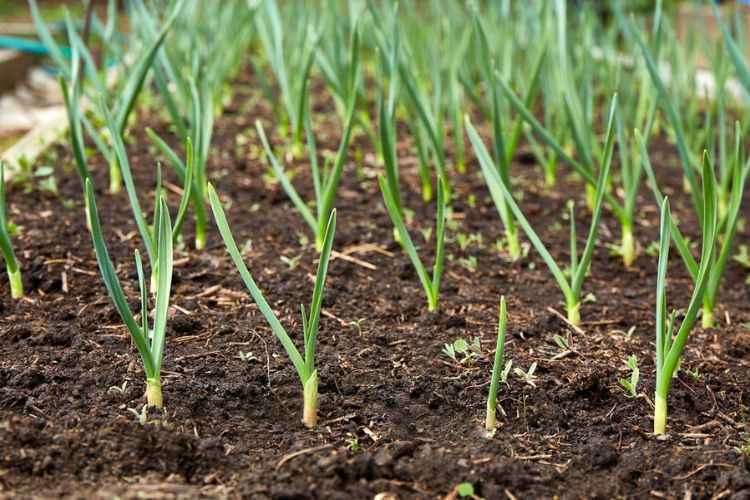
Garlic is in the ground for eight or nine months. That’s a long time compared to most vegetables. A tomato goes from transplant to harvest in maybe three months. Garlic takes nearly three times as long.
During that time, garlic must develop an extensive root system, produce tall green leaves, and then redirect all that energy into forming an underground bulb. Each phase demands nutrients.
The long growing season depletes soil. By the time garlic is ready to form bulbs, the soil has been feeding those plants for months. Without proper fertilization, there’s simply not enough nutrition left when it matters most.
Agricultural research shows properly fertilized garlic produces bulbs up to 40% larger than unfertilized plants. That’s the difference between impressive heads you’re proud to share and tiny bulbs you’d rather forget.
Essential Nutrients for Garlic
Nitrogen (N): Drives the green leafy growth. Each leaf above ground corresponds to a wrapper layer on the bulb below. More leaves mean more wrappers, which means better storage. Nitrogen is most important in early growth.
Phosphorus (P): Supports root development and helps transfer energy throughout the plant. Strong roots in fall mean vigorous growth in spring.
Potassium (K): Aids bulb formation and disease resistance. Becomes more important as garlic shifts from growing leaves to sizing up bulbs.
Sulfur: Often overlooked but very important for garlic specifically. Sulfur creates that pungent garlic flavor we want. Without enough sulfur, garlic tastes weak.
Calcium and Magnesium: Support cell structure and chlorophyll production. Usually available in most soils but worth checking.
Understanding NPK Ratios
Fertilizer labels show three numbers—like 10-10-10 or 5-10-5. These represent nitrogen-phosphorus-potassium in that order.
Early growth (fall and early spring): Use balanced fertilizers like 10-10-10 or 5-5-5. Garlic needs everything during this phase.
Bulb formation (late spring): Switch to lower nitrogen formulas like 5-10-10 or 0-10-10. Too much nitrogen now causes problems—soft bulbs that don’t store well.
This shift in ratios is something many gardeners miss. They keep piling on nitrogen all season, then wonder why their bulbs are small or split.
Soil pH Matters
Garlic grows best in soil with pH between 6.0 and 7.0. If your soil is too acidic or too alkaline, nutrients get “locked up.” They’re present in the soil but unavailable to plants.
You can add perfect fertilizer to bad pH soil and see no results. Get a soil test before you spend money on amendments. Local extension offices offer inexpensive testing, or you can buy home test kits.
Best Organic Fertilizers for Garlic
Compost: The Foundation
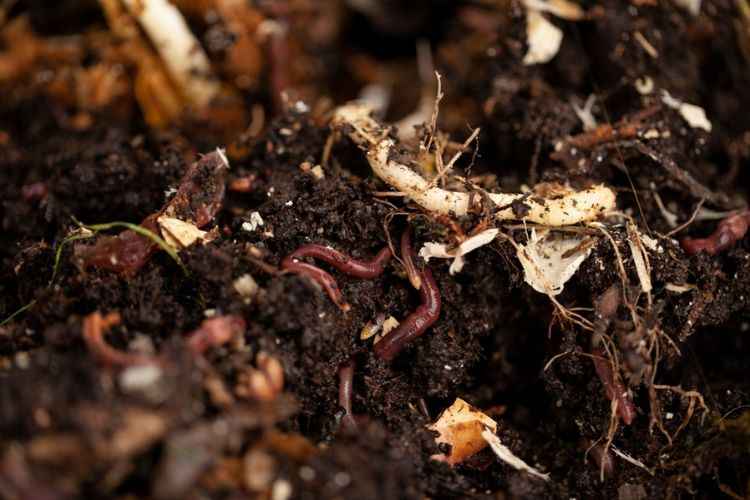
If I could only recommend one thing for garlic, it would be compost. Work 2-4 inches into your bed before planting in fall.
Compost provides slow-release nutrients throughout the season. It improves soil structure. It adds beneficial microorganisms that help plants access nutrients.
My friend Ellen makes her own compost and applies it twice—once before planting in October, then as a side-dressing when growth resumes in March. Her garlic consistently wins ribbons at the county fair.
Well-Rotted Manure
Aged manure is excellent for garlic. Chicken manure runs hot—high in nitrogen—so use it sparingly. Cow and horse manure are more balanced.
The key word is “aged” or “well-rotted.” Fresh manure will burn your plants. It also contains pathogens and weed seeds. Manure should be composted for at least six months, preferably a year. If it still smells strongly, it’s not ready.
Apply aged manure in fall before planting. Mix it into the soil rather than leaving it on top.
Blood Meal for Nitrogen
Blood meal is fast-acting organic nitrogen. NPK runs around 12-0-0—almost pure nitrogen.
Apply blood meal in early spring when garlic starts growing actively. Work a light application into the soil surface around plants. Don’t overdo it—blood meal is concentrated and can burn.
Stop using blood meal by late spring. You don’t want nitrogen pushing leaf growth when the plant should be focusing on bulbs.
Bone Meal for Phosphorus
Bone meal provides slow-release phosphorus—around 3-15-0. It supports root and bulb development.
Apply bone meal at planting time. Mix it into the planting hole or throughout the bed. It releases slowly, feeding roots all season.
Fall-planted garlic particularly benefits from bone meal. Those roots are developing during fall and winter, and phosphorus supports that process.
Fish Emulsion and Fish Meal
Fish products are organic gardening favorites.
Fish emulsion is liquid and fast-acting. NPK around 5-2-2. Good for foliar feeding or quick soil applications. Strong smell, but it fades.
Fish meal is granular and slower-release. NPK around 10-6-2. Work into soil for sustained feeding.
Apply every 2-3 weeks during active spring growth. Stop by late spring when bulbing begins.
Kelp and Seaweed
Kelp provides trace minerals and natural growth hormones. It’s not a primary fertilizer—the NPK is minimal—but it supplements well.
Mix kelp meal into soil or use liquid kelp as foliar spray. It strengthens plants against stress and improves overall health. Many gardeners combine kelp with fish emulsion for a complete feeding.
Best Synthetic Fertilizers for Garlic
Balanced Granular Fertilizers
A standard 10-10-10 granular fertilizer works well for garlic’s early growth phase. It’s affordable, easy to find, and straightforward to apply.
Work into soil surface around plants in early spring. Water after applying. Follow package directions for amount.
The balanced formula covers all bases during the vegetative growth phase.
High-Phosphorus for Bulbing
Switch to formulas like 5-10-10 or 0-10-10 as garlic approaches bulb formation—usually around May, depending on your zone.
These formulas reduce nitrogen (which you don’t want pushing leaf growth now) while supplying phosphorus and potassium for bulb development.
This switch is important. Many gardeners miss it and keep fertilizing the same way all season.
Slow-Release Options
Slow-release granular fertilizers like Osmocote feed for weeks or months. They’re convenient—fewer applications—and lower burn risk.
Apply at planting time or early spring. The coating controls release rate so plants get steady nutrition.
Good choice for gardeners who don’t want to fertilize repeatedly.
Water-Soluble Fertilizers
Products like Miracle-Gro dissolve in water for immediate availability. Apply through watering can or hose-end sprayer.
These work quickly for correcting deficiencies. But they wash through soil faster, requiring more frequent application—every 1-2 weeks during growth.
Sulfur-Containing Options
Sulfur affects garlic flavor. Ammonium sulfate provides nitrogen plus sulfur. Potassium sulfate provides potassium plus sulfur.
If your soil test shows low sulfur, or if your garlic tastes weak, consider adding sulfur-containing fertilizers. This is often overlooked but makes a noticeable difference in flavor.
When to Fertilize Garlic: The Schedule
Fall: At Planting Time
This is your most important fertilization window.
Work compost and amendments into beds 2-4 weeks before planting. Add bone meal for phosphorus to support fall root development. If your soil is low in nitrogen, add aged manure or a balanced fertilizer.
The goal is creating a fertile foundation. Garlic will root down through fall and winter, drawing on these nutrients.
Early Spring: First Growth
When green shoots emerge—usually March or April depending on your zone—apply nitrogen-rich fertilizer.
Blood meal, fish emulsion, or balanced 10-10-10 work well. Side-dress around plants, keeping fertilizer off stems. Water after applying.
This feeding supports rapid spring leaf growth. More leaves now mean more wrappers on your bulbs later.
Mid-Spring: Continued Growth
If growth seems slow or leaves look pale, apply another round of nitrogen 3-4 weeks after the first feeding.
Observe your plants. Dark green leaves with vigorous growth don’t need more. Pale, stunted plants are telling you something.
Fish emulsion or liquid fertilizers work well for quick mid-spring corrections.
Late Spring: Pre-Bulbing
By May in most zones, garlic is preparing to form bulbs. This is your last fertilization window.
Reduce or stop nitrogen. If you’re adding anything, use low-nitrogen, higher-phosphorus-and-potassium formulas.
Many experienced growers skip this application entirely. Too much fertilizer now causes problems.
When to Stop
Stop all fertilization 4-6 weeks before harvest. For most gardeners, this means stopping by late May or early June.
Garlic needs to mature naturally. Late feeding disrupts this process. Bulbs come out soft, poorly formed, and won’t store well.
Mark your calendar. It’s tempting to keep feeding when plants look healthy, but restraint is important at this stage.
How to Apply Fertilizer
Pre-Planting: Work Into Soil
Amendments added before planting should be mixed into the top 6-8 inches of soil. Don’t just spread on top—incorporate thoroughly.
Add compost, bone meal, and any granular fertilizers at this stage. Let the bed rest a couple weeks before planting if possible.
Side-Dressing: During Growth
Granular fertilizers applied to growing plants go alongside rows, not directly on stems.
Create a shallow furrow 2-3 inches from plants. Sprinkle fertilizer into the furrow. Cover lightly with soil. Water thoroughly.
This prevents fertilizer from touching stems, which can cause burn.
Liquid Feeding
Dilute according to package instructions. Apply to soil around plants using a watering can.
Morning application is best. Apply when soil is already moist—fertilizing dry soil can concentrate product and burn roots.
Foliar Feeding
Spray diluted liquid fertilizer directly on leaves. Fish emulsion and kelp work well for this.
Apply early morning or evening, never in hot sun. This method delivers nutrients quickly but shouldn’t replace soil feeding.
Know more about growing garlic How to Grow Garlic: Complete Guide from Clove to Harvest
Common Fertilizing Mistakes
Too Much Nitrogen
This is the number one garlic fertilizing mistake.
Excess nitrogen causes lush top growth but small bulbs. Bulbs that do form are soft and won’t store. The plant never properly shifts to bulb formation.
If your garlic has beautiful tall green leaves but disappointing bulbs, you’re probably overdoing nitrogen.
Fertilizing Too Late
Late-season nitrogen is particularly damaging. The plant needs to stop growing leaves and start forming bulbs. Nitrogen tells it to keep growing.
Stop fertilizing by late May in most zones. This feels wrong when plants are still green and growing, but it’s correct.
Ignoring Soil Testing
You don’t know what your soil needs without testing. Adding fertilizer blindly wastes money and can create imbalances.
Tom—my neighbor with the tiny garlic—didn’t need potassium. His soil had plenty. He was wasting money on balanced fertilizers when he specifically needed nitrogen.
Test your soil before the growing season. Adjust your approach based on results.
Fresh Manure
Fresh manure is too “hot.” It burns plants. It also contains pathogens and weed seeds.
Only use well-composted manure that’s aged at least 6-12 months. It should look and smell like dark soil, not like manure.
Fertilizer Burn
Granular fertilizer touching plant stems causes burn—brown, damaged tissue. Concentrated applications damage roots.
Always side-dress. Water after applying. Follow label rates. Smaller, more frequent applications are safer than heavy single doses.
Organic vs. Synthetic: Making the Choice
Both approaches work for garlic. The best choice depends on your goals and growing style.
Organic advantages: Builds soil health over time. Slow-release reduces burn risk. Many gardeners believe organic produces better-tasting garlic. Environmentally sustainable.
Organic drawbacks: Slower results. Harder to know exact nutrient amounts. Generally more expensive per nutrient. Bulkier to store and apply.
Synthetic advantages: Immediately available to plants. Precise nutrient ratios. Usually cheaper per nutrient. Quick corrections when problems appear.
Synthetic drawbacks: Doesn’t build soil biology. Easier to over-apply and burn plants. Environmental runoff concerns.
Many successful garlic growers combine approaches. They use compost as a foundation, then supplement with synthetic fertilizers for precision. This hybrid method captures benefits of both.
Signs Your Garlic Needs Fertilizer
Pale or yellow leaves: Usually nitrogen deficiency. Older leaves fade first. Apply blood meal or fish emulsion.
Purple tinting: Can indicate phosphorus deficiency, though cold weather also causes this. Usually resolves as soil warms.
Brown leaf tips: Could be potassium deficiency—or fertilizer burn, or overwatering. Consider recent practices before diagnosing.
Slow growth: General nutrient deficiency. Compost side-dressing helps. Soil test identifies specific needs.
Small bulbs at harvest: Could be many things, but inadequate fertility is common. Improve feeding for next year’s crop.
Conclusion
Tom grows excellent garlic now. He’s become something of an evangelist for soil testing. “You’re guessing without data,” he tells anyone who’ll listen.
He’s not wrong. Finding the best fertilizer for garlic is really about understanding your specific soil and timing your applications to match garlic’s growth phases.
Start with compost. Add nitrogen in early spring. Ease off by late spring. Stop completely by early summer.
That’s the rhythm. Get it right, and you’ll be braiding beautiful garlic by July.