
My grandmother kept a small leather notebook filled with her own handwritten notes about flowers. Each family member’s birthday was listed alongside their birth flower, complete with care instructions and symbolic meanings.
When my cousin got married in August, Grandma suggested incorporating gladiolus—his birth flower—into the ceremony. The florist had never heard of the tradition. But Grandma knew exactly what she was doing. Those tall, elegant stems stood at the altar, and suddenly the wedding felt deeply personal.
She taught me that every month has its own flower, just like birthstones. These birth flowers by month carry meanings passed down through centuries. Romans started the tradition. Victorians perfected it. And now, a new generation is rediscovering these beautiful symbols for tattoos, jewelry, gifts, and gardens.
Whether you want to grow your birth flower, give a meaningful gift, or simply learn what bloom represents your birthday, this guide covers all twelve months.
What Are Birth Flowers and Why Do They Matter?
The History Behind Birth Flowers
The tradition of birth flowers stretches back to ancient Rome. Romans gave birthday gifts of flowers to celebrate the person and the season. They believed the flowers blooming during your birth month held special meaning for your life.
During the Victorian era, this practice became an elaborate art form. The Victorians developed “floriography”—the language of flowers. They assigned detailed meanings to hundreds of blooms. Sending someone a specific flower communicated feelings that polite society wouldn’t allow them to speak aloud.
This coded flower language let people express love, friendship, jealousy, and even rejection through bouquets. Birth flowers became part of this system, connecting each month to specific blooms with distinct symbolism.
Birth Flowers vs. Birthstones
You probably know your birthstone—that gemstone tied to your birth month. Birth flowers work the same way, but with blooms instead of stones.
Most months have two flowers, giving you options. Some are traditional choices dating back centuries. Others were added more recently as flower cultivation expanded.
The key difference? You can grow your birth flower in your own garden. You can’t exactly mine your own ruby.
Why Birth Flowers Are Popular Again
Birth flower tattoos have exploded in popularity over the past few years. Pinterest searches for “birth flower tattoo” have grown substantially as people look for meaningful, personal tattoo designs.
Beyond tattoos, birth flowers appear in:
- Personalized jewelry
- Birthday gifts
- Wedding themes
- Memorial plantings
- Garden designs
People want meaning in what they buy and grow. Birth flowers provide that connection.
Complete List of Birth Flowers by Month
January Birth Flower: Carnation & Snowdrop
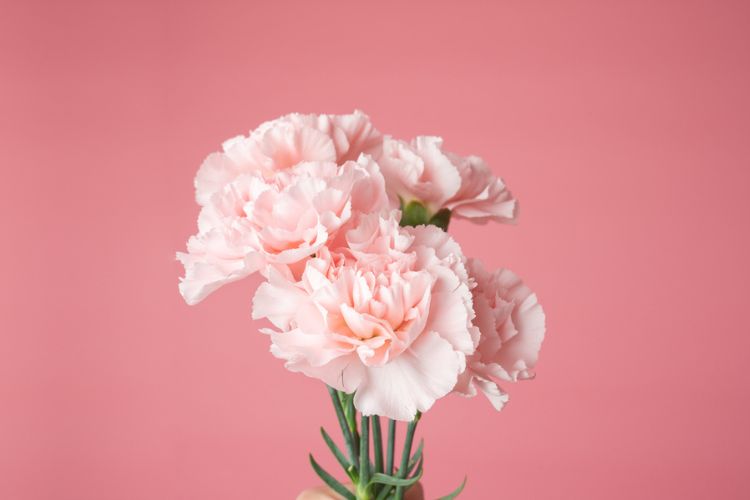
Carnation represents love, fascination, and distinction. These ruffled blooms come in nearly every color, and each shade carries its own meaning. Pink carnations express gratitude. Red symbolizes deep love. White represents pure love and good luck.
January-born people are said to be ambitious, hardworking, and loyal—traits reflected in the carnation’s long-lasting nature. These flowers hold up beautifully in vases, just as January babies tend to persevere.
Snowdrop is the secondary January flower. These delicate white bells push through frozen ground, often blooming while snow still covers the garden. They symbolize hope and new beginnings—fitting for the first month of a new year.
For gifts, a bouquet of mixed carnations makes a lasting impression. For gardeners, snowdrops naturalize beautifully under deciduous trees.
February Birth Flower: Violet & Primrose
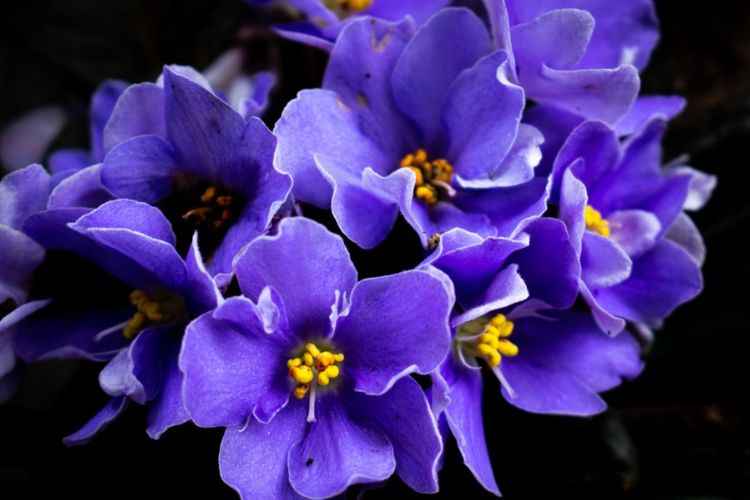
Violet symbolizes loyalty, faithfulness, and modesty. These small purple flowers have been cherished for thousands of years. Ancient Greeks believed violets promoted sleep and calmed anger.
February-born people are thought to be intuitive, compassionate, and creative. The violet’s humble beauty reflects these gentle qualities.
Primrose means young love and “I can’t live without you” in the Victorian flower language. These cheerful blooms appear in pink, yellow, red, and purple.
Violets grow wonderfully as groundcover in shaded gardens. Primroses brighten late-winter containers when little else is blooming.
March Birth Flower: Daffodil & Jonquil
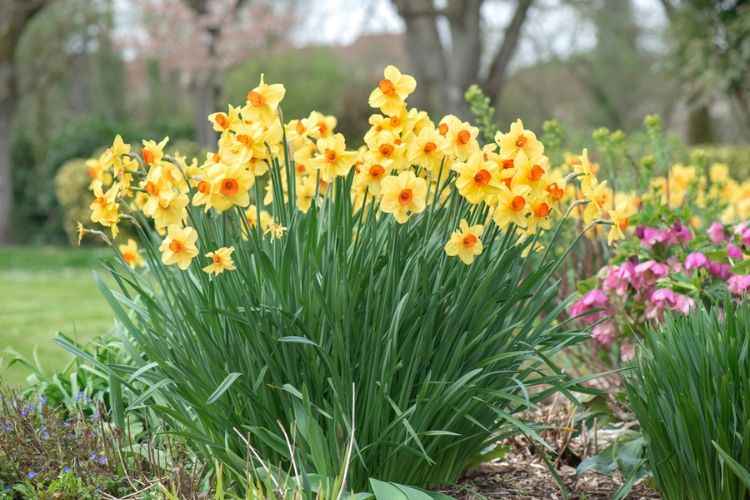
Daffodil represents rebirth, new beginnings, and happiness. Nothing announces spring quite like clusters of yellow daffodils pushing up through late-winter soil.
March babies are associated with optimism, creativity, and imagination. The daffodil’s bright trumpet shape seems to shout joy—much like people born this month.
Jonquil is technically a type of daffodil with a stronger fragrance and multiple blooms per stem. It symbolizes desire and sympathy.
Both flowers naturalize easily. Plant bulbs in fall, and they’ll return for decades. I have daffodils in my yard that came from bulbs my grandmother planted forty years ago.
April Birth Flower: Daisy & Sweet Pea
Daisy represents innocence, purity, and new beginnings. The classic white petals around a yellow center have symbolized childhood and simple pleasures for centuries.
April-born people are thought to be active, energetic, and youthful at heart. The daisy’s cheerful simplicity reflects this spirit.
Sweet pea symbolizes blissful pleasure, goodbye, and thank you for a lovely time. These delicate, fragrant flowers climb with curling tendrils and bloom in soft pastels.
Daisies grow almost anywhere with minimal care. Sweet peas need cool weather—plant seeds in early spring for best results.
May Birth Flower: Lily of the Valley & Hawthorn
Lily of the valley represents sweetness, humility, and a return to happiness. These tiny white bells cascade along arching stems with an intoxicating fragrance.
May babies are associated with wisdom, reliability, and charm. The lily of the valley’s elegant simplicity reflects sophisticated taste.
Hawthorn symbolizes hope and supreme happiness. This flowering tree produces clusters of white or pink blooms that attract pollinators.
A word of caution: lily of the valley is toxic if ingested. Beautiful in the garden, but keep it away from children and pets who might nibble.
June Birth Flower: Rose & Honeysuckle
Rose needs little introduction. The world’s most recognizable flower represents love in all its forms. Different colors carry different meanings—red for romantic love, pink for gratitude, yellow for friendship, white for purity.
June-born people are thought to be romantic, caring, and passionate. The rose’s combination of beauty and thorns reflects life’s balance of joy and challenge.
Honeysuckle symbolizes bonds of love and devotion. The sweet nectar in these tubular flowers attracted us all as children, pulling blossoms apart to taste the drop inside.
Roses require more care than many flowers, but the payoff is unmatched. Honeysuckle vines can take over if not managed—plant where you want abundant coverage.
July Birth Flower: Larkspur & Water Lily
Larkspur represents an open heart, strong bonds of love, and positivity. These tall spikes of blue, pink, purple, or white flowers add vertical drama to summer gardens.
July babies are associated with being strong, protective, and imaginative. Larkspur’s bold presence mirrors these commanding traits.
Water lily symbolizes purity of heart, enlightenment, and rebirth. Floating on still water, these elegant blooms have inspired artists for centuries.
Larkspur grows easily from seed sown in fall or early spring. Water lilies need a pond or large container water garden.
August Birth Flower: Gladiolus & Poppy
Gladiolus represents strength of character, faithfulness, and moral integrity. Named after the Latin word for sword, these tall flower spikes rise dramatically from summer beds.
August-born people are thought to be natural leaders with strong convictions. The gladiolus stands tall and proud—just like August babies.
Poppy symbolizes imagination, success, and peaceful sleep. Red poppies hold special significance as remembrance flowers for fallen soldiers.
Gladiolus grows from corms planted in spring. Dig them up before frost in cold climates. Poppies reseed themselves—once you have them, they return year after year.
September Birth Flower: Aster & Morning Glory
Aster represents wisdom, faith, and valor. These star-shaped flowers bloom in purple, pink, blue, and white as summer transitions to fall.
September babies are associated with being wise beyond their years, organized, and thoughtful. The aster’s late-season bloom reflects patience and perfect timing.
Morning glory symbolizes affection and love in vain. These climbing vines open fresh blooms each morning, closing by afternoon.
Asters attract late-season butterflies and bees. Morning glories need something to climb—a trellis, fence, or mailbox post.
October Birth Flower: Marigold & Cosmos
Marigold represents passion, creativity, and the desire to succeed. These bright orange and yellow flowers are garden workhorses, blooming from summer through frost.
October-born people are thought to be balanced, charming, and gracious. The marigold’s warm colors mirror autumn’s glow.
Cosmos symbolizes order, peace, and wholeness. These delicate flowers on tall stems sway beautifully in breezes.
Marigolds are among the easiest flowers to grow from seed. Cosmos plants appear delicate but are surprisingly tough.
November Birth Flower: Chrysanthemum
Chrysanthemum represents friendship, cheerfulness, and long life. These versatile flowers bloom in nearly every color and form, from simple daisies to complex football-shaped blooms.
November babies are associated with being loyal, unique, and ambitious. The chrysanthemum’s late-season blooming shows determination to thrive when others have faded.
In Asian cultures, chrysanthemums hold special significance for honoring ancestors and symbolizing longevity.
“Mums” are so popular for fall decorating that garden centers overflow with them each autumn. Plant them in the ground after enjoying them in containers—they often survive and return.
December Birth Flower: Narcissus & Holly
Narcissus represents good wishes, hope, and wealth. This category includes paperwhites and other small-flowered daffodil types with powerful fragrance.
December babies are thought to be optimistic, imaginative, and fun-loving. The narcissus brightens dark winter days with both bloom and scent.
Holly symbolizes protection, defense, and domestic happiness. The glossy evergreen leaves and red berries have long been associated with winter celebrations.
Force paperwhite narcissus bulbs indoors for winter blooms. Holly makes an excellent landscape shrub and provides berries for birds.
Birth Flower Meanings and Symbolism
How Flower Meanings Developed
Flower symbolism grew from multiple sources. Some meanings come from plant characteristics—thorny roses representing love’s complexity, persistent daisies representing innocence.
Other meanings stem from mythology. The narcissus is named for the Greek youth who fell in love with his own reflection. The hyacinth sprouted from the blood of a youth loved by Apollo.
Religious traditions added layers. Lilies represent purity in Christianity. Lotus flowers hold sacred meaning in Buddhism and Hinduism.
Colors Change Meanings
The same flower can carry different meanings based on color:
Roses:
- Red: Romantic love
- Pink: Gratitude, admiration
- Yellow: Friendship, joy
- White: Purity, new beginnings
Carnations:
- Red: Deep love, admiration
- Pink: Motherly love
- White: Pure love, luck
- Yellow: Disappointment, rejection
When choosing birth flower gifts, consider both the flower and its color.
Creative Ways to Use Your Birth Flower
Birth Flower Tattoos
Birth flower tattoos have become incredibly popular. People get their own birth flower, their children’s birth flowers, or flowers representing loved ones.
Designs range from simple line drawings to detailed botanical illustrations. Birth flower bouquets combine multiple months for family tributes.
Many people include birth flowers with other elements—moon phases, dates, names, or quotes.
Birth Flower Jewelry
Necklaces, rings, and bracelets featuring birth flower designs make meaningful gifts. Options include:
- Engraved or stamped metal pieces
- Pressed real flowers in resin
- Enamel designs
- Birthstone and birth flower combinations
Birth Flower Gardens
Plant your family’s birth flowers in a dedicated bed. This creates a garden with personal meaning that blooms in different seasons.
A friend of mine planted her children’s birth flowers—daffodils for March, roses for June, and asters for September—in three consecutive drifts. The garden tells a story throughout the growing season.
Birth Flower Gifts
For birthdays, Mother’s Day, or memorials:
- Fresh bouquets featuring birth flowers
- Potted birth flower plants
- Seeds for the recipient to grow
- Birth flower artwork or prints
Birth Flowers by Month Quick Reference
| Month | Primary Flower | Secondary Flower | Key Meaning |
|---|---|---|---|
| January | Carnation | Snowdrop | Love, Hope |
| February | Violet | Primrose | Loyalty, Young Love |
| March | Daffodil | Jonquil | Rebirth, Happiness |
| April | Daisy | Sweet Pea | Innocence, Pleasure |
| May | Lily of the Valley | Hawthorn | Sweetness, Hope |
| June | Rose | Honeysuckle | Love, Devotion |
| July | Larkspur | Water Lily | Open Heart, Purity |
| August | Gladiolus | Poppy | Strength, Imagination |
| September | Aster | Morning Glory | Wisdom, Affection |
| October | Marigold | Cosmos | Passion, Peace |
| November | Chrysanthemum | Peony | Friendship, Loyalty |
| December | Narcissus | Holly | Hope, Protection |
Final Thought
My grandmother’s notebook eventually came to me. The pages are brittle now, and her handwriting has faded. But I still reference it when planning gifts or adding to my garden.
There’s something special about growing the flower that matches your birthday—or your child’s, or your mother’s. It’s a connection to centuries of tradition and personal meaning.
Whether you’re looking for a tattoo design, a gift idea, or simply curious about the bloom that represents your birth month, these flowers carry stories worth knowing. Plant them, give them, wear them, or simply appreciate them.
They’re more than decoration. They’re symbols with roots that go back centuries—and meanings that still matter today.