
My grandmother couldn’t eat grapefruit anymore after she started blood pressure medication. Her doctor was very clear: no grapefruit, period. The interaction with her medicine was too risky.
She was devastated. Grapefruit had been her breakfast ritual for forty years.
“What am I supposed to eat instead?” she asked me. “Is there anything like grapefruit that won’t affect my pills?”
That question sent me down a rabbit hole of citrus research. What I discovered surprised me: grapefruit has a whole family of relatives. Some cause the same medication problems. Others don’t. Some taste similar. Others are sweeter or milder.
The citrus family includes over 100 species and thousands of cultivated varieties. Grapefruit is actually one of the youngest members—a natural hybrid that only appeared about 300 years ago. Understanding fruits related to grapefruit opens up options for people like my grandmother who need alternatives. It also reveals fascinating fruit for anyone wanting to expand their citrus horizons.
Let me walk you through grapefruit’s family tree.
Understanding Grapefruit’s Place in the Citrus Family
The Origin Story
Grapefruit wasn’t bred by scientists. It was an accident of nature.
Around 1750 in Barbados, a pomelo tree and a sweet orange tree grew close together. Bees did what bees do, and the result was a new hybrid: the grapefruit.
The locals first called it “forbidden fruit.” Later, someone noticed these new fruits grew in grape-like clusters on the tree. The name “grapefruit” stuck.
A French count named Odette Philippe brought grapefruit to Florida in 1823. The fruit found its perfect home in that warm, humid climate. Today, Florida grows more grapefruit than anywhere else in the world.
Interestingly, the word “grapefruit” likely comes from the Tamil word “chakotra” (pomelo) through Portuguese traders. Languages, like citrus, have their own complex family trees.
The Citrus Family Tree
All citrus descend from three ancient ancestors: citron, mandarin, and pomelo. Everything else—oranges, lemons, limes, grapefruit—came from crosses between these three.
Here’s where grapefruit fits:
- Pomelo crossed with mandarin created the sweet orange
- Pomelo crossed with sweet orange created grapefruit
This makes grapefruit about three-quarters pomelo. That explains its large size and thick pith.
The family tree gets complicated from there. Grapefruit has been crossed with tangerines to make tangelos. It’s been crossed with pomelo again to make sweeter varieties like oroblanco. Each cross creates new fruits with new characteristics.
Why This Matters
Knowing grapefruit’s relatives helps for several reasons:
Medication concerns: Some relatives cause the same drug interactions. Others don’t. Knowing which is which can keep you safe.
Flavor preferences: If grapefruit is too bitter for you, relatives like oroblanco or pomelo might suit your taste better.
Availability: When grapefruit is out of season, relatives might be available.
Growing possibilities: If you want to grow citrus at home, understanding the family helps you choose the right variety for your climate and taste.
Grapefruit’s Parent Fruits
Pomelo – The Giant Ancestor
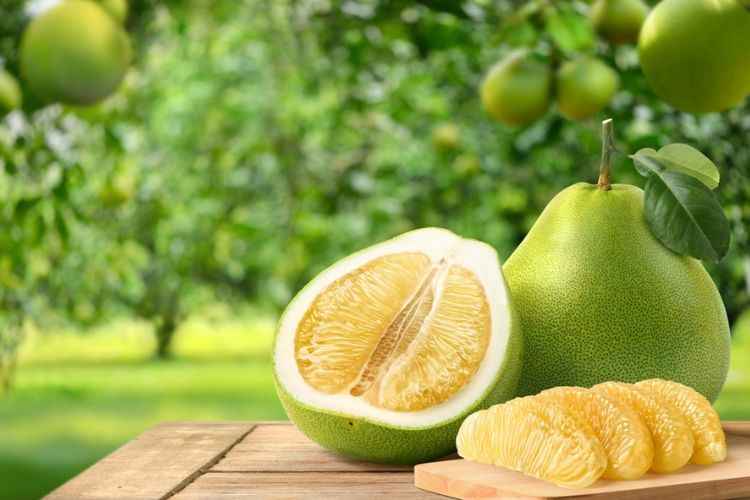
Pomelo is one of grapefruit’s two parents. If you’ve never seen one, prepare to be surprised—they’re huge. Some weigh up to 25 pounds. The smallest are still larger than the biggest grapefruit.
The pomelo is one of the three original citrus species. It evolved naturally in Southeast Asia, no hybridization required. Humans have cultivated it for thousands of years.
The flavor is sweeter and milder than grapefruit. Less bitter, less acidic. The flesh can be white, pink, or red depending on variety. The pith is extremely thick—sometimes two inches—and inedible, but the segments inside are worth the effort.
In Asian cultures, pomelo plays a role in celebrations. Chinese New Year often features pomelo as a symbol of good fortune.
For my grandmother, pomelo was NOT a safe alternative. It contains the same compounds that cause medication interactions. If you’re avoiding grapefruit for medical reasons, avoid pomelo too.
Sweet Orange – The Other Parent

Grapefruit’s other parent is the sweet orange. This is the orange you buy at any grocery store—Valencia, Navel, and similar varieties.
The sweet orange is itself a hybrid. Pomelo crossed with mandarin at some point in history, probably in ancient China. Humans then spread it worldwide.
Orange contributed sweetness to grapefruit’s flavor profile. Without it, grapefruit would probably taste even more bitter and pomelo-like.
Sweet oranges are safe for people avoiding grapefruit for medications. They don’t contain significant amounts of the problem compounds.
Mandarin – The Grandparent
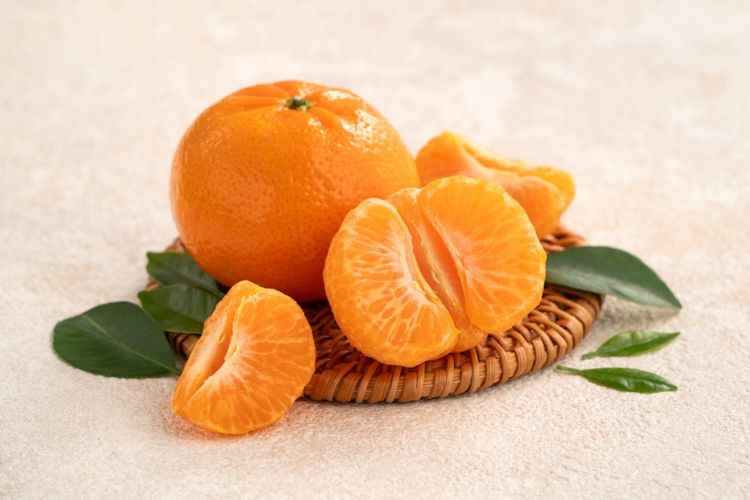
Mandarin is grapefruit’s grandparent through the orange side of the family.
Mandarins are one of the three ancestral citrus species. They’re smaller, sweeter, and easier to peel than grapefruit or oranges. The category includes tangerines, clementines, and satsumas.
If you like citrus but find grapefruit too intense, mandarins are a good family alternative. They’re safe for medication purposes and sweet enough for anyone.
Grapefruit Hybrid Varieties
Oroblanco – The Sweeter Grapefruit
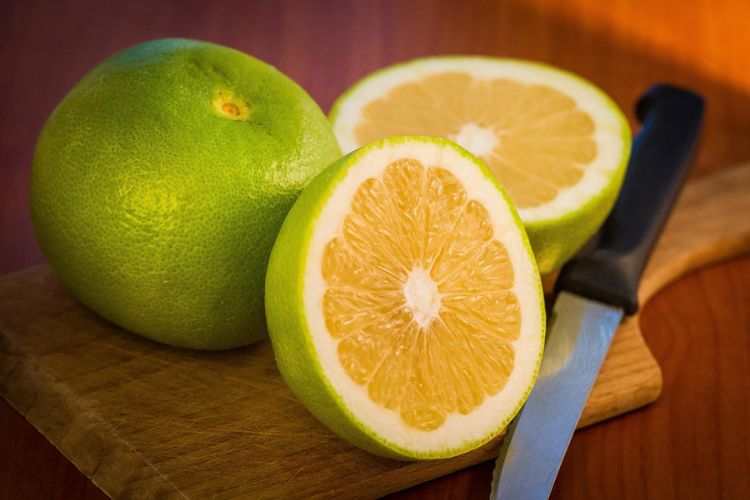
Scientists at UC Riverside created the oroblanco in 1958 by crossing pomelo with white grapefruit. They released it to the public in 1980.
The goal was simple: create something that tastes like grapefruit but without the intense bitterness.
They succeeded. Oroblanco is sweet with almost no bitter notes. The flesh is pale yellow-green. The rind is thick and yellow-green even when ripe. It’s seedless.
Some markets sell oroblanco as “sweetie.” If you’ve tried grapefruit and found it too sour or bitter, oroblanco might change your mind about this branch of the citrus family.
Fair warning: oroblanco still contains furanocoumarins, the compounds that cause medication interactions. It’s not a safe substitute for people avoiding grapefruit for medical reasons.
Melogold – The Oroblanco’s Sibling
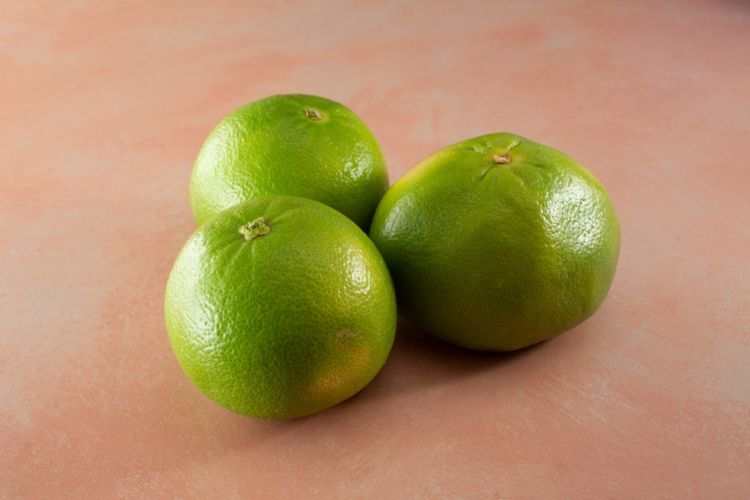
Melogold has the same parentage as oroblanco—pomelo crossed with white grapefruit—but it’s a different variety. Also developed at UC Riverside.
It’s slightly larger than oroblanco with a somewhat different flavor. Sweet with a touch more tartness. Limited commercial availability, but worth trying if you find it.
Same medication warning applies.
Tangelo – Grapefruit Meets Tangerine

Tangelos are hybrids of tangerine (or mandarin) and grapefruit or pomelo. Several varieties exist:
Minneola: Distinctive knob at the stem end. Looks like a bell. Sweet-tart flavor, very juicy.
Orlando: Milder and sweeter than Minneola.
Honeybell: Extremely juicy, harvested in January. Some people call it the best citrus fruit ever grown.
Tangelos are easier to peel than grapefruit. The tangerine genes come through. They’re popular in Florida, where they grow well.
For medications, tangelos are a gray area. They may contain some problematic compounds because of grapefruit heritage. If you’re concerned, consult your pharmacist.
Israeli Sweetie (Pomelit)
Developed in Israel, this pomelo-grapefruit hybrid is very low in bitterness. Sweet and mild. The skin stays green even when fully ripe, which confuses some shoppers.
Marketed internationally as “sweetie.” Similar to oroblanco but developed independently.
Same medication concerns apply—this is a grapefruit relative with similar compounds.
Citrus Cousins with Similar Characteristics
Ugli Fruit (Jamaican Tangelo)
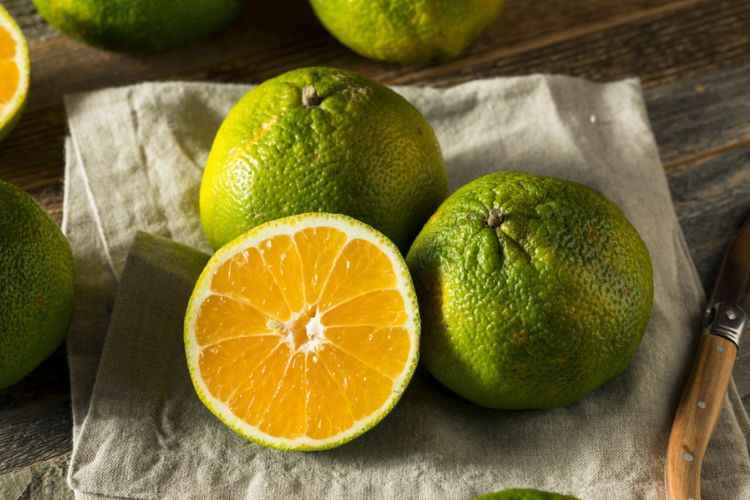
The name tells you what to expect visually. Ugli fruit looks rough—wrinkled, discolored, uneven. But ugly outside, beautiful inside.
This natural tangelo hybrid from Jamaica combines grapefruit or pomelo with tangerine. The flavor is sweet with complexity. Easier to peel than grapefruit.
Available during winter months, primarily from Jamaica. The name is actually trademarked as “UGLI” by the company that markets it.
Cocktail Grapefruit (Mandelo)
A mandarin-pomelo hybrid, the cocktail grapefruit is smaller than regular grapefruit but has a similar flavor profile. Sweeter, less bitter. Easy to peel and segment.
California growers developed this variety. You’ll find it at farmers markets and specialty stores more often than mainstream grocery stores.
Blood Orange – The Colorful Cousin

Blood oranges are sweet orange varieties with red flesh. The color comes from anthocyanins—the same pigments in blueberries and red grapes.
They’re related to grapefruit through the orange branch of the family tree. The flavor is different—sweet with berry notes—but they share some visual similarity with red grapefruit.
Blood oranges are safe for people avoiding grapefruit for medications.
Cara Cara Orange

This is a navel orange mutation with pink-red flesh inside. It looks a bit like Ruby Red grapefruit when you cut it open.
Very sweet, low acid, no bitterness. Safe for medication purposes since it’s an orange, not a grapefruit relative.
If you want pink citrus without the grapefruit complications, Cara Cara is an excellent choice.
Medication Interactions: Which Relatives Are Safe?
This matters a lot for many people. Grapefruit interacts with over 85 medications, including common drugs for blood pressure, cholesterol, and anxiety.
The problem compound is called furanocoumarin (specifically bergamottin). It inhibits an enzyme in your intestines that normally breaks down certain medications. Without that enzyme working properly, too much medication enters your bloodstream.
The effect lasts up to 72 hours. Even small amounts of grapefruit can cause problems.
Fruits That Cause Problems
Avoid these if avoiding grapefruit:
- Pomelo
- Tangelo (possibly—check with pharmacist)
- Oroblanco
- Sweetie
- Melogold
- Seville (bitter) orange
Anything with grapefruit or pomelo heritage is suspect.
Safe Alternatives
Generally safe:
- Sweet oranges (Navel, Valencia)
- Mandarins, tangerines, clementines
- Lemons
- Limes
- Blood oranges
- Cara Cara oranges
These don’t share the problematic compounds.
For my grandmother, I recommended mandarins and Cara Cara oranges. She missed the tangy complexity of grapefruit, but at least she had citrus at breakfast again.
Always confirm with your pharmacist. Drug interaction lists are constantly updated, and individual medications vary.
Where to Find Grapefruit’s Relatives
Grocery Stores
Regular grocery stores carry:
- Grapefruit (obviously)
- Oranges
- Mandarins and clementines
- Pomelo (often in Asian food sections)
- Tangelo (seasonally)
Specialty varieties like oroblanco or cocktail grapefruit are less common. Larger stores or those with strong produce sections might carry them.
Farmers Markets
Farmers markets are the best source for unusual citrus. Growers who specialize in citrus often bring varieties you’ll never see in chain stores.
California and Florida farmers markets during winter months are particularly good. That’s peak citrus season.
Online Retailers
Several companies ship citrus directly from groves. This is the best way to get rare varieties.
Prices are higher because of shipping perishable fruit. But if you want to try unusual grapefruit relatives, this may be your only option depending on where you live.
Growing Your Own
Citrus grows well in USDA zones 9-11. If you’re in that climate range, you can grow grapefruit relatives in your backyard.
Dwarf varieties work in containers. Even people in colder zones can grow citrus indoors with adequate light.
Grafted trees produce fruit faster—usually 3-5 years versus 6-10 from seed. Most citrus you buy as trees are grafted.
Pomelo, tangelo, and grapefruit all grow under similar conditions. If you can grow one, you can probably grow the others.
Culinary Uses
Fresh Eating
All grapefruit relatives work for fresh eating. Sweeter varieties like oroblanco need less added sugar (or none at all). Pomelo segments make elegant breakfast presentations.
Tangelo is exceptionally juicy and easy to peel—good for eating on the go.
Juicing
Pomelo juice is sweeter than grapefruit juice. Tangelo juice is possibly the best citrus juice I’ve ever tasted—sweet, complex, and intensely fruity.
Note: Juice still causes medication interactions if the fruit itself does. Juicing doesn’t remove the problematic compounds.
Salads
Southeast Asian cuisine uses pomelo in salads. The segments hold up well mixed with fish sauce, lime, chili, and herbs. This is a completely different flavor experience from Western grapefruit preparations.
Any grapefruit relative works in citrus-based salads. The sweeter ones need less balancing with other ingredients.
Desserts and Preserves
Pomelo has thick pith that candies beautifully. Marmalade from pomelo is milder than grapefruit marmalade—less bitter, more approachable.
Citrus curd, tarts, and cakes work with any variety. Adjust sugar based on how sweet your fruit is.
Final Thought
After all my research, I brought my grandmother a selection: Cara Cara oranges, clementines, and one pomelo for me to eat so she could smell it without risk.
“It’s not the same,” she admitted, eating a clementine segment. “But these are good. Different good.”
She eventually developed a new breakfast ritual around blood oranges in winter and mandarins in spring. Not grapefruit, but still citrus. Still that bright morning flavor she loved.
The fruits related to grapefruit offer something for everyone. Whether you’re avoiding grapefruit for medical reasons, looking for sweeter alternatives, or just curious about citrus diversity, the family tree has options worth exploring.