Last summer, my neighbor Elena came over looking defeated. Her entire vegetable garden had been wiped out by an unexpected late frost. Months of work—gone overnight. Her tomatoes, peppers, and green beans were all destroyed.
“What am I supposed to do now?” she asked. “My family was counting on that harvest.”
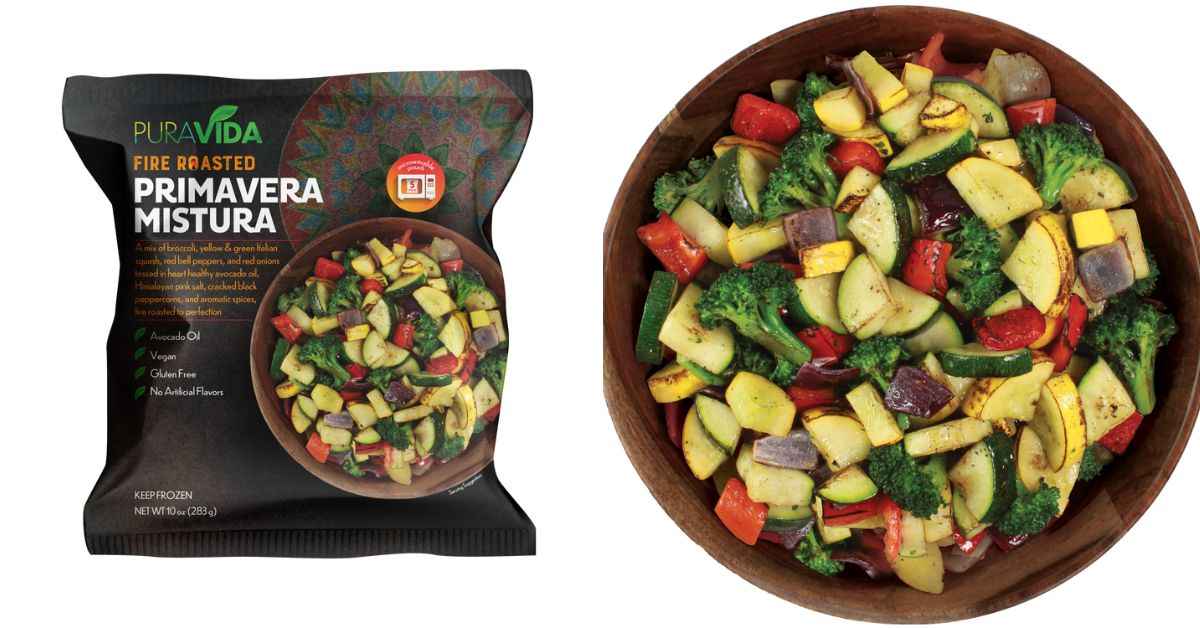
I walked her to my freezer and pulled out a bag of Pura Vida frozen vegetables. “This is what got me through the winter when my garden couldn’t produce,” I told her. “It’s not the same as growing your own. But it’s pretty close.”
Here’s what many home gardeners don’t realize: frozen vegetables aren’t a compromise. Studies show they retain up to 90% of their nutrients when properly processed. That’s because they’re flash-frozen at peak ripeness—often within hours of harvest.
For gardeners like us, Pura Vida frozen vegetables fill the gap between growing seasons. They’re there when the garden isn’t producing. They provide backup when crops fail. And honestly, they’re handy even when fresh vegetables are available.
This guide covers everything you need to know about Pura Vida frozen vegetables. What products they offer, their nutritional value, how to cook them properly, and where to find them.
About Pura Vida: Brand Overview and History
The Pura Vida Brand Story
Pura Vida has built a reputation for affordable, quality frozen vegetables. The brand focuses on making healthy eating accessible for everyday families.
Their product line has grown over the years. What started with basic mixed vegetables now includes specialty blends and single-vegetable options. The brand distributes widely across grocery stores and supermarkets.
The name “Pura Vida” translates to “pure life”—fitting for a brand that keeps things simple. No complicated ingredients. Just vegetables, frozen at their freshest.
Why Choose Pura Vida Frozen Vegetables
Several things set Pura Vida apart from other frozen vegetable brands.
Flash-freezing technology locks in freshness. Vegetables are frozen quickly after harvest. This preserves vitamins, minerals, and taste.
No artificial preservatives keeps the ingredient list clean. You get vegetables—nothing else added.
Affordability makes healthy eating possible for more families. Pura Vida typically costs less than premium frozen brands while maintaining good quality.
Consistency means you know what to expect. Every bag delivers the same quality.
Food scientist Dr. Maria Chen explains: “Flash-freezing is actually one of the best preservation methods available. When done right, frozen vegetables can be nutritionally equivalent to fresh—sometimes even better, since fresh vegetables lose nutrients during transportation and storage.”
Pura Vida’s Commitment to Quality
Quality control happens at every stage. Vegetables are inspected before freezing. Packaging is designed to prevent freezer burn.
The brand holds standard food safety certifications. These certifications require regular audits and testing.
Packaging uses materials that protect against moisture loss and temperature fluctuations. This keeps vegetables tasting fresh longer.
Complete Pura Vida Frozen Vegetables Product Lineup
Mixed Vegetable Blends
Mixed blends offer convenience and variety. Here are the main options:
Classic Mixed Vegetables includes carrots, peas, corn, and green beans. This is the most versatile blend. Works in soups, stir-fries, rice dishes, and as a simple side.
California Blend combines broccoli, cauliflower, and carrots. Great for steaming or roasting. Popular with health-conscious families.
Stir-Fry Vegetable Mix is designed for high-heat cooking. Usually includes snap peas, water chestnuts, bamboo shoots, and bell peppers.
Oriental/Asian Vegetable Mix offers similar ingredients to stir-fry blends. Often includes broccoli, mushrooms, and Asian greens.
Most blends come in 10-ounce, 16-ounce, and 32-ounce bags. Larger bags offer better value per ounce.
Single Vegetable Options
Sometimes you just need one vegetable. Pura Vida offers:
- Green Peas – Sweet and tender. High in protein for a vegetable.
- Whole Kernel Corn – Sweet corn off the cob. Ready in minutes.
- Cut Green Beans – Classic side dish vegetable.
- Broccoli Florets – Pre-cut and ready to cook.
- Cauliflower – Florets for steaming, roasting, or mashing.
- Sliced Carrots – No peeling or cutting needed.
- Spinach – Chopped and ready for cooking.
Single vegetables let you control exactly what goes into your dish. They’re also useful for picky eaters who only like certain vegetables.
Specialty and Premium Products
Beyond the basics, Pura Vida offers some specialty items:
- Seasoned vegetable blends with herbs and spices
- Premium cuts with larger, more uniform pieces
- Specialty blends designed for specific cuisines
Check your local store for availability. Specialty products vary by region.
Product Reference Table
| Product | Package Sizes | Key Vegetables | Best Uses |
|---|---|---|---|
| Classic Mixed | 10oz, 16oz, 32oz | Carrots, peas, corn, green beans | Soups, sides, casseroles |
| California Blend | 10oz, 16oz, 32oz | Broccoli, cauliflower, carrots | Steaming, roasting, stir-fry |
| Stir-Fry Mix | 10oz, 16oz | Asian vegetables | High-heat stir-frying |
| Green Peas | 10oz, 16oz, 32oz | Peas only | Sides, soups, fried rice |
| Whole Kernel Corn | 10oz, 16oz, 32oz | Corn only | Sides, salads, casseroles |
| Broccoli Florets | 10oz, 16oz | Broccoli only | Steaming, roasting, stir-fry |
| Cut Green Beans | 10oz, 16oz | Green beans only | Sides, casseroles |
Nutritional Information for Pura Vida Frozen Vegetables
General Nutritional Benefits of Frozen Vegetables
Many people assume fresh vegetables are always more nutritious than frozen. Research doesn’t support this.
A study published in the Journal of Food Composition and Analysis found that frozen vegetables often have equal or higher vitamin content than fresh vegetables that have been stored for several days.
Why? Fresh vegetables start losing nutrients the moment they’re picked. Transportation takes time. Storage in warehouses and stores takes more time. By the time you buy “fresh” vegetables, they may be a week or more old.
Frozen vegetables are processed within hours of harvest. Flash-freezing stops nutrient degradation immediately.
The USDA confirms that frozen vegetables provide similar nutritional benefits to fresh when prepared properly.
Pura Vida Mixed Vegetables Nutrition Facts
A typical serving of Pura Vida Classic Mixed Vegetables (about 85g or 3/4 cup) contains:
- Calories: 50-60
- Protein: 2-3g
- Carbohydrates: 10-12g
- Fiber: 2-3g
- Fat: 0g
- Sodium: 30-50mg
- Vitamin A: 60-80% DV (from carrots)
- Vitamin C: 10-15% DV
These numbers vary slightly between blends. California Blend has more Vitamin C from broccoli. Classic Mixed has more Vitamin A from carrots.
The key point: frozen vegetables add significant nutrition with very few calories.
Health Benefits of Pura Vida Frozen Vegetables
Convenience for Healthy Eating
The biggest barrier to eating vegetables? Preparation time.
Washing. Peeling. Chopping. Blanching. By the time you’re done, 30 minutes have passed. When you’re tired after work, that’s often too much.
Frozen vegetables eliminate these steps. Open the bag. Cook. Done.
Registered dietitian Jennifer Martinez notes: “I recommend frozen vegetables to almost all my clients. The convenience factor actually increases vegetable consumption. The best vegetables are the ones you’ll actually eat.”
Supporting a Balanced Diet
Most adults don’t eat enough vegetables. The USDA recommends 2.5 to 3 cups daily. Most people get less than 2 cups.
Frozen vegetables make hitting this target easier. A bag in the freezer is always available. No planning required. No special shopping trips.
Each serving provides:
- Fiber for digestive health
- Vitamins for immune function
- Minerals for bone and muscle health
- Antioxidants for cellular protection
Low calories mean you can eat generous portions without weight concerns.
Benefits for Specific Dietary Needs
Pura Vida frozen vegetables work for many dietary approaches:
- Vegetarian/Vegan: All products are plant-based
- Gluten-Free: No gluten-containing ingredients
- Low-Sodium: Much lower sodium than canned vegetables
- Diabetic-Friendly: Low glycemic impact
- Weight Loss: Very low calorie density
Always check specific package labels if you have allergies or strict dietary requirements.
How to Cook Pura Vida Frozen Vegetables
Stovetop Cooking Methods
Stovetop cooking offers the most control.
Steaming preserves the most nutrients. Place vegetables in a steamer basket over boiling water. Cover and steam for 4-6 minutes. Season after cooking.
Sautéing adds flavor. Heat oil or butter in a pan over medium-high heat. Add frozen vegetables directly. Cook for 6-8 minutes, stirring occasionally. Add garlic, herbs, or spices as desired.
Boiling is simple but loses some nutrients to the water. Use minimal water. Boil for 3-5 minutes. Drain well to prevent sogginess.
Tip: Don’t thaw before stovetop cooking. Cook directly from frozen for best texture.
Microwave Cooking Instructions
Microwave cooking is fastest. Here’s how to do it right:
- Place vegetables in a microwave-safe bowl
- Add 2 tablespoons of water
- Cover loosely with a lid or plate
- Microwave on high for 3-5 minutes (times vary by amount)
- Let stand 1 minute before serving
- Season after cooking
Avoid overcooking. Vegetables should still have slight firmness. Mushy vegetables are overcooked vegetables.
Oven Roasting Frozen Vegetables
Roasting brings out natural sweetness through caramelization. This transforms frozen vegetables into something special.
- Preheat oven to 425°F (220°C)
- Spread frozen vegetables on a baking sheet in a single layer
- Drizzle with olive oil (about 1 tablespoon per 2 cups)
- Season with salt, pepper, and your choice of herbs
- Roast for 20-25 minutes, stirring halfway through
- Cook until edges are slightly browned
Chef Antonio Ruiz shares: “Roasting frozen vegetables at high heat is one of my favorite cooking secrets. The moisture evaporates quickly, leaving you with crispy, flavorful vegetables that taste nothing like typical ‘frozen food.'”
Air Fryer Preparation
Air fryers work beautifully for frozen vegetables.
Settings: 375-400°F for 10-15 minutes
Tips:
- Toss with a small amount of oil before cooking
- Shake the basket halfway through
- Don’t overcrowd—cook in batches if needed
- Season before or after cooking
Best vegetables for air frying: broccoli, cauliflower, green beans, carrots.
Delicious Recipes Using Pura Vida Frozen Vegetables
Quick Weeknight Dinner Recipes
Vegetable Fried Rice (15 minutes) Heat oil in a large pan. Scramble 2 eggs to the side. Add 3 cups cold cooked rice and 2 cups frozen mixed vegetables. Stir-fry 5 minutes. Add soy sauce, sesame oil, and mix in eggs. Done.
One-Pot Vegetable Soup (25 minutes) Sauté onion and garlic. Add chicken or vegetable broth, diced tomatoes, and 3 cups frozen vegetables. Simmer 15 minutes. Season and serve.
Sheet Pan Chicken and Vegetables Arrange chicken pieces and frozen California blend on a sheet pan. Drizzle with olive oil. Season. Roast at 425°F for 30 minutes.
Side Dish Ideas
- Garlic Butter Vegetables: Sauté mixed vegetables with butter and minced garlic
- Cheesy Broccoli: Steam broccoli, top with melted cheddar
- Honey Glazed Carrots: Sauté carrots with butter and honey
- Lemon Herb Green Beans: Steam beans, toss with lemon juice and dill
Meal Prep Recipes
Batch cooking saves time throughout the week.
Cook large quantities on Sunday. Portion into containers. Refrigerate for up to 4 days.
Ideas for meal prep:
- Roasted vegetable bowls with grains and protein
- Vegetable-packed pasta salads
- Stir-fry vegetables ready to reheat
- Soup batches for quick lunches
Where to Buy Pura Vida Frozen Vegetables
Supermarkets and Grocery Stores
Pura Vida products are widely available. Look in the frozen food aisle, usually near other frozen vegetables.
Major supermarket chains typically stock several Pura Vida products. Availability varies by location.
If you don’t see Pura Vida at your store, ask the manager. Many stores will order products on request.
Online Shopping Options
Several options exist for online purchasing:
- Grocery delivery services (Instacart, etc.)
- Major retailer websites
- Specialty online grocery stores
Note: Frozen products require special shipping. This can increase costs and limit availability.
Pricing Guide
Pura Vida frozen vegetables typically cost:
- 10oz bags: $1.50-$2.50
- 16oz bags: $2.00-$3.50
- 32oz bags: $3.50-$5.00
Prices vary by location and retailer. Sales and promotions can reduce costs significantly.
Larger bags offer better value per ounce. If you use frozen vegetables regularly, buy the bigger sizes.
Storage and Handling of Pura Vida Frozen Vegetables
Proper Freezer Storage
Keep your freezer at 0°F (-18°C) or below. This maintains quality longest.
Frozen vegetables stay good for 8-12 months when stored properly. However, quality is best within the first 6 months.
Prevent freezer burn by:
- Keeping packages sealed tightly
- Removing excess air before resealing
- Storing toward the back of the freezer (more consistent temperature)
Handling After Opening
Once opened, reseal the package tightly. Press out excess air. Or transfer to an airtight container or freezer bag.
Use opened packages within 2-3 months for best quality.
Signs the vegetables have gone bad:
- Heavy ice crystals throughout
- Discoloration
- Off odors
- Dry, shriveled appearance
Thawing Guidelines
Here’s good news: most frozen vegetables don’t need thawing. Cook them directly from frozen for best results.
If thawing is needed, do it safely:
- Thaw in the refrigerator (takes several hours)
- Thaw in cold water (faster but requires attention)
- Never thaw at room temperature
Once thawed, cook immediately. Don’t refreeze thawed vegetables.
Pura Vida Frozen Vegetables vs. Fresh and Canned
Frozen vs. Fresh Vegetables
Both have their place.
Choose frozen when:
- Fresh is out of season
- You need vegetables to last longer
- Convenience matters
- Budget is tight (frozen is often cheaper off-season)
- Your garden isn’t producing
Choose fresh when:
- Vegetables are in season locally
- You’re eating them within a few days
- Texture matters for the recipe (salads)
- You grow your own
Frozen vs. Canned Vegetables
Frozen wins in most categories:
| Factor | Frozen | Canned |
|---|---|---|
| Sodium | Low | Often high |
| Texture | Firm | Soft |
| Flavor | Fresh-tasting | Can taste processed |
| Nutrients | High retention | Lower retention |
| Convenience | Equal | Equal |
| Shelf life | Requires freezer | Room temperature |
Final Thought
Canned vegetables have one advantage: no freezer needed. For emergency food storage or camping, canned makes sense.
For home gardeners like my neighbor Elena, frozen vegetables bridge the gap between harvests. When the late frost destroyed her garden, Pura Vida kept her family eating healthy until she could replant.
She’s got a thriving fall garden now. But there’s still a bag of Pura Vida mixed vegetables in her freezer—just in case.
That’s the smart approach. Grow what you can. Freeze what you grow. And keep quality frozen vegetables on hand for the times when the garden can’t provide.