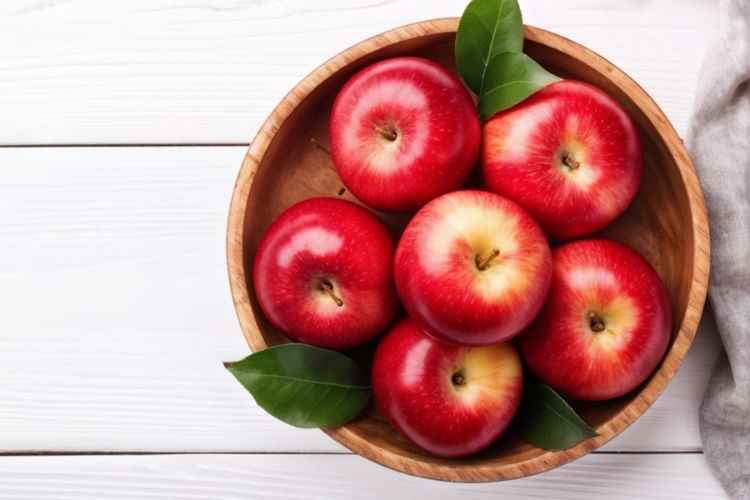
I’ll be honest with you — I never thought I’d be writing about apples on a gardening blog. I grow vegetables mostly. Tomatoes, zucchini, the occasional stubborn pepper plant. But last spring, my neighbor Dave asked me why his apple tree hadn’t produced a single fruit in six years. Six years! The poor guy had been watering it, pruning it, talking to it probably. And I had to break the news to him that some apple trees just… take their sweet time. That conversation sent me down a rabbit hole of apple facts that genuinely surprised me. So here are 15 weird facts about an apple that I think any home grower — or just anyone who eats apples — should know.
Strange Science Facts about an apple
1. Apples Float Because They’re 25% Air
Drop an apple in a bucket of water and it floats. That’s not magic — apples are roughly 25% air, which makes them less dense than water. Those little air pockets are spread through the fruit’s flesh, and that’s also why apples have that satisfying crunch when you bite into a fresh one. According to FAO data, apples are one of the most produced fruits globally, and that air content plays a role in how they transport and store without crushing under their own weight.
2. An Apple Is Actually Part of the Rose Family
This one always gets people. Apples belong to the Rosaceae family — the same botanical family as roses. So do pears, cherries, peaches, and even strawberries. The USDA and botanical classification records confirm this, and once you know it, you start noticing the similarities. Apple blossoms actually look a lot like wild rose flowers. Next time your apple tree blooms in spring, take a close look. It’s kind of beautiful when you know what you’re seeing.
3. There Are Over 7,500 Apple Varieties Worldwide
Seven thousand five hundred. And your grocery store stocks maybe 10 to 15 of them on a good day. The reason is simple — commercial varieties are chosen for shelf life, shipping durability, and appearance. But there are thousands of heritage and regional varieties that most people will never taste. If you’re thinking about planting an apple tree, it’s worth researching old local varieties that are actually suited to your soil and climate rather than just grabbing whatever’s at the nursery.
4. Apples Brown Due to a Chemical Defense Reaction
Cut an apple and leave it out — it turns brown fast. That’s an enzyme called polyphenol oxidase doing its thing. When apple cells break open, this enzyme reacts with oxygen in the air and starts oxidizing the compounds in the fruit. It’s essentially the apple’s version of a defense mechanism against damage. Want to slow it down? A squeeze of lemon juice works because the citric acid lowers the pH and slows the enzyme reaction. I use this trick constantly when I’m prepping food in the garden during summer workshops.
5. Apples Can Ripen Other Fruits (Ethylene Gas Effect)
Apples release ethylene gas as they ripen, and ethylene is basically a ripening signal for other fruits nearby. Put an apple in a paper bag with an unripe banana or a hard avocado and check it in a day or two — things speed up. This is legitimately useful in the kitchen. On the flip side, don’t store apples next to produce you want to keep fresh longer. I learned this the hard way when I stored a bowl of apples next to some garden tomatoes I wasn’t ready to use yet. They went soft in two days.
Pro Tip: Keep apples away from your other stored produce unless you want things to ripen faster. Your pantry setup actually matters more than most people think.
Surprising History and Cultural Facts
6. The Forbidden Fruit Was Probably Not an Apple
This one blew my mind. The Bible never actually says the fruit in the Garden of Eden was an apple. The mix-up likely came from the Latin word malum, which means both “apple” and “evil.” When the Bible was translated into Latin (the Vulgate), the word got used for both the forbidden fruit and the concept of evil — and the image of an apple just stuck. So that classic painting of Adam and Eve with an apple? Probably historically inaccurate. Just a fun thing to bring up at dinner.
7. Johnny Appleseed Was a Real Person
Yes, he was real. His actual name was John Chapman, and he lived from 1774 to 1845. But here’s the part most people don’t know — he wasn’t just wandering around planting apples because he loved apples. Planting orchards was a legal strategy at the time. Settlers could claim land by improving it, and planting fruit trees counted as improvement. It was a land ownership play as much as anything else. Still a fascinating person, but a little more complicated than the storybook version.
8. Apples Were Once Used as Medicine
“An apple a day keeps the doctor away” comes from a 19th century Welsh proverb — the original line was actually “eat an apple on going to bed, and you’ll keep the doctor from earning his bread.” Apples were genuinely used in folk medicine for everything from digestive issues to fever. Historical medical literature from the 1800s references apple-based remedies pretty regularly. Whether it worked is another question, but the association between apples and health has been around for a long time.
9. Apple Trees Take 4–8 Years to Produce Fruit
Back to my neighbor Dave. This is the fact that finally helped him stop worrying. Standard apple trees grown from seed can take 4 to 8 years before they produce fruit. Even grafted trees — which are the ones you buy from a nursery and what most people plant — can take 2 to 5 years. It’s a long-game investment. If you’re planting an apple tree, do it with realistic expectations. You’re planting for future-you, not this weekend’s snack.
10. The World’s Heaviest Apple Weighed Over 4 Pounds
A Japanese farmer grew an apple in 2005 that weighed 4 pounds and 1 ounce — officially recognized by Guinness World Records. For comparison, a typical grocery store apple weighs around half a pound. That’s a seriously massive piece of fruit. I have no idea how you’d even eat that in one sitting. Or why you’d want to.
Mind-Blowing Health and Psychological Facts
11. Apples May Boost Brain Function
Apples contain a compound called quercetin, which is a type of antioxidant. Some peer-reviewed research has suggested that quercetin may help protect brain cells from oxidative stress, which is one of the factors associated with cognitive decline. The studies are still ongoing and I’m not a doctor — I grow zucchini for a living — but the research is interesting enough to mention. Apples also contain vitamin C and other antioxidants that have broad health benefits.
12. The Smell of Green Apples Can Reduce Anxiety
This one sounds like something off a wellness Instagram page, but there’s actually some aromatherapy research behind it. Studies have found that the scent of green apples may help reduce feelings of anxiety and can even help with claustrophobia in some cases. Something about the scent interacts with how our brain processes stress signals. I can’t explain the exact mechanism, but I will say that walking past an apple tree in bloom on a cool morning does something genuinely calming. Maybe I’ve been stress-relieving myself without knowing it for years.
13. Apples Can Be More Energizing Than Coffee
Okay, I know that sounds like clickbait, but hear me out. Apples don’t have caffeine, so they won’t hit you the same way. But the natural sugars in apples are paired with fiber, which slows how quickly that sugar enters your bloodstream. The result is a slower, steadier energy release rather than the spike-and-crash cycle you sometimes get with coffee. On long gardening days when I’m out working from early morning, I’ve started keeping apples in my kit bag. It genuinely helps more than I expected.
14. Apple Seeds Contain Cyanide (But Don’t Panic)
Apple seeds contain a compound called amygdalin, which can release hydrogen cyanide when metabolized. That sounds terrifying, but the amount in apple seeds is so small that you’d have to intentionally eat an enormous number of crushed seeds to experience any harmful effect. Accidentally swallowing a seed or two while eating an apple is completely fine — your body can handle it and most seeds pass through undigested anyway. Just don’t make a habit of chewing through a cup of seeds for fun.
Safety note: Eating a few seeds is not dangerous. This is one of those facts that sounds alarming but isn’t actually a practical concern for normal apple eating.
15. Apples Are 85–86% Water
Most people think of apples as solid, dense fruit. But they’re mostly water — about 85 to 86% by weight. That actually makes them a decent source of hydration on hot days, especially compared to something like a banana (around 75% water) or a dried fruit that’s had most of its moisture removed. On a hot summer gardening day, eating an apple is genuinely refreshing in a way that makes more sense once you know this.
So What Does Any of This Have to Do With Gardening?
Honestly? Quite a bit.
If you’re thinking about planting an apple tree, understanding some of these weird facts about apples helps you set realistic expectations — like knowing it might be five years before you see fruit. Knowing that apple varieties are hugely diverse means you should research what grows well in your specific region and soil type before you buy. And knowing how ethylene works means you’ll store your harvested apples more carefully.
The 15 weird facts about an apple I’ve shared here are the kind of things I wish someone had told me years ago — not just about growing apples, but about appreciating the plant itself. Gardening is a lot more interesting when you understand what’s actually happening underneath the surface.
Dave’s apple tree, by the way, finally produced a small crop last autumn. He texted me a photo of about a dozen apples in a colander. Not exactly a bumper harvest, but after six years of waiting, I think he nearly cried. Totally worth the wait.
Have questions about growing apple trees or fruit in general? Drop them in the comments — I’ll do my best to help based on what’s actually worked (and what hasn’t) in real gardens.