
Last summer, my neighbor Karen knocked on my door in a panic. She’d just started keto and was staring at her garden beds like they’d betrayed her.
“I grew all these beautiful vegetables,” she said, pointing at her thriving squash plants and potato patch. “Now I’m reading they’re full of carbs. Did I waste my whole growing season?”
I laughed and walked her through her garden. Within ten minutes, we’d found plenty of keto-friendly options she’d overlooked. Her zucchini? Perfect. Those leafy greens she’d been ignoring? Absolute gold mines for low carb eating.
Here’s the thing most people don’t realize: vegetables are still your best friends on a low carb diet. You just need to know which ones to pick.
Only 1 in 10 American adults eat enough vegetables daily, according to the CDC. That number gets even lower when people start keto or low carb diets. Many folks think they need to avoid vegetables entirely. That’s just not true.
The right vegetable choices give you fiber, vitamins, minerals, and filling volume without wrecking your carb goals. Whether you’re doing strict keto, managing blood sugar, or just cutting back on carbs for weight loss, vegetables should fill most of your plate.
This guide ranks over 50 low carb vegetables by net carbs. I’ll organize them by category so you can shop smarter. I’ll also tell you which popular vegetables to limit or avoid. Plus, you’ll get cooking tips, storage advice, and easy ways to eat more keto-friendly veggies every day.
Let’s figure out exactly which vegetables belong on your shopping list.
Understanding Carbs in Vegetables
Total Carbs vs. Net Carbs in Vegetables
When I first started helping folks in my local gardening club understand low carb eating, I saw the same confusion over and over. People would look at a nutrition label and see “Total Carbohydrates: 7 grams” and freak out.
But that number doesn’t tell the whole story.
Total carbohydrates include everything: sugars, starches, AND fiber. But fiber is different. Your body can’t digest it the same way. It passes through without spiking your blood sugar.
That’s where net carbs come in.
The formula is simple:
Total Carbs – Fiber = Net Carbs
Let’s say you eat a cup of broccoli. It has about 6 grams of total carbs. But 2.4 grams of that is fiber. So the net carbs? Only 3.6 grams.
For keto and low carb diets, net carbs matter way more than total carbs. Registered dietitians agree that counting net carbs gives you a more accurate picture of how food affects your blood sugar and ketone levels.
Vegetable carbs also act differently than carbs from processed foods. A cup of cauliflower affects your body very differently than a cup of white rice, even if the total carb numbers looked similar. The fiber, water content, and nutrient density in vegetables slow down digestion and reduce blood sugar spikes.
Why Some Vegetables Are Lower in Carbs Than Others
My friend Tom grows vegetables on his little suburban plot in Phoenix. He once asked me why his tomatoes had more carbs than his lettuce. Both came from the same garden. What was the difference?
The answer comes down to a few key factors.
Water content matters a lot. Vegetables with more water have fewer carbs per serving. Cucumbers are about 96% water. Potatoes? Only about 80%. That’s one reason cucumbers are so much lower in carbs.
Above-ground vs. below-ground vegetables follow a pattern. This is a handy rule of thumb I share with gardening club members. Plants that grow above ground (leafy greens, peppers, zucchini) tend to be lower in carbs. Root vegetables that grow below ground (potatoes, carrots, beets) store more starch and sugar.
Starchy vs. non-starchy vegetables make a huge difference. Corn stores energy as starch. Spinach doesn’t. That’s why corn has 29 grams of net carbs per cup while spinach has barely any.
Here’s a quick comparison:
| Vegetable Type | Average Net Carbs Per Cup |
|---|---|
| Leafy Greens | 0.1 – 1g |
| Cruciferous | 2 – 5g |
| Summer Squash | 2 – 3g |
| Root Vegetables | 8 – 25g+ |
Growing conditions can also affect carb content slightly. Vegetables grown in cooler temperatures or picked earlier may have different sugar levels. But the category differences matter way more than growing conditions for most gardeners.
How Many Vegetable Carbs Fit Your Daily Budget?
Different low carb approaches have different limits. Here’s how they break down:
Standard keto: 20-50 grams of net carbs daily. This keeps most people in ketosis.
Moderate low carb: 50-100 grams daily. Good for steady weight loss without strict ketosis.
Liberal low carb: 100-150 grams daily. Helps maintain weight and offers more food flexibility.
Research published in nutrition journals shows that staying under 50 grams of net carbs daily puts most people into ketosis within a few days.
Here’s my advice: Most of your daily carbs should come from vegetables. If you’re eating 30 grams of net carbs daily on keto, aim for 20-25 of those grams from vegetables. They give you the most nutritional bang for your carb buck.
A woman in my neighborhood gardening group, Sarah, told me she used to waste her carb budget on things like keto bread and low carb tortillas. She felt terrible and was always hungry. Once she switched to spending those carbs on actual vegetables, everything changed. More energy. Less hunger. Better results on the scale.
Vegetables fill you up. They give you vitamins. They keep your gut happy. That’s where your carbs should go.
Complete Low Carb Vegetables List by Category
Leafy Greens (Lowest Carb Vegetables)
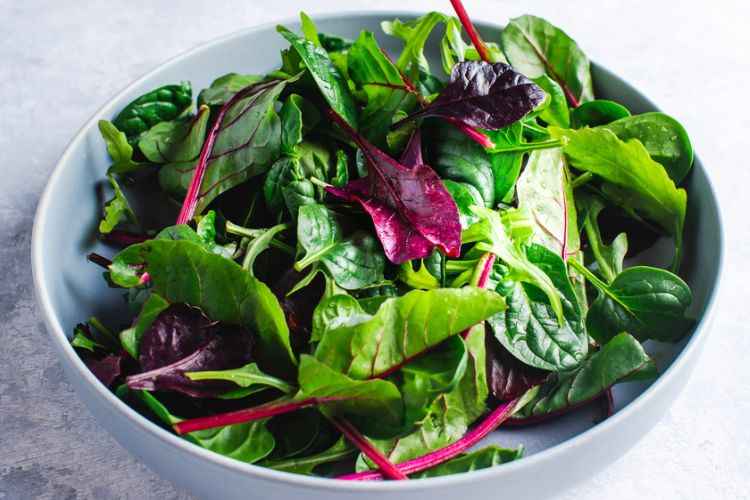
If you’re doing strict keto, leafy greens are your best friends. You can eat them almost without limit.
I grow lettuce and spinach in my raised beds every spring and fall. In Southern regions, they grow great during the cooler months. In places like Minnesota or Michigan, summer is prime time.
Here’s the lineup:
- Watercress: 0.1g net carbs per cup
- Spinach: 0.4g net carbs per cup (raw)
- Arugula: 0.4g net carbs per cup
- Collard Greens: 0.5g net carbs per cup (raw)
- Lettuce (Romaine): 0.5g net carbs per cup
- Swiss Chard: 0.8g net carbs per cup
- Bok Choy: 0.8g net carbs per cup
- Kale: 0.9g net carbs per cup (raw)
These greens pack serious nutrition. Romaine lettuce has loads of Vitamin K. Spinach gives you iron and magnesium. Kale is stuffed with Vitamin A and C.
A fellow gardener named Marcus told me he started growing mesclun mix in containers on his apartment balcony in downtown Denver. He now has fresh salad greens year-round for basically zero carbs. “It’s the easiest crop I’ve ever grown,” he said. “And I save twenty bucks a week on salad kits.”
Cruciferous Vegetables (1-4g Net Carbs)
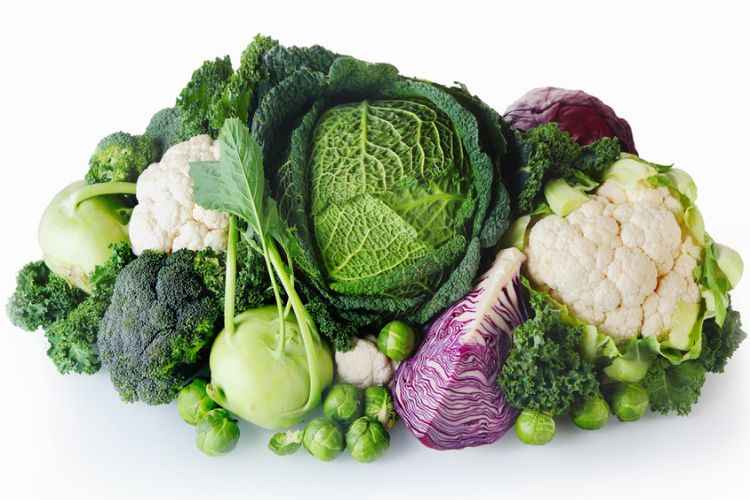
Broccoli and cauliflower get all the attention in the keto world. But this whole vegetable family is fantastic for low carb eating.
Here’s what you’re working with:
- Radishes: 1.8g net carbs per cup
- Cauliflower: 2.0g net carbs per cup
- Cabbage: 2.2g net carbs per cup (raw)
- Kohlrabi: 3.5g net carbs per cup
- Broccoli: 3.6g net carbs per cup
- Turnips: 4.2g net carbs per cup
- Brussels Sprouts: 4.7g net carbs per cup
These vegetables contain a compound called sulforaphane. Research links it to reduced inflammation and even cancer prevention. That’s a nice bonus on top of being low carb.
Cauliflower has become the superstar of keto cooking. You can rice it, mash it, turn it into pizza crust, or use it as a potato substitute. One of my gardening students in Ohio grew so much cauliflower last year that she was making cauliflower everything for months.
Radishes are underrated. When you roast them, they lose that sharp bite and taste almost like potatoes. I’ve fooled more than one person at dinner parties.
Low Carb Squash and Gourd Varieties
Summer squash and cucumbers are low carb champions. Winter squash? Not so much.
The good news:
- Cucumber: 2.0g net carbs per cup
- Chayote Squash: 2.2g net carbs per cup
- Zucchini: 2.4g net carbs per cup
- Yellow Squash: 2.6g net carbs per cup
- Spaghetti Squash: 5.5g net carbs per cup (cooked)
The ones to limit:
- Butternut Squash: 13g net carbs per cup
- Acorn Squash: 15g net carbs per cup
Zucchini and yellow squash are easy to grow in almost any climate. A friend in Texas told me she couldn’t give away her zucchini fast enough last summer. “I was leaving bags of it on neighbors’ porches like some kind of vegetable Santa Claus.”
On keto, that’s a great problem to have. Spiral it into noodles. Slice it thin for lasagna. Grill it with olive oil. You really can’t go wrong.
Peppers, Tomatoes, and Nightshade Vegetables
This category needs a little more attention to portion sizes.
Here’s the breakdown:
- Jalapeños: 0.5g net carbs per pepper
- Eggplant: 2.3g net carbs per cup
- Bell Peppers (green): 2.9g net carbs per cup
- Cherry Tomatoes: 4.0g net carbs per cup
- Bell Peppers (red): 4.7g net carbs per cup
- Tomatoes: 4.8g net carbs per medium tomato
Notice how bell peppers change as they ripen? Green peppers are lower in carbs because they’re less ripe. As they turn yellow, orange, and red, the sugar content increases. Same plant, different carb counts.
Tomatoes are borderline for strict keto. A few slices won’t hurt you. But eating a whole bowl of cherry tomatoes could add up fast.
Eggplant is a hidden gem. It absorbs flavors like a sponge and stays low carb. Sliced thin and grilled, it makes a great pasta replacement.
Allium Vegetables (Onions, Garlic, and Relatives)
Garlic and onions add so much flavor to cooking. But you need to watch the amounts.
Lower carb options:
- Chives: 0.1g net carbs per tablespoon
- Garlic: 0.9g net carbs per clove
- Green Onions: 1.1g net carbs per ¼ cup
- Shallots: 3.0g net carbs per tablespoon
- Leeks: 3.5g net carbs per ½ cup
Higher carb (use sparingly):
- Onions: 7.0g net carbs per ½ cup
Regular onions catch a lot of keto folks off guard. Half a cup doesn’t look like much. But 7 grams of net carbs is a big chunk of your daily budget.
Green onions and chives give you that onion flavor with way fewer carbs. I keep both growing in pots year-round. A snip here and there adds tons of flavor to eggs, salads, and meats.
Garlic is worth its carbs. One clove has less than a gram of net carbs but transforms any dish. I’ve never met a keto cook who gave up garlic.
Low Carb Root Vegetables and Alternatives
Root vegetables are tricky. Most are high in carbs. But a few work well on low carb diets.
The winners:
- Radishes: 1.8g net carbs per cup
- Daikon Radish: 2.5g net carbs per cup
- Turnips: 4.2g net carbs per cup
- Jicama: 5.1g net carbs per cup
- Celeriac (Celery Root): 5.9g net carbs per cup
The ones to avoid:
- Potatoes: 26g net carbs per medium potato
- Sweet Potatoes: 20g net carbs per medium potato
- Parsnips: 13g net carbs per cup
- Beets: 9.2g net carbs per cup
Roasted radishes are the best potato swap I’ve found. Cut them into quarters, toss with olive oil and salt, roast at 400°F for 25 minutes. They get tender and slightly sweet. Nothing like raw radishes.
Turnips work great in soups and stews. Celeriac makes a smooth, creamy mash that mimics mashed potatoes pretty well. Jicama has a nice crunch for raw snacking or fries.
A gardener I know in Missouri started growing daikon radish specifically for low carb cooking. “I can’t believe I ignored this vegetable for 50 years,” she told me.
Other Essential Low Carb Vegetables
Here are more low carb vegetables that deserve space in your garden or shopping cart:
- Celery: 1.2g net carbs per cup
- Mushrooms: 1.6g net carbs per cup
- Asparagus: 2.4g net carbs per cup
- Okra: 2.4g net carbs per cup
- Fennel: 3.2g net carbs per cup
- Artichoke Hearts: 4.0g net carbs per ½ cup
- Green Beans: 4.3g net carbs per cup
- Snap Peas: 4.8g net carbs per cup
Asparagus is a great perennial choice for home gardeners. Plant it once, harvest for 20+ years. In areas like the Pacific Northwest, asparagus does amazingly well.
Green beans fall into a gray area. They’re technically legumes, but they’re much lower in carbs than dried beans. You can eat them on keto without worry.
Mushrooms aren’t technically vegetables (they’re fungi), but they show up in the vegetable aisle. They’re very low in carbs and great for adding meaty texture to dishes.
You may also like Low Carb Fruits: The Complete Guide to Keto-Friendly Fruit Choices
Cooking Low Carb Vegetables for Maximum Flavor
Best Cooking Methods for Keto Vegetables
Raw vegetables are great for some things. But cooking opens up a whole world of flavor.
Roasting is my go-to method. High heat (400-425°F) caramelizes the natural sugars without adding carbs. Broccoli, cauliflower, Brussels sprouts, and asparagus all shine when roasted with olive oil and salt.
Sautéing works fast for weeknight dinners. Zucchini, mushrooms, and leafy greens cook up in minutes. Use butter or olive oil for extra fat (which helps on keto anyway).
Steaming keeps things simple and preserves the most nutrients. Good for broccoli and green beans when you want them tender but still bright green.
Grilling adds smoky flavor that makes vegetables exciting. Zucchini, peppers, and asparagus grill beautifully. I’ve converted more than one vegetable hater with grilled veggies.
Air frying gives you crispy texture without deep frying. Zucchini chips, crispy Brussels sprouts, and cauliflower florets all come out great.
Low Carb Vegetable Substitutes for High Carb Foods
This is where low carb eating gets creative.
Cauliflower rice replaces regular rice. Pulse raw cauliflower in a food processor, then sauté until tender. I’ve served this to guests who didn’t realize it wasn’t rice.
Zucchini noodles replace pasta. Use a spiralizer or julienne peeler. Sauté briefly or serve raw. One cup has about 2g net carbs instead of 40+ grams in regular pasta.
Mashed cauliflower replaces mashed potatoes. Steam cauliflower until very soft, then blend with butter, cream cheese, and salt. It’s genuinely delicious.
Lettuce wraps replace tortillas. Butter lettuce or romaine hearts work best. They’re sturdy enough to hold fillings without falling apart.
Portobello mushrooms replace burger buns. Grill them flat-side up, then use as top and bottom buns. You get to skip 25+ grams of carbs from bread.
The carb savings add up fast:
| Swap This | For This | Net Carb Savings |
|---|---|---|
| 1 cup rice | 1 cup cauliflower rice | ~43g |
| 1 cup pasta | 1 cup zucchini noodles | ~38g |
| 1 medium potato (mashed) | 1 cup mashed cauliflower | ~24g |
Flavor Boosters That Keep Vegetables Low Carb
Plain steamed vegetables get boring fast. Here’s how to make them exciting without adding carbs.
Herbs and spices are basically zero carb. Rosemary, thyme, oregano, basil, cumin, paprika, garlic powder—use them freely. Fresh herbs from your garden taste even better.
Healthy fats improve both flavor and nutrition. Butter, olive oil, avocado oil, and coconut oil are all keto-friendly. Fat also helps your body absorb vitamins A, D, E, and K from vegetables.
Cheese transforms vegetables. Parmesan on roasted broccoli. Cheddar melted over cauliflower. Feta crumbled on salads. Most hard cheeses are very low in carbs.
Bacon and pancetta make everything better. A few pieces crumbled over Brussels sprouts or green beans adds protein and flavor.
Lemon juice and vinegar brighten vegetables without adding carbs. A squeeze of lemon over asparagus or a splash of balsamic on a salad makes a big difference.
Health Benefits of Low Carb Vegetables
Essential Vitamins and Minerals
Low carb vegetables aren’t just about cutting carbs. They’re nutrition powerhouses.
Vitamin A: Spinach, kale, and red peppers are loaded with beta-carotene, which your body converts to Vitamin A. Good for eye health and immune function.
Vitamin C: Broccoli and bell peppers have more Vitamin C per serving than oranges. Red bell peppers have nearly 300% of your daily value in one cup.
Vitamin K: Dark leafy greens like kale, spinach, and Swiss chard are the best sources. Vitamin K helps with blood clotting and bone health.
Potassium: This mineral is super important on keto because you lose more of it through urination. Spinach, broccoli, and Brussels sprouts help keep levels up.
Magnesium: Another mineral that often runs low on keto. Leafy greens and avocados (yes, it’s technically a fruit, but most people count it with vegetables) are good sources.
Fiber Benefits for Digestive Health
A lot of people worry about fiber on low carb diets. They shouldn’t.
Low carb vegetables give you plenty of fiber. And fiber does important work:
- Feeds the good bacteria in your gut
- Helps you feel full longer
- Keeps digestion moving smoothly
- Reduces blood sugar spikes from other foods
Broccoli, cauliflower, and leafy greens are all good fiber sources. Artichoke hearts are fiber superstars with 7+ grams per serving.
The recommended daily fiber intake is 25-30 grams. You can hit that on keto with vegetables alone. A cup of broccoli has 2.4g. A cup of cauliflower has 2.1g. A cup of spinach has 0.7g. Add them up across a day of eating, and you’re doing fine.
Antioxidants and Disease Prevention
Research shows that eating vegetables reduces the risk of chronic diseases. That’s true on any diet.
Cruciferous vegetables contain compounds linked to cancer prevention in multiple studies. The National Cancer Institute notes that these vegetables may protect cells from DNA damage.
Lycopene in tomatoes supports heart health. Cooking tomatoes actually makes lycopene easier for your body to absorb.
Anthocyanins in purple vegetables like eggplant and red cabbage have anti-inflammatory effects.
The key point: going low carb doesn’t mean missing out on these benefits. You just need to focus on the right vegetables.
Vegetables to Avoid or Limit on Low Carb Diets
High Carb Starchy Vegetables
These vegetables pack too many carbs for strict keto:
- Corn: 29g net carbs per cup
- Potatoes: 26g net carbs per medium potato
- Sweet Potatoes: 20g net carbs per medium potato
- Peas: 14g net carbs per cup
- Parsnips: 13g net carbs per cup
One medium potato blows your entire daily carb budget on strict keto. That’s not a mistake. Potatoes are basically pure starch.
These vegetables spike blood sugar more than non-starchy options. The glycemic index of a potato is similar to white bread.
If you’re doing moderate or liberal low carb, you might fit small portions of these in occasionally. But for keto, they’re off the table.
Surprisingly High Carb Vegetables
These catch people off guard because they seem healthy:
- Beets: 9.2g net carbs per cup
- Carrots: 8.7g net carbs per cup
- Onions: 7.0g net carbs per ½ cup
- Butternut Squash: 13g net carbs per cup
- Acorn Squash: 15g net carbs per cup
Carrots and onions aren’t terrible in small amounts. A few carrot sticks or some diced onion in a recipe won’t wreck your diet. But eating a full cup of carrots or half an onion adds up fast.
Winter squashes like butternut and acorn are basically off-limits for keto. They taste sweet because they ARE sweet—full of natural sugars.
Beets have lots of vitamins, but they’re also high in sugar. The deep red color comes from powerful antioxidants, but the carb count is too high for strict low carb eating.
Beans and Legumes: Are They Vegetables?
This confuses a lot of people. In the grocery store, beans are near vegetables. But nutritionally, they’re different.
Most dried beans and legumes are very high in carbs:
- Chickpeas: 26g net carbs per cup
- Black Beans: 23g net carbs per cup
- Kidney Beans: 22g net carbs per cup
- Lentils: 24g net carbs per cup
These don’t fit keto at all. Even on moderate low carb, they need to be limited.
Exceptions: Green beans and snap peas are fine. They’re eaten with the pod before the beans develop. At 4-5g net carbs per cup, they fit into low carb eating easily.
Shopping, Storing, and Meal Prepping Low Carb Vegetables
Smart Shopping Strategies
Fresh vegetables are great, but frozen vegetables are just as nutritious. Sometimes they’re MORE nutritious because they’re frozen right after harvest.
Fresh works best when:
- You’re eating vegetables within a few days
- You want specific varieties not available frozen
- Texture matters (salads, raw snacks)
Frozen works best when:
- You want longer storage
- You’re cooking or blending vegetables
- You need convenience
Canned vegetables can work, but watch for added sugar and sodium. Plain canned tomatoes are fine. Canned corn in syrup is not.
Buy seasonally when possible. In-season vegetables cost less and taste better. Summer means zucchini, tomatoes, and peppers. Fall and winter bring cruciferous vegetables. Spring brings asparagus and leafy greens.
Organic vs. conventional is a personal choice. If budget is tight, focus organic spending on the “Dirty Dozen” (produce with most pesticide residue) and go conventional on the “Clean Fifteen.”
Proper Storage for Maximum Freshness
Nothing’s more frustrating than vegetables going bad before you eat them.
Refrigerator storage:
- Leafy greens: Wrap in paper towels, store in bags. 5-7 days.
- Broccoli and cauliflower: Loose in crisper drawer. 5-7 days.
- Zucchini and peppers: Crisper drawer. 1-2 weeks.
- Mushrooms: Paper bag, not plastic. 5-7 days.
Counter storage:
- Tomatoes: Room temperature until ripe, then refrigerate.
- Onions and garlic: Cool, dark place. Several weeks.
Freezer storage: Most vegetables need blanching first (quick boil, then ice bath). This stops enzymes that cause freezer burn and off-flavors. Properly frozen vegetables last 8-12 months.
Meal Prep Tips for Weekly Success
Sunday meal prep makes weeknight low carb eating way easier.
Batch roast vegetables. Roast a sheet pan each of broccoli, cauliflower, and Brussels sprouts. Store separately. Reheat portions throughout the week.
Pre-chop salad ingredients. Wash and chop lettuce, slice cucumbers and peppers, prep everything except tomatoes (they get soggy). Store in separate containers and assemble salads fresh.
Make cauliflower rice ahead. Process a whole head, then store raw or sauté the whole batch. It reheats well.
Prep vegetable snacks. Cut celery and cucumber sticks. Portion into containers with low carb dips like ranch or guacamole.
Common Mistakes When Eating Low Carb Vegetables
Not Eating Enough Vegetables
This is the biggest mistake I see.
People start keto and think “vegetables have carbs, so I should avoid them.” Then they eat only meat and cheese for weeks. They feel terrible. They get constipated. They quit.
Vegetables should be the foundation of low carb eating, not an afterthought. Yes, they have some carbs. But leafy greens and cruciferous vegetables have so few carbs that you can eat them freely.
Aim for 3-5 servings of low carb vegetables daily. That gives you fiber, vitamins, and minerals you can’t get from meat alone.
Ignoring Portion Sizes
Even low carb vegetables add up if you eat enough.
A cup of zucchini has 2.4g net carbs. That’s basically nothing. But eating four cups? Now you’re at nearly 10g just from one vegetable.
This matters more with moderate-carb vegetables. Brussels sprouts at 4.7g per cup can add up fast if you’re loading up your plate.
Tracking apps help. Even just eyeballing portions gets easier with practice. Learn what a cup looks like. Know that a medium bell pepper has about 5g net carbs.
Choosing Wrong Cooking Oils and Additions
The vegetable itself might be low carb. But what you put on it matters.
Store-bought salad dressings often have added sugar. Some have 5+ grams of carbs per serving. Read labels or make your own with olive oil and vinegar.
Vegetable stir-fries from restaurants often use sugary sauces. Teriyaki and sweet and sour sauces can add 15+ grams of carbs.
Stick to simple cooking fats: butter, olive oil, avocado oil, coconut oil. Season with herbs, salt, pepper, and garlic.
Low Carb Vegetable Recipes and Meal Ideas
Quick and Easy Vegetable Side Dishes
Roasted Broccoli with Parmesan Toss broccoli florets with olive oil and salt. Roast at 425°F for 15 minutes. Top with shredded parmesan. 4g net carbs per serving.
Garlic Butter Mushrooms Sauté sliced mushrooms in butter with minced garlic. Cook until golden. Season with salt and thyme. 2g net carbs per serving.
Creamed Spinach Wilt spinach in a skillet. Add cream cheese, heavy cream, and garlic. Stir until creamy. 2g net carbs per serving.
Air Fryer Zucchini Chips Slice zucchini thin. Toss with olive oil and salt. Air fry at 375°F for 12 minutes, flipping halfway. 2g net carbs per serving.
Low Carb Vegetable Main Dishes
Stuffed Bell Peppers (No Rice) Hollow out bell peppers. Fill with ground beef, diced tomatoes, cheese, and spices. Bake at 375°F for 30 minutes. 6g net carbs per pepper.
Zucchini Lasagna Layer sliced zucchini with ricotta, meat sauce, and mozzarella. Bake until bubbly. 8g net carbs per serving.
Portobello Mushroom Burgers Grill portobello caps. Use as buns for burger patties with cheese and toppings. 4g net carbs.
Salads and Raw Vegetable Preparations
Classic Caesar Salad Romaine lettuce with homemade Caesar dressing (mayo, parmesan, lemon, anchovy paste, garlic). Top with parmesan crisps instead of croutons. 3g net carbs.
Greek Salad Cucumber, tomato, red onion, olives, feta cheese. Dress with olive oil and red wine vinegar. 6g net carbs per serving.
Crudité Platter Celery sticks, cucumber slices, bell pepper strips, radishes. Serve with ranch dip or guacamole. 4g net carbs per serving.
Final Thought
Low carb eating doesn’t mean giving up vegetables. It means choosing the right ones.
Leafy greens, cruciferous vegetables, summer squash, and peppers all fit beautifully into keto and low carb diets. Root vegetables and starchy vegetables need to go.
My neighbor Karen from the beginning of this article? She ended up loving low carb eating once she figured out which vegetables worked. She even expanded her garden the following year to grow more zucchini, lettuce, and radishes.
“I eat more vegetables now than I did before keto,” she told me last month. “I just pick different ones.”
That’s the whole secret. You don’t need to avoid vegetables. You need to choose wisely.
Start with the ultra-low carb vegetables. Eat leafy greens freely. Add cruciferous vegetables in generous portions. Use zucchini and cucumbers as filler. Watch your portions with moderate-carb vegetables. Skip the starchy ones entirely.
Your plate should still be full of vegetables. They’ll just be the right vegetables for your goals.
Now get out there and start eating your greens.