A few years ago, a new gardener in our community plot stared at her neighbor’s raised bed with complete confusion.
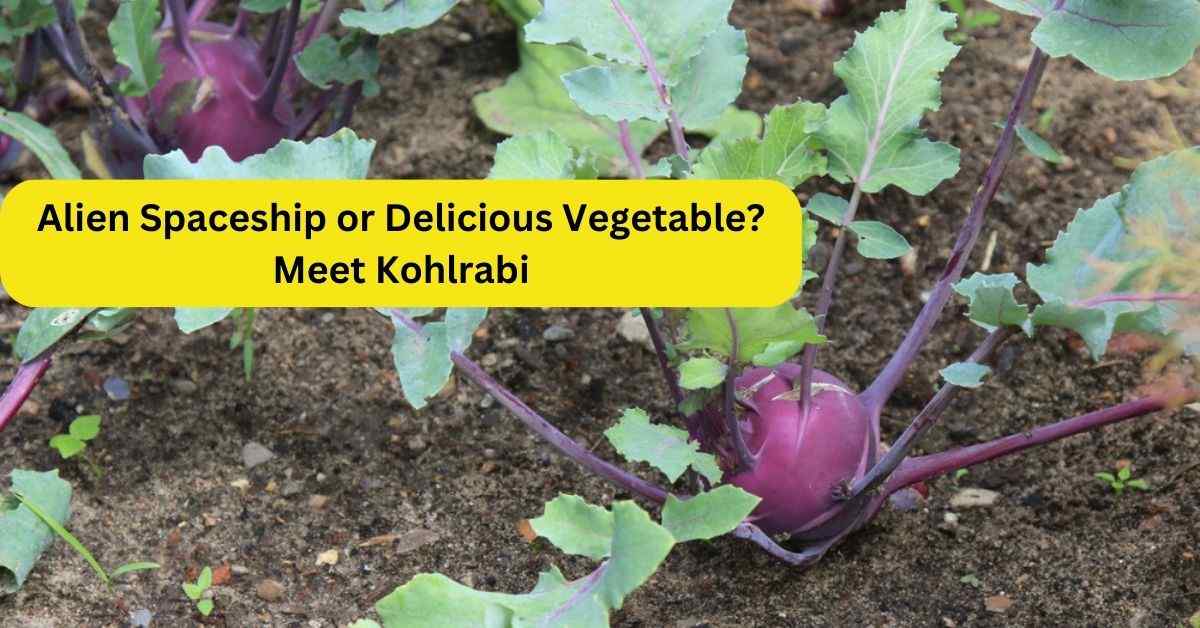
“What on earth is that?” she asked, pointing at what looked like little green aliens sprouting from the soil.
Her neighbor laughed. “That’s kohlrabi. Best vegetable you’ve never heard of.”
The new gardener wasn’t alone. Many people walk right past kohlrabi at farmers markets. They skip over seed packets because they don’t know what to do with this strange-looking vegetable. That’s a shame, because kohlrabi is one of the easiest, fastest, and most rewarding crops you can grow.
Once you understand kohlrabi, you’ll wonder why you waited so long to try it.
This guide covers everything about kohlrabi vegetable. You’ll learn what it is, how to grow it successfully, how to harvest and store it, and plenty of ways to eat it. By the end, you’ll be ready to add this underrated vegetable to your garden.
What Is Kohlrabi?
Kohlrabi belongs to the cabbage family. Its scientific name is Brassica oleracea Gongylodes Group. That makes it a relative of broccoli, cauliflower, kale, and Brussels sprouts.
The name comes from German. “Kohl” means cabbage. “Rabi” means turnip. So kohlrabi translates to “cabbage turnip.”
Here’s the confusing part: kohlrabi isn’t a root vegetable. Many people assume the round part grows underground like a turnip. It doesn’t. That bulb is actually a swollen stem that forms above the soil.
Kohlrabi originated in Northern Europe. Gardeners have grown it since the 1500s. It remains popular in Germany, Austria, and Eastern European countries. American gardeners are just now discovering it.
What Does Kohlrabi Look Like?

Kohlrabi has one of the most unusual appearances in the vegetable world. People often describe it as looking like a “sputnik” or alien spaceship.
The edible part is a round or oval bulb that sits above the ground. Long leaf stalks extend from the bulb in all directions, giving it that spacecraft look.
Size: Best harvested at 2-4 inches in diameter. Some giant varieties grow much larger.
Color: Green or purple skin. Both types have white flesh inside.
Leaves: Large, blue-green leaves similar to collard greens. These are edible too.
What Does Kohlrabi Taste Like?
Imagine a cross between a broccoli stem and a cabbage heart. That’s kohlrabi.
The flavor is mild and slightly sweet with a gentle peppery note. Raw kohlrabi has a crisp, juicy texture like a water chestnut or jicama.
When cooked, kohlrabi becomes tender and slightly sweeter. It works in stir-fries, soups, mashes, and roasted dishes.
Green and purple varieties taste exactly the same. The color difference is only skin deep.
A gardener from our club grows kohlrabi every spring specifically for her kids. “They eat it raw like apple slices,” she told me. “It’s the only vegetable they actually ask for.”
Kohlrabi Vegetable Varieties
Green Kohlrabi Varieties

Early White Vienna: The classic variety. Ready in about 55 days. Reliable and easy to find.
Winner: Sweet flavor and slow to turn woody. Good choice for beginners.
Grand Duke: Fast-maturing hybrid. Produces uniform bulbs.
Kossak: Giant variety that grows up to 10 inches without getting tough.
Purple Kohlrabi Varieties

Early Purple Vienna: Heirloom classic with deep purple skin. Ready in 60 days.
Azur Star: Beautiful deep purple color with excellent flavor.
Purple varieties tend to be more cold-tolerant than green types. They’re great for fall gardens.
Choosing the Right Variety
For spring planting, choose fast-maturing varieties like Early White Vienna. You want bulbs ready before summer heat arrives.
For fall planting, any variety works. The cooler temperatures keep plants happy longer.
For containers, stick with standard-sized varieties. Giant types need more root space.
Growing Kohlrabi: Getting Started
Ideal Growing Conditions
Kohlrabi is a cool-season crop. It grows best when temperatures stay between 60-70°F.
The plant tolerates light frost. In fact, a little cold weather sweetens the flavor. Heat is the enemy. Prolonged warm temperatures cause bolting and woody texture.
Sun: Full sun (6-8 hours). Partial shade is acceptable in warm weather.
Soil: Fertile, well-draining soil with plenty of organic matter. pH 6.0-7.5.
Water: Consistent moisture is key. Uneven watering causes tough, woody bulbs.
When to Plant
Spring planting: Start seeds indoors 4-6 weeks before your last frost date. Or direct sow 3-4 weeks before last frost.
Fall planting: Sow seeds 6-10 weeks before your first expected frost. Fall-grown kohlrabi often tastes better than spring crops.
Avoid midsummer planting in most regions. The heat causes problems.
Gardeners in the Pacific Northwest and cool coastal areas can often grow kohlrabi through summer. Those in Texas, Arizona, or the Deep South should focus on fall and winter growing.
Spacing
Plant kohlrabi 4-6 inches apart in rows 12-18 inches apart.
In square foot gardens, plant 4-9 kohlrabi per square foot depending on variety size.
Proper spacing prevents competition that stunts bulb development.
How to Plant Kohlrabi

Starting Seeds Indoors
Start seeds indoors 4-6 weeks before transplanting outdoors.
- Fill containers with seed starting mix
- Plant seeds ¼ inch deep
- Keep soil temperature 55-75°F
- Seeds germinate in 5-10 days
- Provide plenty of light once sprouted
- Thin to one seedling per cell
Harden off seedlings for 7-10 days before transplanting. Set them outside for increasing amounts of time each day.
Direct Sowing Outdoors
Direct sowing works well for kohlrabi, especially for fall crops.
Wait until soil temperature reaches at least 40°F. Warmer soil (60-65°F) produces faster germination.
Sow seeds ¼ to ½ inch deep. Space about 1 inch apart initially. Thin seedlings to 4-6 inches apart when they’re 2 inches tall.
Keep soil consistently moist during germination. Dry soil prevents seeds from sprouting.
Transplanting Seedlings
Transplant when seedlings are 3-4 inches tall with 4-5 true leaves.
Plant at the same depth they grew in their containers. Planting too deep can cause stem rot.
Water thoroughly after transplanting. Apply 2-3 inches of mulch around plants.
Protect young transplants from cutworms by placing cardboard collars around stems.
Container Growing
Kohlrabi grows well in containers. The shallow root system doesn’t need deep pots.
Use containers at least 8 inches deep and 12 inches wide. This accommodates 3-4 plants.
Container kohlrabi needs more frequent watering than garden plants. Check soil moisture daily.
Kohlrabi Plant Care
Watering
Consistent moisture produces the best kohlrabi. Aim for 1-1.5 inches of water per week.
Deep watering beats frequent shallow watering. It encourages roots to grow down rather than staying near the surface.
Uneven watering causes major problems. Too dry, then too wet? You’ll get woody, cracked bulbs.
Mulching helps maintain even moisture. A 2-3 inch layer of straw or shredded leaves works well.
Fertilizing
Kohlrabi is a moderate feeder. It doesn’t need as much fertilizer as heavy-feeding brassicas like broccoli or cauliflower.
Work compost into the soil before planting. This provides a good nutrient base.
Side-dress with balanced fertilizer once bulbs start forming. Use a 10-10-10 formula or organic fish emulsion.
Avoid too much nitrogen. Excess nitrogen produces lots of leaves but small bulbs.
Thinning
Thinning is one of the most important steps for good kohlrabi.
When seedlings are 2-3 inches tall, thin to 4-6 inches apart. Crowded plants produce tiny, tough bulbs.
Don’t waste the thinnings. Young kohlrabi leaves make excellent additions to salads or stir-fries.
Kohlrabi Companion Planting
Good Companions
Beets: Same growing conditions and timing. They make efficient bed partners.
Onions and garlic: Their smell deters many pests that attack kohlrabi.
Lettuce: Fits between kohlrabi plants for space-efficient gardening.
Herbs: Dill, thyme, and rosemary repel cabbage pests.
Plants to Avoid
Strawberries: Some gardeners report growth inhibition when planted near brassicas.
Tomatoes and peppers: Heavy feeders that compete for nutrients.
Other brassicas: Sharing space means sharing pests and diseases.
Common Kohlrabi Pests
Cabbage Worms and Loopers
These green caterpillars are the most common kohlrabi pest. You’ll often see white butterflies around your plants before the damage appears.
Look for holes in leaves and small green droppings (frass).
Prevention: Floating row covers keep butterflies from laying eggs.
Treatment: Bt (Bacillus thuringiensis) spray kills caterpillars without harming beneficial insects. Handpick for small infestations.
Aphids
Clusters of small gray-green insects on leaves. They cause stunted growth and curled leaves.
Treatment: Strong water spray knocks them off. Insecticidal soap works for heavy infestations.
Flea Beetles
Tiny jumping beetles that create shothole damage in leaves. Most damaging to young seedlings.
Prevention: Row covers protect plants. Delaying spring planting avoids peak beetle activity.
Treatment: Diatomaceous earth or neem oil.
Harvesting Kohlrabi
When to Harvest
Most kohlrabi varieties are ready in 45-60 days from transplanting.
Harvest when bulbs reach 2-3 inches in diameter. This is the sweet spot for tenderness and flavor.
Don’t wait too long. Oversized bulbs become woody and tough. The exception is giant varieties like Kossak, which stay tender at larger sizes.
A gardener I know tests kohlrabi readiness by pressing her thumbnail into the bulb. If it punctures easily, it’s ready. If the skin resists, it’s getting too old.
How to Harvest
Cut the bulb at soil level with a sharp knife. Or pull the entire plant.
Remove the leaves at harvest time. Cut them where they meet the bulb.
Handle bulbs carefully to prevent bruising. Bruised spots deteriorate quickly in storage.
Using the Leaves
Don’t throw away kohlrabi leaves. They’re edible and nutritious.
Cook them like collard greens or kale. Sauté with garlic and olive oil for a quick side dish.
Remove the tough center stems before cooking. The leaf portions cook faster and taste better.
Storing Kohlrabi
Short-Term Storage
Remove leaves before storing. They draw moisture from the bulb.
Refrigerate unwashed kohlrabi in the crisper drawer. It stays fresh for 2-4 weeks.
Wrap bulbs in a damp paper towel to prevent drying out.
Long-Term Storage
In root cellar conditions (32-40°F with high humidity), kohlrabi stores for 2-3 months.
Pack bulbs in damp sand or sawdust. Check regularly for signs of spoilage.
Giant varieties like Kossak and Superschmelz store longest.
Freezing
Kohlrabi freezes well for later cooking.
- Peel and cut into cubes
- Blanch for 2-3 minutes
- Plunge into ice bath immediately
- Drain and pack in freezer bags
- Freeze for up to 12 months
Frozen kohlrabi works best in cooked dishes. The texture softens too much for raw eating.
How to Eat Kohlrabi

Raw Kohlrabi
Raw kohlrabi shines in slaws and salads. The crisp texture holds up well with dressing.
Cut into matchsticks and serve with dip as a healthy snack. Kids often prefer kohlrabi to carrot sticks.
Spiralize kohlrabi into noodles for low-carb pasta alternatives.
Cooked Kohlrabi
Roasting: Cube kohlrabi, toss with olive oil and salt, roast at 400°F for 25-30 minutes.
Mashing: Boil until tender, mash like potatoes. A great low-carb substitute.
Stir-frying: Slice thin and cook quickly with other vegetables.
Soup: Add cubed kohlrabi to soups and stews in place of potatoes.
Fries: Cut into fry shapes, season, and bake or air-fry for healthy kohlrabi fries.
Troubleshooting Common Problems
Woody Texture
The most common complaint. Woody kohlrabi usually means you waited too long to harvest.
Other causes include inconsistent watering, heat stress, or overcrowding.
Solution: Harvest at 2-3 inches. Keep water consistent. Plant in cool weather.
No Bulb Formation
Too much nitrogen fertilizer pushes all energy into leaves instead of bulbs.
Overcrowding also prevents bulb development. Plants need space to expand.
Solution: Reduce nitrogen. Thin properly. Check sunlight levels.
Bolting
Kohlrabi bolts (goes to flower) when stressed by temperature swings or drought.
If plants experience cold weather followed by warmth, they think it’s time to reproduce.
Solution: Plant at the right time for your climate. Keep conditions stable.
Cracking
Cracks appear when watering is uneven. A dry period followed by heavy water causes rapid expansion.
Solution: Maintain consistent moisture through regular watering and mulching.
Final Thought
That new gardener from the beginning of this article? She grew kohlrabi the following spring. By summer, her kids were eating it straight from the garden like apples.
“Why don’t more people grow this?” she asked at our next meeting.
Good question. Kohlrabi deserves a spot in every vegetable garden. It’s fast, easy, productive, and delicious. Give it a try this season.