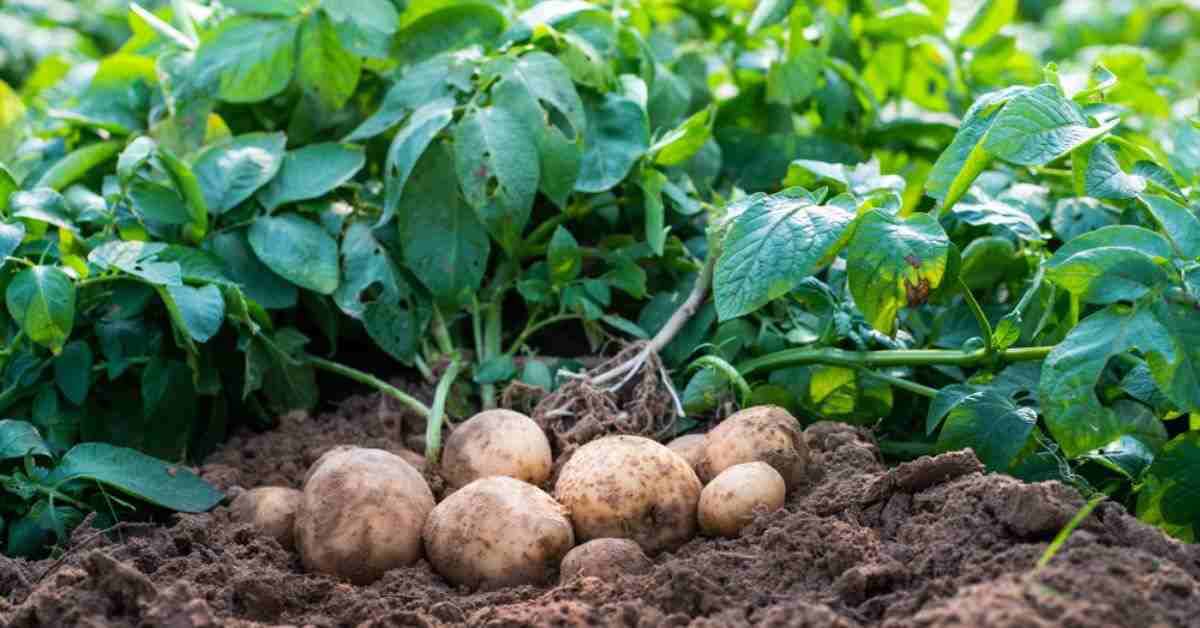
My neighbor Margaret still talks about the time she pulled her first homegrown potato from the soil. She was 67 years old, had gardened for decades, but had never tried potatoes. “I just stood there staring at it,” she told me. “Store-bought potatoes taste like cardboard compared to this.”
She’s right. And here’s the thing—Americans eat about 117 pounds of potatoes per person every year, yet most have never tasted a potato straight from their own garden. The difference is night and day.
Learning how to grow potatoes might be one of the most satisfying things you do as a gardener. Got a big backyard? Perfect. Only have a balcony with room for a container or two? That works too. Potatoes don’t care. They’ll grow almost anywhere if you treat them right.
This guide walks you through the whole process. Picking varieties, preparing soil,planting,care, harvest and storage. Even fixing problems when things go sideways. Whether you’re working with traditional garden beds, raised beds, or grow bags on a patio, I’ve got you covered.
Potatoes rank as the world’s fourth-largest food crop. They store well, taste great, and are easier to grow than most people think. By the time you finish reading, you’ll know exactly how to grow your own—no matter your experience level.
Understanding Potatoes Before You Plant
What Are Seed Potatoes (And Why You Need Them)

Here’s a mistake I see all the time. Someone grabs a bag of potatoes from the grocery store, cuts them up, and plants them. Then they wonder why their plants look sick or produce almost nothing.
Grocery store potatoes are treated with chemicals to stop them from sprouting on the shelf. That’s the opposite of what you want for planting.
Seed potatoes are different. They’re certified disease-free and grown specifically for planting. No chemical sprout inhibitors. No hidden diseases that could spread through your garden soil and cause problems for years.
You can find seed potatoes at garden centers, farm supply stores, or online. They cost a bit more than eating potatoes, but trust me—they’re worth every penny.
Popular Potato Varieties for Home Gardeners
Not all potatoes are the same. Some mature fast. Others take their time but store longer. Here’s how they break down:
Early Season Varieties (70-90 days) These are your quick wins. Varieties like Red Norland, Yukon Gold, and Irish Cobbler are ready in about 10-12 weeks. Great if you’re impatient like me.
Mid-Season Varieties (90-110 days) Kennebec and Red Pontiac fall into this category. They produce bigger yields than early varieties and have better storage life.
Late Season Varieties (110-135 days) Russet Burbank and Katahdin need more time, but they reward you with large potatoes that can last all winter in storage. These are the ones commercial growers favor.
How to Choose the Right Variety for Your Climate
I had a gardening buddy in Minnesota who kept trying to grow late-season Russets. His growing season was too short. The plants would freeze before the potatoes matured. Frustrating doesn’t begin to describe it.
Match your variety to your climate. Short growing season? Stick with early or mid-season types. Longer, mild seasons? You can grow anything.
Also think about what you’ll cook. Waxy potatoes like Red Norland hold their shape in soups and salads. Starchy Russets are perfect for baking and mashing. Yukon Gold sits somewhere in between—good for almost everything.
When to Plant Potatoes
Understanding Your Local Frost Dates
Potatoes can handle cool soil. Light frost? They’ll survive. But a hard freeze will kill the foliage and set back your whole crop.
Your last spring frost date is the key number here. You can find it through your local extension office or a quick online search for your zip code.
Spring Planting Timeline
Most gardeners plant potatoes 2-4 weeks before their last expected frost. The soil should be at least 45°F (7°C). Much colder than that and your seed potatoes will just sit there, possibly rotting before they sprout.
In most of the country, this means planting somewhere between late March and early May. Southern states can go earlier. Northern zones need to wait longer.
Fall Planting (For Warm Climates)
If you live in zones 9-11, spring isn’t your only option. Many growers in Florida, Texas, and Southern California plant in late summer or early fall. The milder winter gives potatoes time to mature without the scorching summer heat that can stress plants.
Signs Your Soil Is Ready for Planting
Forget the calendar for a second. Your soil tells you when it’s ready.
Grab a handful of soil and squeeze it. Does it form a ball that crumbles when you poke it? Good. You’re ready. Does it stick together like clay or drip water? If too wet. Wait a few more days.
How to Prepare for Planting Potatoes
Chitting (Pre-Sprouting) Your Seed Potatoes
Chitting sounds fancy, but it’s simple. You’re just encouraging your seed potatoes to sprout before planting.
Set your seed potatoes in a cool, bright spot (not direct sun) with the end that has the most “eyes” facing up. Egg cartons work great for this. After 2-4 weeks, you’ll have short, stubby sprouts—about ½ to 1 inch long.
Why bother? Chitted potatoes get a head start. They emerge faster and often produce higher yields. It’s not required, but I always do it.
Preparing Your Soil for Potatoes
Potatoes want loose, well-draining soil. If your soil is heavy clay, they’ll struggle. Sandy loam? Perfect.
Ideal Soil pH and Composition Aim for a pH between 5.0 and 6.5. Slightly acidic soil helps prevent scab, a common potato disease. A simple soil test from your extension office or a home kit will tell you where you stand.
Soil Amendments and Fertilizers Work in 2-4 inches of compost before planting. Potatoes are heavy feeders. They’ll thank you for the extra organic matter.
Avoid fresh manure—it can cause scab and burn your plants. Well-aged compost or rotted manure from last year is fine.
Tools and Supplies You’ll Need
Nothing fancy required:
- Shovel or garden fork
- Rake
- Hoe (for hilling later)
- Seed potatoes
- Compost
- Mulch (straw works great)
Cutting Seed Potatoes: When and How
Small seed potatoes (golf ball sized or smaller) can go in whole. Larger ones should be cut into pieces, each with 2-3 eyes.
Here’s the important part: let cut pieces heal for 1-2 days before planting. This creates a callus that protects against rot. Skip this step and you risk losing seed pieces to disease.
How to Plant Potatoes Step-by-Step
Traditional In-Ground Planting Method
Dig a trench about 4-6 inches deep. Place seed potatoes cut-side down, eyes facing up, about 12 inches apart. Cover with 3-4 inches of soil. That’s it.
Rows should be 30-36 inches apart. This gives you room to hill later and prevents plants from competing for nutrients.
Raised Bed Potato Planting
Raised beds warm up faster in spring, drain better, and are easier on your back. Use the same spacing as in-ground planting. The main difference? You can plant a bit earlier since raised bed soil warms up quicker.
Trench Method vs. Hill Method
Trench method: Start with a deep trench, plant at the bottom, and fill in gradually as plants grow.
Hill method: Plant at soil level and mound soil up around plants as they grow.
Both work well. The trench method is better for hot, dry climates because roots stay cooler and moister. Hilling works great in wetter areas where drainage matters more.
Proper Spacing and Depth Guidelines
- Seed potato pieces: 12 inches apart
- Rows: 30-36 inches apart
- Planting depth: 3-4 inches
- Final hill height: 6-8 inches above soil line
How to Grow Potatoes in Containers

Best Containers for Growing Potatoes
No garden? No problem. A guy I know grows all his potatoes on his apartment balcony in downtown Chicago. Gets enough for himself and his neighbors.
Grow Bags Fabric grow bags are my favorite. They drain well, prevent overheating, and roots can air-prune themselves. 10-15 gallon bags work best.
Large Pots and Buckets Any container at least 15 inches deep and 15 inches wide will work. Drill drainage holes in the bottom if there aren’t any.
Potato Towers Wire cylinders lined with straw. You add soil as plants grow. They look cool and can produce impressive yields in small spaces.
Container Soil Mix Recipe
Don’t use garden soil in containers—it compacts and drains poorly. Mix:
- 50% potting soil
- 30% compost
- 20% perlite or coarse sand
Light, fluffy, and drains fast. Exactly what potatoes want.
Step-by-Step Container Planting Guide
- Fill container with 4-6 inches of soil mix
- Place 2-4 seed potatoes (depending on container size)
- Cover with 4 inches of soil
- Water thoroughly
- Add more soil as plants grow (just like hilling)
- Stop adding soil when you reach 2-3 inches from the rim
Advantages and Limitations of Container Growing
Pros: No tilling, fewer pest problems, easy harvest, grows anywhere
Cons: Need more frequent watering, smaller yields per plant, soil mix costs money
Caring for Your Potato Plants
Watering Requirements and Schedule
Potatoes need consistent moisture—about 1-2 inches per week. Irregular watering causes problems like hollow heart and knobby potatoes.
The most critical time? When flowers appear. That’s when tubers are forming. Let plants dry out now and you’ll get smaller potatoes.
How to Hill Potatoes (And Why It Matters)
Hilling means mounding soil around your potato plants as they grow. It serves three purposes:
- Covers developing tubers so they don’t turn green (green = toxic)
- Gives more underground space for potatoes to form
- Smothers weeds
When plants are 6-8 inches tall, mound soil up to cover half the plant. Repeat 2-3 times through the season.
Fertilizing Your Potato Plants
Side-dress with compost or a balanced fertilizer when plants are about 6 inches tall. Go easy on nitrogen—too much gives you beautiful leaves but tiny potatoes.
Mulching for Moisture and Weed Control
A 4-6 inch layer of straw or hay does wonders. Keeps soil cool, retains moisture, and suppresses weeds. Some people grow potatoes entirely in straw with almost no soil at all.
Recognizing Healthy Potato Plant Growth
Healthy potato plants are bushy with dark green leaves. Flowers appear mid-season (though not all varieties bloom). Yellowing lower leaves are normal as plants mature. Yellowing everywhere? Something’s wrong.
Common Potato Pests and Diseases
Identifying Common Potato Pests
Colorado Potato Beetle Round, striped beetles that can destroy a crop fast. The larvae are even worse—reddish grubs with black spots that eat leaves down to stems.
Aphids Tiny green or black insects that cluster on stems and undersides of leaves. They spread viruses.
Wireworms Thin, brown worms that tunnel through tubers. More common in newly tilled grass areas.
Recognizing Potato Diseases
Early Blight Brown spots with rings (like a target) on lower leaves. Works its way up the plant.
Late Blight This is the infamous disease that caused the Irish Potato Famine. Gray-green water-soaked spots that turn brown and spread rapidly in wet weather.
Scab Rough, corky patches on potato skins. Ugly but doesn’t affect eating quality much.
Organic Pest and Disease Control Methods
Hand-pick beetles and larvae daily. Spray aphids off with a strong stream of water. Neem oil and spinosad work on many pests.
For diseases, remove and destroy infected leaves immediately. Never compost diseased plants.
Prevention Strategies for Healthy Crops
Rotate crops—don’t plant potatoes (or tomatoes, peppers, eggplant) in the same spot for 3-4 years. Good air circulation helps prevent fungal problems. Water at the base, not overhead.
How to Grow Potatoes Organically
Organic Seed Potato Selection
Start with certified organic seed potatoes. This ensures no synthetic chemicals were used in their production.
Natural Soil Amendments and Fertilizers
Compost, aged manure, bone meal, and kelp meal all work well. Fish emulsion makes a great side-dressing once plants are growing.
Companion Planting for Potatoes
Horseradish at the corners of your potato patch may repel Colorado potato beetles. Beans fix nitrogen. Marigolds deter many pests.
Avoid planting near tomatoes—they share diseases. Same goes for other nightshades.
Organic Pest Management Techniques
Floating row covers keep beetles out (remove when plants flower for pollination). Beneficial insects like lacewings and ladybugs eat aphids. Diatomaceous earth scratches soft-bodied pests.
When and How to Harvest Potatoes
Signs Your Potatoes Are Ready to Harvest
For new potatoes: harvest when flowers bloom (about 2-3 weeks after flowering begins)
For mature potatoes: wait until foliage turns yellow and dies back
Harvesting New Potatoes vs. Mature Potatoes
New potatoes are small, thin-skinned, and don’t store well. But they taste amazing and melt in your mouth. Harvest just enough for a meal or two.
Mature potatoes have thicker skins. They store for months if cured properly.
Proper Harvesting Techniques (Avoiding Damage)
Use a garden fork, not a shovel. Start about a foot from the plant and work inward. Go slow. Damaged potatoes rot fast and won’t store.
I once got impatient and sliced through half my crop with a sharp spade. Don’t be me.
Tools for Harvesting Potatoes
- Garden fork (best choice)
- Hands (for containers and loose soil)
- Potato hook (if you grow a lot)
Storing Your Potato Harvest
Curing Potatoes After Harvest
Spread potatoes in a single layer in a dark, well-ventilated spot. Temperature around 45-60°F is ideal. Let them cure for 1-2 weeks. This toughens the skin and heals small wounds.
Ideal Storage Conditions
Cool (38-45°F), dark, and humid. A basement, root cellar, or unheated garage often works. Never refrigerate—cold turns starch to sugar and changes the taste.
How Long Will Homegrown Potatoes Last?
Properly cured and stored late-season varieties can last 4-6 months. Early varieties are better eaten within 1-2 months.
Signs of Spoilage to Watch For
Soft spots, sprouting, green coloring, wrinkled skin, or any musty smell means it’s time to toss them. Check stored potatoes monthly and remove any that are going bad before they affect others.
Troubleshooting Common Potato Growing Problems
Why Are My Potatoes Small?
Usually comes down to one of three things: not enough water during tuber formation, plants too close together, or harvesting too early. Also, overfertilizing with nitrogen gives you big plants but small potatoes.
What Causes Green Potatoes?
Sunlight exposure. Green potatoes contain solanine, which is toxic. Hill properly and mulch well to keep tubers covered. Cut off green parts before eating—or toss the whole potato if it’s green throughout.
Why Did My Potato Plants Die Early?
Could be disease, drought stress, or heat. Late blight can kill plants within days if conditions are right. Extremely hot weather (above 90°F for extended periods) can also cause early die-back.
How to Fix Hollow Heart in Potatoes
Hollow heart happens when potatoes grow too fast—usually from heavy rain after dry spells or uneven watering. Keep moisture consistent throughout the season. It won’t hurt the potato; just cut out the hollow part.
Conclusion
Growing potatoes is one of those things that gets easier every year. Your first season, you’re figuring things out. By your third or fourth, you’ll wonder why you ever bought potatoes from a store.
Start small. Plant a few seed potatoes this season. See how it goes. Next year, you’ll probably want to triple your harvest.
And when you pull that first potato from the ground—dirt still clinging, skin impossibly fresh—you’ll understand why Margaret couldn’t stop talking about it. Some things you just have to experience for yourself.