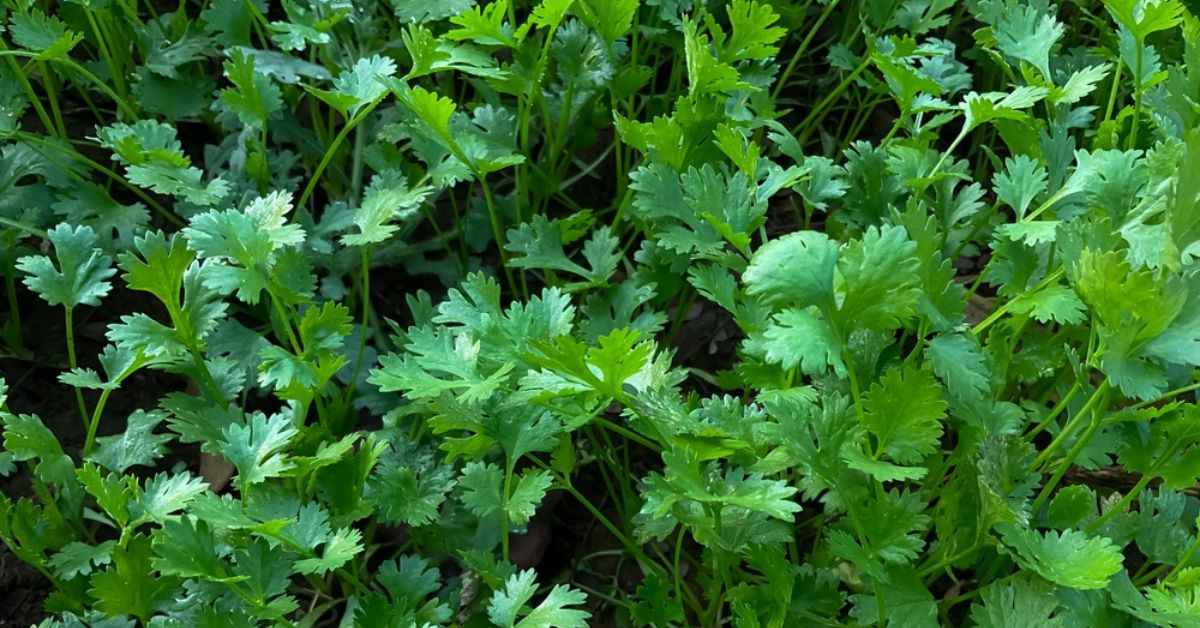
Last summer, a frustrated gardener from our community plot showed me her cilantro. In just one week of hot weather, her beautiful leafy plants had shot up into tall stalks covered in tiny white flowers.
“I turned my back for five days,” she said. “Five days! And now it’s useless.”
She wasn’t wrong about the timing. Cilantro bolts fast. One day you have a lush, fragrant herb. The next day you have a leggy plant racing toward seed production. The leaves turn bitter. The stems become tough. Your cilantro dreams are over.
But here’s the good news: bolting is preventable. Once you understand why cilantro bolts and how to grow cilantro properly, you can harvest fresh leaves for weeks instead of days.
This guide covers everything you need to know about growing cilantro successfully. You’ll learn the best planting times, ideal conditions, container growing, indoor options, and most importantly, how to keep your plants from bolting before you get a decent harvest.
Understanding Cilantro: The Basics
What Is Cilantro?

Cilantro (Coriandrum sativum) is an annual herb in the carrot and parsley family. It’s native to the Mediterranean and Middle East regions.
Every part of this plant is edible:
- Cilantro: The fresh leaves and stems
- Coriander: The dried seeds
- Roots: Used in Thai and Asian cooking
People have grown cilantro for over 3,000 years. It’s one of the oldest cultivated herbs on record.
The plant grows quickly. Under good conditions, you can harvest leaves just 3-4 weeks after planting. But that speed comes with a catch: cilantro is equally fast to bolt when conditions turn unfavorable.
Why Cilantro Bolts (And Why It Matters)
Bolting means the plant shifts from leaf production to flower and seed production. It’s a survival response.
When cilantro senses stress or the end of its preferred season, it rushes to produce seeds before it dies. This is smart for the plant but frustrating for gardeners who want leaves.
What triggers bolting:
- Sustained temperatures above 75°F
- Long day length (14+ hours of daylight)
- Root disturbance from transplanting
- Water stress (too much or too little)
- Overcrowding
- Age of the plant
Once cilantro bolts, it cannot return to leaf production. The leaves become sparse and bitter. The plant puts all its energy into making seeds.
Understanding this is key. You can’t fight bolting after it starts. You have to prevent it from happening.
How to Prevent Cilantro from Bolting
Choosing Slow-Bolt Varieties
Not all cilantro is equal. Some varieties resist bolting much longer than standard types.
Best slow-bolt varieties:
- Calypso: The most bolt-resistant variety available
- Slow Bolt/Longstanding: Reliable choice for warm climates
- Santo: Good bolt resistance with excellent flavor
- Leisure: Bred specifically for hot climates
Variety selection is your first line of defense. Standard cilantro varieties bolt fast. Slow-bolt types give you weeks of extra harvest time.
Optimal Planting Times
Timing beats everything else. Plant cilantro when temperatures favor it.
Spring: Get seeds in early. Established plants handle warming temperatures better than seedlings.
Fall: Start 6-10 weeks before first frost. Cooling temperatures work in your favor.
Skip midsummer: In most regions, July-August cilantro fails. Don’t waste the effort.
Cultural Practices to Delay Bolting
Keep soil consistently moist. Water stress accelerates bolting.
Mulch heavily. Cool roots mean slower bolting.
Provide afternoon shade. Even 2-3 hours of shade helps in hot weather.
Harvest regularly. Cutting leaves delays flowering.
Avoid transplanting. Direct sow to prevent root stress.
Use shade cloth. 30-50% shade cloth during hot spells extends harvest.
What to Do When Cilantro Bolts
Despite your best efforts, some plants will bolt. That’s okay.
When bolting starts:
- Harvest all remaining usable leaves immediately
- Let the plant flower if you want coriander seeds
- Allow some plants to self-seed for future crops
- Remove bolted plants to make room for fresh plantings
The flowers attract beneficial pollinators. The seeds are coriander, a useful spice. Even bolted cilantro has value.
When to Plant Cilantro
Best Seasons for Growing Cilantro
Cilantro is a cool-season herb. It grows best when temperatures stay between 50-70°F.
Spring planting: Start 2-3 weeks before your last frost date. Get cilantro established before summer heat arrives.
Fall planting: Often the most successful season for cilantro. Cooling temperatures mean plants bolt much slower. Many gardeners consider fall their “cilantro season.”
Winter growing: Works in mild climates (zones 8-10) and indoors. Cilantro actually handles light frost down to 28°F.
Summer: The hardest time to grow cilantro. Most gardeners skip it entirely or use heavy shade and bolt-resistant varieties.
A gardener in Phoenix told me she gave up on spring cilantro entirely. “I only grow it from October through March,” she said. “Any other time is just wasting seeds.”
Planting Calendar by Region
Northern climates (Zones 3-5): Plant spring crops in April-May. Plant fall crops in August-September.
Temperate climates (Zones 6-7): Extended spring and fall windows. March-May and September-October work well.
Southern climates (Zones 8-10): Focus on fall through spring. October-March is prime cilantro season.
Desert Southwest: Winter growing only. Plant November-February when temperatures are mild.
Pacific Northwest: Nearly year-round potential. Cool, cloudy weather suits cilantro perfectly.
How to Grow Cilantro from Seed
Seed Selection and Preparation
Buy fresh seeds. Cilantro seeds lose viability quickly. Seeds more than 2 years old may germinate poorly.
You can speed up germination by:
- Soaking seeds in water for 12-24 hours before planting
- Gently crushing seeds with a rolling pin (the seed is actually two seeds in one husk)
Store unused seeds in a cool, dry, dark place.
Direct Sowing Cilantro Seeds
Here’s the most important advice in this article: Direct sow cilantro. Don’t transplant it.
Cilantro has a long taproot. It hates being moved. Transplanting often triggers immediate bolting.
How to direct sow:
- Wait until soil temperature reaches 55-68°F
- Plant seeds ¼ to ½ inch deep
- Space seeds 1-2 inches apart
- Keep rows 12-15 inches apart
- Water gently and keep soil consistently moist
- Expect germination in 7-14 days
For continuous harvest, plant new seeds every 2-3 weeks. This succession planting keeps fresh cilantro coming even as older plants bolt.
Ideal Growing Conditions for Cilantro
Sunlight Requirements
In cool climates, cilantro wants 6-8 hours of full sun.
In hot climates, afternoon shade is your friend. Morning sun with afternoon shade works perfectly. This keeps plants cooler and delays bolting.
Too little light produces leggy, weak plants. But too much hot sun in summer triggers bolting within days.
Soil Requirements
Cilantro needs well-draining soil rich in organic matter.
Ideal pH: 6.2-6.8 (slightly acidic to neutral)
The soil should be loose enough for the taproot to develop. Work compost into your bed before planting.
Heavy clay soil holds too much moisture and compacts around roots. Amend with compost and sand if you have clay.
Temperature and Climate
Optimal range: 50-70°F
Bolting trigger: Sustained temperatures above 75°F
Frost tolerance: Handles light frost (28-32°F)
Temperature is the biggest factor in cilantro success. When a heat wave hits, even healthy plants can bolt in 2-3 days.
Create microclimates in your garden. Plant cilantro on the north side of taller crops. Use shade cloth during hot spells. Mulch heavily to keep soil cool.
Spacing
Individual plants: 4-6 inches apart
Row spacing: 12-15 inches
Square foot gardening: 4-9 plants per square foot
Overcrowding creates competition stress that accelerates bolting. Give plants room to breathe.
How to Grow Cilantro in Containers
Container Selection
Cilantro’s taproot needs depth. Choose containers at least 8-10 inches deep.
Width of 12+ inches allows multiple plants per pot.
Drainage holes are non-negotiable. Cilantro roots rot quickly in soggy soil.
Terra cotta pots breathe well but dry out faster. Plastic retains moisture longer. Both work if you adjust watering accordingly.
Potting Mix for Container Cilantro
Use high-quality potting mix, not garden soil. Garden soil compacts in containers and drains poorly.
Look for mixes with good drainage and moisture retention. Add perlite if the mix seems heavy.
Container Care Differences
Container cilantro needs more frequent watering than in-ground plants. Check soil moisture daily in warm weather.
Fertilize container cilantro every 2-3 weeks with diluted liquid fertilizer. Potting mix has limited nutrients compared to garden soil.
The biggest container advantage? You can move pots. When a heat wave approaches, move containers to a shaded spot.
How to Grow Cilantro Indoors
Indoor Growing Requirements
Growing cilantro indoors is possible but challenging. The plant prefers outdoor conditions.
Light: South-facing window with 6+ hours of direct light. Most windowsills don’t provide enough.
Temperature: 60-70°F is ideal. Keep away from heating vents and radiators.
Air circulation: Indoor air is often too still. A small fan helps prevent disease.
Supplemental Lighting
Most indoor cilantro needs grow lights. Natural window light usually isn’t enough.
LED grow lights work well and run cool. Position lights 6-12 inches above plants.
Run lights 12-14 hours daily. Use a timer for consistency.
Signs of insufficient light include:
- Pale leaves
- Stretched, leggy stems
- Slow growth
- Weak flavor
Managing Indoor Challenges
Indoor cilantro tends toward leggy growth. Rotate containers regularly for even development.
Overwatering is common indoors. Let the top inch of soil dry before watering again.
Watch for aphids and fungus gnats. Indoor pests spread fast without natural predators.
Be realistic about indoor yields. You’ll get less cilantro indoors than outdoors. Many gardeners grow just enough for occasional harvesting.
Cilantro Plant Care
Watering Properly
Consistent moisture is key. Water stress triggers bolting.
Water when the top inch of soil feels dry. Water deeply, not just on the surface.
Morning watering is best. It gives leaves time to dry before evening, reducing disease risk.
Signs of underwatering: Wilting, dry leaves, premature bolting
Signs of overwatering: Yellow leaves, root rot, mushy stems
Mulching helps maintain even moisture between waterings.
Fertilizing Cilantro
Cilantro is a light feeder. Too much fertilizer, especially nitrogen, can actually trigger faster bolting.
Work compost into soil before planting. This provides sufficient nutrients for most crops.
If plants look pale or stunted, apply diluted balanced fertilizer every 2-3 weeks.
Container cilantro needs more regular feeding since nutrients wash out with watering.
Mulching Benefits
Mulch is your secret weapon against bolting. It keeps soil cool and retains moisture.
Apply 2-3 inches of organic mulch (straw, shredded leaves, grass clippings) around plants. Keep mulch away from stems to prevent rot.
In hot weather, mulched cilantro lasts significantly longer than unmulched plants.
Common Cilantro Pests and Diseases
Pests
Aphids: Small clusters of insects on leaves and stems. Spray off with water or use insecticidal soap.
Leafhoppers: Cause stippled, yellowing leaves. Row covers prevent them.
Spider mites: Tiny pests in dry conditions. Increase humidity and spray plants regularly.
Diseases
Powdery mildew: White powder on leaves in humid conditions. Improve air circulation.
Damping off: Seedlings collapse at soil level. Avoid overwatering and use sterile soil.
Root rot: Brown, mushy roots from overwatering. Improve drainage.
Most cilantro problems come from cultural issues rather than serious pest or disease pressure. Proper watering and spacing prevent most issues.
Harvesting Cilantro
When to Harvest
Begin harvesting when plants are 4-6 inches tall, typically 3-4 weeks after germination.
Harvest in the morning for the best flavor. Essential oils are most concentrated before the heat of the day.
Check plants every few days. Cilantro grows fast and can bolt between inspections.
How to Harvest for Continuous Growth
Use the cut-and-come-again method:
- Cut outer leaves first, leaving inner leaves to grow
- Cut stems 1-2 inches from the base
- Never remove more than one-third of the plant at once
- Leave the center growing point intact
This encourages bushier growth and delays bolting. Plants harvested regularly produce longer than unharvested plants.
Conclusion
That frustrated gardener from my community plot? She came back the following fall with a new approach. She planted slow-bolt Calypso variety, used shade cloth, mulched heavily, and harvested every few days.
Her fall cilantro lasted eight weeks before bolting. “Same garden, totally different results,” she said.
That’s the secret to growing cilantro: work with the plant’s preferences instead of fighting them. Plant at the right time, keep things cool, and harvest often. Your cilantro will reward you with plenty of fresh leaves before it ever thinks about bolting.