
What if you could see your whole garden from the sky? I mean, really see it. Not just the pretty flowers, but the dry patch behind the shed, the early signs of a bug problem on your tomatoes, and the spot where the soil just isn’t right.
That’s not a dream anymore. It’s what drones for precision farming are doing right now.
I remember talking to a guy, Mr. Sharma, who has a big commercial nursery on the outskirts of the city. He was losing sleep over a weird yellowing on his prize-winning marigolds. He was about to spray his whole crop, which is expensive and not great for the earth. Then, a friend with a drone flew over. The pictures from the drone showed him the problem wasn’t everywhere. It was just in one corner where a water pipe was leaking, making the roots sick. He fixed the pipe and only treated a few plants. He saved money, time, and his marigolds.
Stories like his are why this tech is so exciting. This article will show you how these flying helpers are changing the game for everyone who grows things.
How do drones help in precision agriculture?
Drones help in precision agriculture by collecting accurate, real-time data that improves farm management and crop productivity. They use sensors, cameras, and GPS technology to analyse fields and provide insights on soil, water, and plant health. Here’s how drones support modern farming:
- Crop Monitoring: Capture aerial images to detect pests, diseases, and nutrient deficiencies.
- Soil Analysis: Evaluate soil conditions before planting to improve seed distribution.
- Irrigation Planning: Identify water-stressed areas for precise watering.
- Fertiliser & Pesticide Application: Enable uniform spraying, reducing waste.
- Yield Estimation: Use data analytics to forecast production and optimise harvest timing.
What Is Precision Farming and Why It Matters
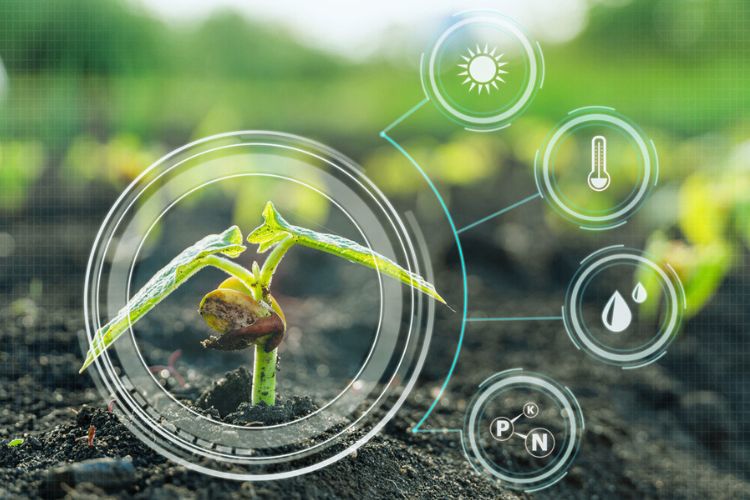
Understanding the concept of precision agriculture
Precision farming is just a fancy way of saying “giving each plant exactly what it needs.” Think about it like this. If you have a rose bush that loves sun and a fern that loves shade, you don’t water them the same way, right? You treat them differently.
Precision agriculture uses technology to do that on a big scale. The goal is simple: use less stuff (water, fertilizer, pesticides) to grow more food and better plants. It helps you stop guessing and start knowing.
The big problem it solves is waste. For years, farmers would treat a whole field the same, even though one spot might need more help than another. Drones fix that.
Evolution of agricultural technology
Farming tools have come a long way. First, we had basic tools. Then came the tractor, which was a huge change. After that, we got GPS to help guide those tractors in straight lines. Now, we have sensors and AI.
Drones are the next logical step. They are like a farmer’s eyes in the sky. They connect to other smart tech, like soil moisture sensors, to give you the full picture.
Role of Drones for Precision Farming
Data collection and mapping
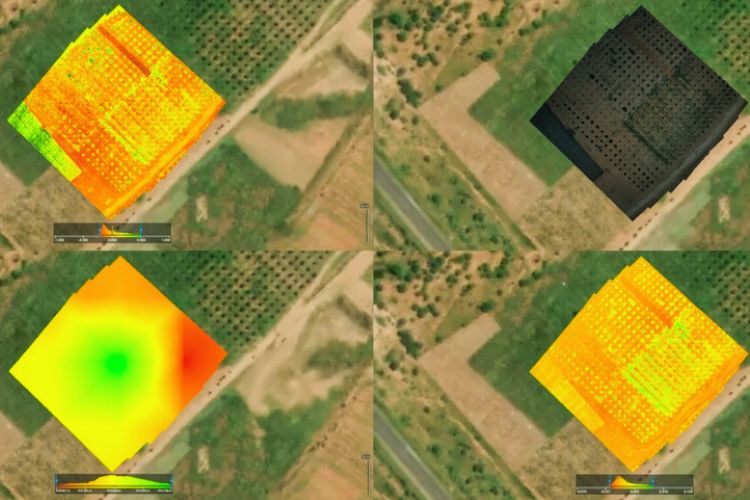
This is the big one. Drones take pictures you can’t see with your own eyes. They use a special sensor called NDVI (Normalized Difference Vegetation Index). It’s like a plant health report card.
A healthy plant reflects light in a certain way. A stressed plant reflects it differently. The drone sees this. On the map it makes, healthy plants show up as green. Stressed plants show up as red or yellow. You can see a problem before it even becomes visible to you.
Soil and field analysis
Before you even plant a seed, a drone can help. It can fly over and make a 3D map of your land. This map shows the bumps, the slopes, and the wet spots.
This tells you where your soil is good and where it might be too sandy or too compacted. You can then put your seeds in the best spots for them to grow strong. It stops you from wasting good seeds in bad dirt.
Crop health and pest management
Remember Mr. Sharma’s story? That’s this in action. A drone with a special camera can spot a fungus or a bug infestation days before you can see it with your own eyes.
This means you can spray only the plants that are sick. You don’t have to spray the whole field. I’ve heard from growers who cut their pesticide use by almost half. That’s better for the environment and their wallet.
Benefits of Using Drones in Agriculture
Increased accuracy and efficiency
A person walking a field is slow. A drone is fast. A drone can check 100 acres in less time than it takes to watch a TV show. And it’s more accurate. It doesn’t get tired and miss things.
Spraying with a drone is also super precise. It uses GPS to make sure every single plant gets the same amount of spray, with no overlap and no missed spots.
Cost savings and sustainability
Using less water, less fertilizer, and less pesticide automatically saves you money. It also means fewer chemicals run off into our water and soil. For a gardening business, this is a great story to tell your customers. People love knowing you care about the earth.
Improved decision-making
There’s an old saying: “You can’t manage what you can’t measure.” Drones let you measure everything. With good data, you can make smart choices. You can predict how much you’ll harvest. You can plan your budget better. It takes the fear out of farming.
Types of Drones Used in Precision Farming
| Type of Drone | Flight Time | Payload | Ideal For |
|---|---|---|---|
| Fixed-wing | Long | Medium | Very big farms, mapping |
| Multi-rotor | Shorter | Small | Smaller areas, spraying, photos |
| Hybrid | Medium | Medium | A mix of both jobs |
Fixed-wing drones
These look like little airplanes. They can fly for a long time and cover huge fields. They are great for taking maps and pictures.
Multi-rotor drones
These are the most common ones you see. They can hover in one spot and are really agile. They are perfect for smaller gardens, nurseries, and for spraying jobs.
Hybrid drones
These try to do a bit of both. They can take off like a helicopter but fly like a plane. They are flexible but can be more expensive.
Challenges and Limitations
It’s not all perfect. Drones have some hurdles.
- Rules: You often need a license to fly them for business. There are rules about where you can fly.
- Tech problems: Battery life is still a thing. You can’t fly for hours and hours. Rain and wind can also ground them.
- Cost: A good agricultural drone isn’t cheap. The price can be scary for a small grower. But the money it saves you often pays for it over time.
Future of Drones in Agriculture
The future is even smarter. Soon, drones will use AI to not just find a problem, but to tell you exactly what the problem is. “That’s aphids, not fungus,” it might say.
We might also see “swarms” of little drones working together like bees to cover a field super fast. In some places, like with India’s Drone Didi initiative, they are already training people to use this tech to help their communities.
Summary Table — Drones in Precision Farming
| Function | Benefit | Technology Used |
|---|---|---|
| Crop Monitoring | Find disease early | NDVI Imaging |
| Soil Mapping | Better seed placement | Multispectral Sensors |
| Irrigation Planning | Less water waste | Thermal Cameras |
| Spraying | Precise chemical use | GPS & AI |
Conclusion
So, you might not need a drone for your small backyard veggie patch. But for anyone with a big garden, a nursery, or a landscaping business, this tech is a game-changer.
It helps you stop fighting problems and start preventing them. It lets you care for your plants in a way that’s smarter, cheaper, and kinder to the planet. That’s a win for everyone.
Frequently Asked Questions
What is the main purpose of drones in precision farming?
To see the big picture. They find problems early and give you data to make the best choices for your crops.
How much does a farming drone cost?
It can be a big range. From a few thousand dollars for a basic model to over $20,000 for a high-end one with spraying tanks.
Are drones legal for agricultural use?
Yes, but you usually need special permission and a pilot’s license for commercial use. The rules are changing fast, so it’s best to check your local laws.
Can small farmers benefit from using drones?
Absolutely. Many companies now offer drone scouting as a service. You don’t have to buy the drone yourself. You can just pay for the pictures and the report.
What data do drones collect?
They collect visual pictures, infrared images (to see plant health), and data to make 3D maps of your land.