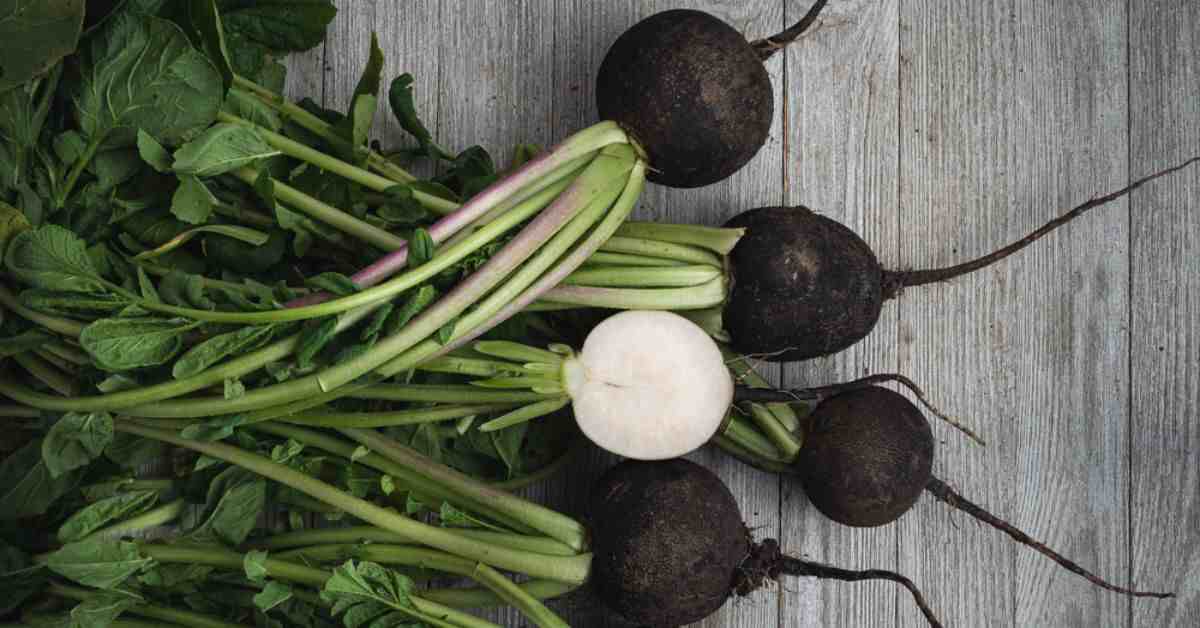
I pulled up my first black radish three years ago and almost tossed it in the compost pile. The rough, coal-colored skin looked like something had gone terribly wrong in my garden. My neighbor walked over, took one look, and laughed. “That’s not diseased,” she said. “That’s exactly what it’s supposed to look like. You just grew something special.”
She was right. That ugly black radish turned out to be one of the most flavorful vegetables I’d ever grown. It had a peppery kick that regular radishes couldn’t match, and I later learned it was packed with health benefits too.
Dark-colored vegetables contain up to 10 times more antioxidants than their lighter counterparts, according to research published in the Journal of Agricultural and Food Chemistry. Black root vegetables, in particular, are nutritional powerhouses hiding beneath their unassuming dark exteriors.
If you’ve ever discovered a strange black root at a farmers market and didn’t know what to do with it, this guide is for you. From black salsify to black carrots, these dark-skinned vegetables offer unique flavors and remarkable health benefits worth exploring.
What Is a Black Root Vegetable?
Defining Black Root Vegetables
Black root vegetables are edible plant roots with dark purple, brown, or black coloring on their skin, flesh, or both. They grow underground and store nutrients in their root structures.
The term “black” is a bit loose. Some truly look coal-black. Others appear deep purple or dark brown. What unites them is their darker-than-typical coloring compared to common vegetable varieties.
What Gives Root Vegetables Their Black Color?
Anthocyanins
These water-soluble pigments create most dark vegetable colors. Anthocyanins range from red to purple to near-black depending on concentration and pH levels. They’re the same compounds that make blueberries blue and red cabbage purple.
Melanin-Like Compounds
Some root vegetables, like black salsify, contain melanin-type compounds similar to what gives human skin its color. These develop as the vegetable matures.
Natural Oxidation
Certain roots darken through oxidation when exposed to air. Burdock root, for example, turns dark brown quickly after cutting—similar to how a cut apple browns.
Black Skin vs. Black Flesh: Understanding the Difference
Not all black root vegetables are dark throughout:
- Black skin, white flesh: Black radish, black salsify
- Black skin, purple/dark flesh: Some purple potato varieties
- Dark throughout: Black carrots, deep purple potatoes
Knowing the difference matters for cooking. A black radish with white interior cooks like a regular radish. A purple-fleshed potato may need different timing and will color your dish.
Culinary and Cultural Significance of Black Root Vegetables
These vegetables have deep roots in food traditions worldwide. German families have eaten black radish during cold seasons for centuries. French chefs prize black salsify as the “vegetable oyster” for its delicate flavor. Japanese cooks use burdock root in dozens of traditional dishes.
Many home gardeners grow black root vegetables specifically for their novelty and nutritional punch. A gardener friend in the Pacific Northwest grows black carrots every year just to see visitors’ faces when she serves them.
12 Types of Black Root Vegetables
Black Salsify (Scorzonera hispanica)

Appearance and Identification: Long, slender roots with rough black skin and creamy white flesh. Typically 6-12 inches long and about an inch thick.
Flavor Profile: Mild, slightly sweet taste often compared to oysters or artichoke hearts. Very delicate and pairs well with butter and herbs.
Origin and History: Native to southern Europe. Popular in French and Belgian cooking since the 1500s. Sometimes called “poor man’s asparagus.”
Black Radish (Raphanus sativus niger)
Appearance and Identification: Round or elongated roots with coal-black, rough skin and stark white flesh. Ranges from tennis ball to softball size.
Flavor Profile: Intensely peppery and sharp—much stronger than red radishes. The flavor mellows with cooking.
Origin and History: Originated in the Mediterranean region. Used medicinally in ancient Egypt. Popular in German and Eastern European cuisines.
Black Carrots (Daucus carota)

Appearance and Identification: Standard carrot shape with deep purple to near-black skin and purple-black flesh. Color extends through the entire root.
Flavor Profile: Sweet like regular carrots but with subtle earthy undertones. Less carrot-y than orange varieties.
Origin and History: The original carrots before orange varieties were developed in the Netherlands. Still common in Turkey and Middle Eastern countries.
You may also like 7 Tips for Growing Carrots in Raised Bed
Black Spanish Radish

Appearance and Identification: Large round roots (3-4 inches diameter) with jet-black, rough skin. White flesh is crisp and dense.
Flavor Profile: Sharp, spicy, and pungent. Stronger than regular radishes but milder when cooked.
Origin and History: Heirloom variety grown in Spain for centuries. Traditionally harvested in fall and stored through winter.
Black Turnip
Appearance and Identification: Round to slightly flattened roots with dark purple to black skin. Flesh is white or cream-colored.
Flavor Profile: Milder than regular turnips with slight sweetness. Earthy and satisfying when roasted.
Origin and History: Uncommon heirloom variety grown mainly by specialty farmers and dedicated home gardeners.
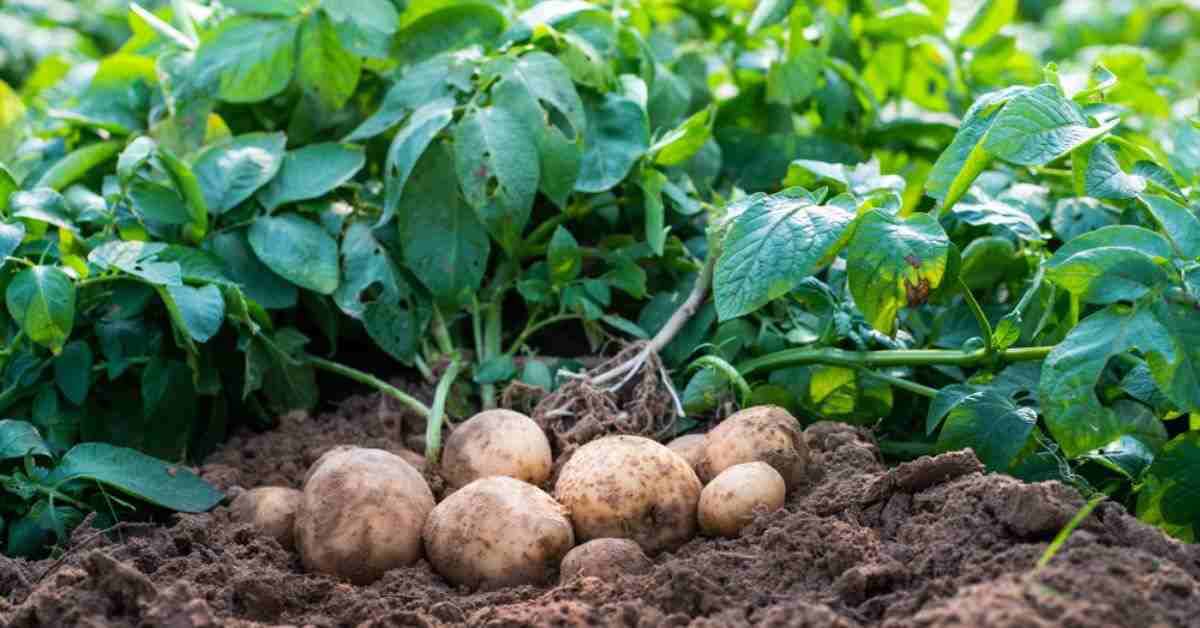
Purple/Black Potatoes
Popular Varieties: Purple Majesty, Viking Purple, All Blue, and Congo show the darkest colors.
Appearance and Identification: Standard potato shapes with deep purple to near-black skin. Flesh ranges from purple throughout to purple-ringed with white centers.
Flavor Profile: Slightly nuttier than white potatoes. Dense, creamy texture when cooked properly.
Burdock Root (Gobo)

Appearance and Identification: Very long, thin roots (up to 4 feet) with brown-black skin. Flesh is grayish-white and turns brown quickly when cut.
Flavor Profile: Earthy, mild, and slightly sweet. Crunchy when lightly cooked, tender when braised.
Origin and History: Native to Europe and Asia. Central to Japanese cuisine where it’s called “gobo.” Also used in Traditional Chinese Medicine.
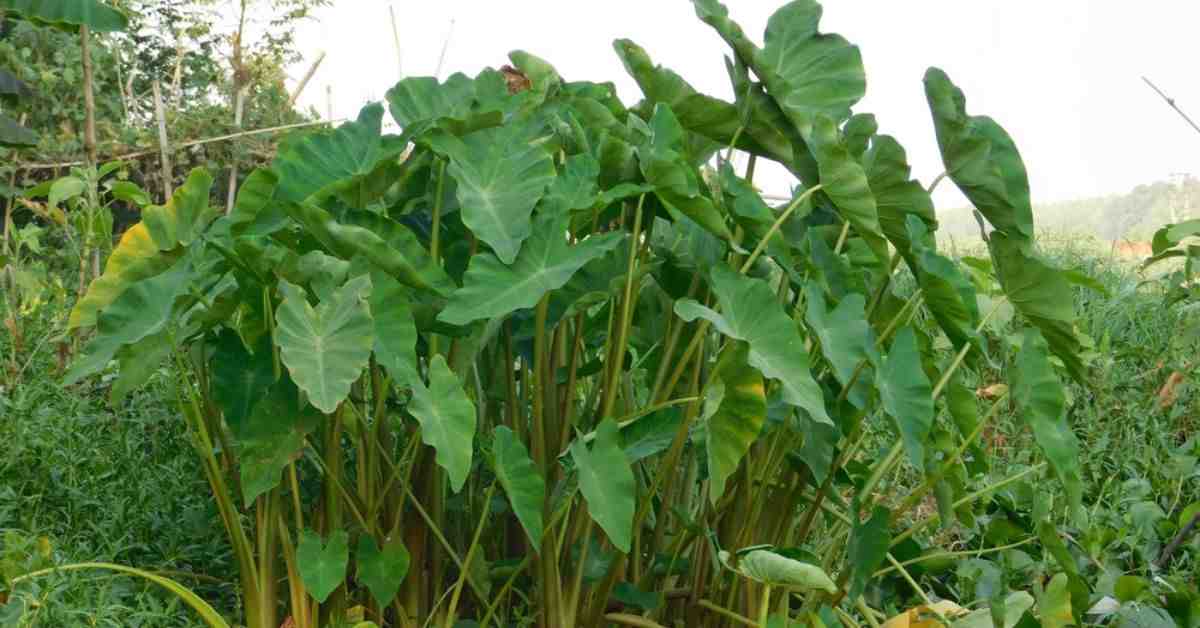
Black Taro Varieties
Appearance and Identification: Rounded corms with dark brown to purple-black hairy skin. Flesh varies from white to purple depending on variety.
Flavor Profile: Starchy and slightly nutty when cooked. Mild flavor that absorbs other ingredients well.
Origin and History: Taro is one of the oldest cultivated crops. Dark varieties are especially prized in Pacific Island and Asian cooking.
Water Chestnuts
Appearance and Identification: Small, rounded corms with dark brown to black papery skin. Flesh is bright white and stays crisp when cooked.
Flavor Profile: Mild, slightly sweet, with a distinctive crunch that survives cooking.
Origin and History: Native to Asia, particularly China. Grown in flooded fields similar to rice paddies.
Black Daikon Radish
Appearance and Identification: Long cylindrical shape like regular daikon but with dark purple-black skin. White or light purple flesh.
Flavor Profile: Milder than black Spanish radish but sharper than regular daikon.
Origin and History: Developed through selective breeding of traditional daikon varieties. Popular in specialty Asian markets.
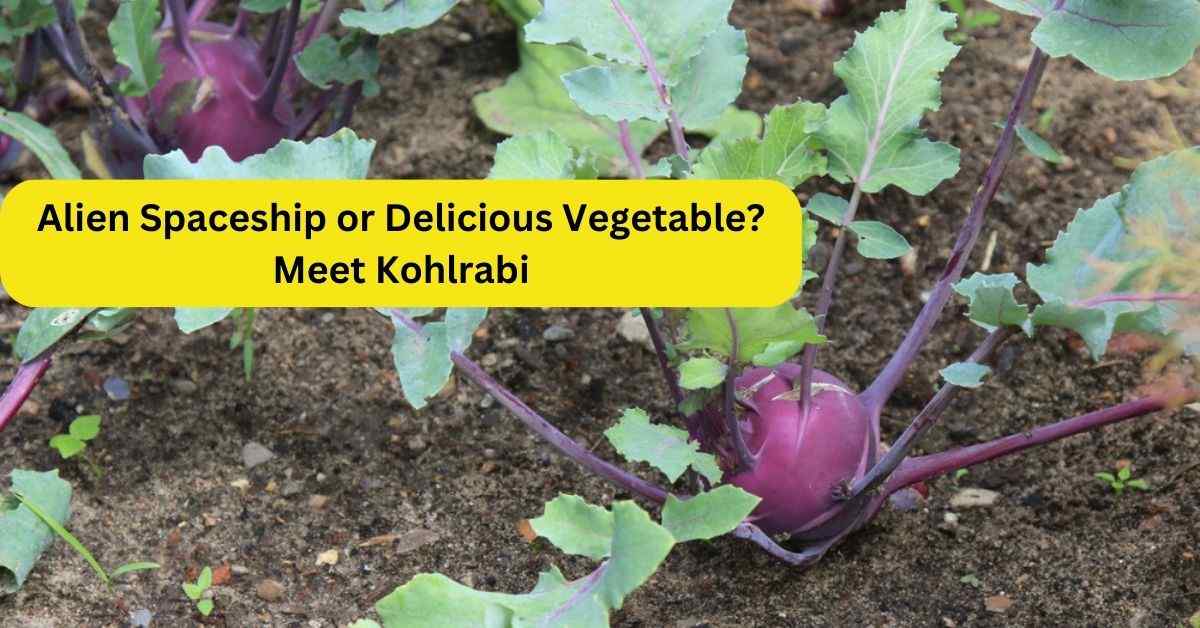
Black Kohlrabi
Appearance and Identification: Bulbous stem base with deep purple to black skin. Pale green to white flesh inside.
Flavor Profile: Mild, slightly sweet, like a cross between cabbage and turnip.
Origin and History: Developed from purple kohlrabi varieties. Relatively rare even in specialty gardens.
Chinese Yam Dark Varieties (Nagaimo)
Appearance and Identification: Long, cylindrical roots with brown to dark tan rough skin. Flesh is white and very mucilaginous when cut.
Flavor Profile: Mild, starchy, with a sticky texture. Often eaten raw in Japanese cuisine.
Origin and History: Native to China and Japan. Used both as food and in traditional medicine for centuries.
Black Root Vegetable Identification Guide
Visual Identification Chart
| Vegetable | Shape | Size | Skin Color | Flesh Color |
|---|---|---|---|---|
| Black Salsify | Long, thin | 6-12″ | Black | White |
| Black Radish | Round | 3-4″ | Coal black | White |
| Black Carrots | Tapered | 6-8″ | Deep purple | Purple-black |
| Burdock Root | Very long, thin | 12-48″ | Brown-black | Grayish-white |
| Purple Potatoes | Oval | 2-4″ | Dark purple | Purple |
| Water Chestnuts | Round, flat | 1-2″ | Brown-black | White |
Identifying by Shape and Size
- Long and thin: Black salsify, burdock root, black daikon
- Round: Black radish, water chestnuts, black Spanish radish
- Tapered: Black carrots
- Irregular/oval: Purple potatoes, taro
Identifying by Skin Texture
- Rough and bumpy: Black salsify, black radish
- Papery: Water chestnuts
- Hairy/fibrous: Taro, burdock root
- Smooth: Black carrots, purple potatoes
Common Lookalikes and How to Tell Them Apart
Black radish vs. regular turnip: Black radish has distinctive coal-black rough skin. Turnips have smoother purple/white skin.
Burdock root vs. wild parsnip: Burdock is darker with brownish skin. Parsnip is pale cream-colored. Don’t confuse them—wild parsnip can cause skin burns.
Purple potato vs. red potato: Purple potato flesh is dark throughout. Red potatoes have red skin but white flesh.
Nutritional Profile of Black Root Vegetables
Macronutrients Overview
Carbohydrates: Most black root vegetables are moderate in carbs. Potatoes and taro are higher (15-20g per 100g). Radishes are lower (2-4g per 100g).
Fiber: Black root vegetables excel here. Most provide 2-5g fiber per serving—excellent for digestive health.
Protein: Generally low (1-3g per serving), but burdock root provides more than most vegetables.
Vitamins Found in Black Root Vegetables
Vitamin C: Black radish is particularly high, providing up to 30% of daily needs per serving.
B Vitamins: Most black roots contain B6 and folate for energy metabolism.
Vitamin K: Found in darker-fleshed varieties. Supports bone health and blood clotting.
Minerals Found in Black Root Vegetables
Potassium: High across all varieties. Supports heart health and fluid balance.
Iron: Better than many vegetables, especially in black carrots and burdock root.
Manganese: Purple potatoes and burdock are excellent sources.
Antioxidants and Phytonutrients
Anthocyanins: The star compounds. Black carrots and purple potatoes are loaded with these powerful antioxidants.
Polyphenols: Present in all dark-colored varieties. Associated with reduced inflammation.
Flavonoids: Support cardiovascular health and may reduce cancer risk.
Health Benefits of Black Root Vegetables
Rich in Powerful Antioxidants
The dark pigments in these vegetables work as antioxidants in your body. They neutralize harmful free radicals that damage cells. A single serving of black carrots contains more anthocyanins than a serving of blueberries.
Support Digestive Health
The high fiber content feeds beneficial gut bacteria and promotes regular bowel movements. Black radish has traditional uses for supporting liver and gallbladder function.
May Boost Immune Function
Vitamin C and various plant compounds in black root vegetables support immune cell function. Traditional medicine systems have used black radish for respiratory health for centuries.
Support Heart Health
Potassium helps regulate blood pressure. Anthocyanins may improve blood vessel function. Fiber helps manage cholesterol levels. Together, these benefits support cardiovascular health.
May Help Regulate Blood Sugar
Despite their starchy nature, many black root vegetables have lower glycemic impact than white varieties. The fiber slows sugar absorption into the bloodstream.
Anti-Inflammatory Properties
Chronic inflammation links to many diseases. The antioxidants in dark vegetables help reduce inflammatory markers in the body.
Support Liver Detoxification
Black radish, in particular, has traditional uses for liver support. Some studies suggest compounds in black radish enhance the liver’s natural detoxification processes.
Promote Healthy Skin
Anthocyanins protect against UV damage and may slow skin aging. The vitamin C in these vegetables supports collagen production.
Where to Buy Black Root Vegetables
Farmers Markets
Your best bet for fresh, locally grown black root vegetables. Farmers who specialize in heirloom varieties often grow black radishes, purple potatoes, and black carrots. Ask vendors about availability—many will grow specific vegetables by request.
Asian and European Grocery Stores
Asian markets carry burdock root, water chestnuts, black taro, and Chinese yam year-round. European specialty stores stock black salsify and black radish, especially in fall and winter.
Health Food Stores
Whole Foods and similar stores often carry purple potatoes and occasionally black radishes. Selection varies by season and location.
Online Specialty Retailers
Several online vendors ship fresh black root vegetables nationally. You can also order seeds to grow your own. Baker Creek, Seed Savers Exchange, and Johnny’s Selected Seeds carry black vegetable varieties.
Growing Your Own Black Root Vegetables
Most black root vegetables grow well in home gardens:
- Black radishes: Easy to grow, mature in 55-70 days
- Black carrots: Require loose soil, mature in 70-80 days
- Purple potatoes: Standard potato care, mature in 90-120 days
- Burdock: Long season (120+ days), needs deep loose soil
A gardener I met at a seed swap grows black Spanish radishes every fall. She plants in August and harvests after first frost when the flavor is sweetest.
Seasonal Availability Guide
| Vegetable | Peak Season | Availability |
|---|---|---|
| Black Radish | Fall-Winter | September-March |
| Black Salsify | Fall-Winter | October-February |
| Black Carrots | Year-round | Specialty stores |
| Purple Potatoes | Fall | August-November |
| Burdock Root | Year-round | Asian markets |
| Water Chestnuts | Year-round | Asian markets (canned always) |
How to Select and Store Black Root Vegetables
How to Choose Fresh Black Root Vegetables
Signs of Freshness:
- Firm, heavy feel
- Tight, unbroken skin
- No soft spots or mushiness
- Fresh, earthy smell (not musty)
- Attached greens look fresh (if present)
What to Avoid:
- Wrinkled or shriveled skin
- Soft or spongy areas
- Cracks or cuts in skin
- Mold or fuzzy growth
- Slimy texture
Proper Storage Methods
Refrigerator Storage: Most black root vegetables keep 2-4 weeks in the refrigerator crisper drawer. Remove greens first—they draw moisture from roots.
Root Cellar Storage: Ideal for black radishes, salsify, and potatoes. Store in cool (32-40°F), humid conditions in sand or sawdust.
Freezing Options: Blanch cut vegetables for 2-3 minutes, ice bath, drain, and freeze. Works well for black carrots and burdock. Purple potatoes don’t freeze well raw but freeze fine when cooked.
How Long Do Black Root Vegetables Last?
| Storage Method | Duration |
|---|---|
| Counter | 3-5 days |
| Refrigerator | 2-4 weeks |
| Root cellar | 2-4 months |
| Frozen (blanched) | 8-12 months |
Preventing Oxidation and Browning
Burdock root and black salsify brown quickly when cut. Keep cut surfaces in acidulated water (water with lemon juice or vinegar) until ready to cook. Work quickly and cook soon after cutting.
How to Prepare and Clean Black Root Vegetables
Washing and Scrubbing Techniques
Black root vegetables often have rough, dirty skin. Use a stiff vegetable brush under running water. For stubborn dirt, soak in water for 10 minutes first.
To Peel or Not to Peel?
Peel these: Black salsify (skin is tough), burdock root (skin is bitter)
Optional peeling: Black radish (skin is edible but rough), purple potatoes (skin adds color and nutrition)
Don’t peel: Water chestnuts (peel after cooking), black carrots (skin holds anthocyanins)
Preventing Discoloration During Prep
For vegetables that oxidize quickly:
- Work fast
- Keep a bowl of acidulated water nearby
- Drop cut pieces into the water immediately
- Drain just before cooking
Cutting and Slicing Methods
- Roasting: Large chunks (1-2 inch pieces)
- Stir-frying: Thin matchsticks or half-moons
- Mashing: Small uniform cubes for even cooking
- Raw salads: Thin slices or shreds
How to Cook Black Root Vegetables
Roasting Black Root Vegetables
Step-by-Step Instructions:
- Preheat oven to 400°F
- Cut vegetables into uniform 1-inch pieces
- Toss with olive oil, salt, and pepper
- Spread in single layer on baking sheet
- Roast 25-40 minutes, turning once
- Check for fork-tender doneness
Best Vegetables for Roasting: Purple potatoes, black radish, black turnip, black salsify, black carrots
Boiling and Mashing
Step-by-Step Instructions:
- Peel and cube vegetables uniformly
- Cover with cold salted water
- Bring to boil, then simmer
- Cook until fork-tender (15-25 minutes)
- Drain and mash with butter and cream
- Season to taste
Best Vegetables for Mashing: Purple potatoes, black turnip, black taro
Sautéing and Stir-Frying
Step-by-Step Instructions:
- Cut vegetables into thin matchsticks or slices
- Heat oil in wok or skillet over high heat
- Add vegetables and cook quickly
- Toss frequently for even cooking
- Season with soy sauce, sesame oil, or your choice of sauce
- Serve immediately while still crisp
Best Vegetables for Stir-Frying: Burdock root, water chestnuts, black radish
Raw Preparations (Salads and Slaws)
Black radish works excellently raw—slice thin and toss with oil, vinegar, and salt. The peppery bite adds interest to salads. Water chestnuts add crunch to any raw vegetable dish.
Pickling and Fermenting
Black radish pickles beautifully. Quick pickle in rice vinegar and sugar, or ferment with salt for traditional Eastern European style. The black color softens to dark gray but the flavor intensifies.
Black Root Vegetables in Different Cuisines
European Cuisine
French Black Salsify Dishes: Traditionally served with béchamel sauce or simply sautéed in butter. Called “scorsonère” and treated as a delicacy in winter menus.
German Black Radish Traditions: Often served raw with salt and butter on dark bread. Also used in digestive remedies and fermented preparations.
Asian Cuisine
Japanese Burdock Root Dishes: Kinpira gobo (stir-fried burdock) is a common home-cooked dish. Also appears in miso soup and rice dishes.
Chinese Water Chestnut Uses: Added to stir-fries for crunch, wrapped in bacon as appetizers, or made into water chestnut cake (ma tai go).
Middle Eastern Cuisine
Black Carrot Juice (Shalgam): Popular fermented drink in Turkey made from black carrots, turnips, and spices. Served with kebabs and heavy meals.
Frequently Asked Questions About Black Root Vegetables
What is the most common black root vegetable?
Black radish is the most widely available black root vegetable in Western markets. Purple potatoes come in second. In Asian markets, burdock root and water chestnuts are the most common.
Are black root vegetables healthier than regular vegetables?
Research suggests dark-colored vegetables contain more antioxidants than lighter varieties. Black carrots have significantly higher anthocyanin levels than orange carrots. Purple potatoes have 2-3 times more antioxidants than white potatoes. The health benefits appear real, though eating any vegetables beats eating none.
How do you get the bitterness out of black vegetables?
Soaking in cold water for 30 minutes removes some bitterness from black radish and burdock root. Cooking also mellows sharp or bitter flavors. Adding a pinch of sugar during cooking helps balance bitterness. Peeling removes the most bitter outer layer in some varieties.
Can you eat black root vegetables raw?
Some yes, some no. Black radish, black carrots, and water chestnuts are excellent raw. Black salsify and burdock root are too fibrous and slightly bitter raw—cooking improves both. Purple potatoes must be cooked. When in doubt, cook them.
Are purple potatoes the same as black potatoes?
They’re closely related but not identical. “Black potatoes” usually refers to the darkest purple varieties like Congo or Black Congo, which appear nearly black when raw. Regular purple potatoes like Purple Majesty show a lighter purple color. Both contain anthocyanins, but the darkest varieties contain the highest concentrations.
Final Thought
Black root vegetables deserve more attention from home gardeners and cooks alike. They offer unique flavors, impressive nutrition, and the satisfaction of growing something unusual. Once you’ve tasted a properly roasted black salsify or a peppery black radish salad, you’ll understand why these vegetables have been treasured for centuries.
Start with one variety that appeals to you. Try purple potatoes from your local farmers market or grow a row of black radishes this fall. These dark beauties might just become your new favorites.