
Introduction to Cherimoya vs Sugar Apple vs Custard Apple
What are Cherimoyas?
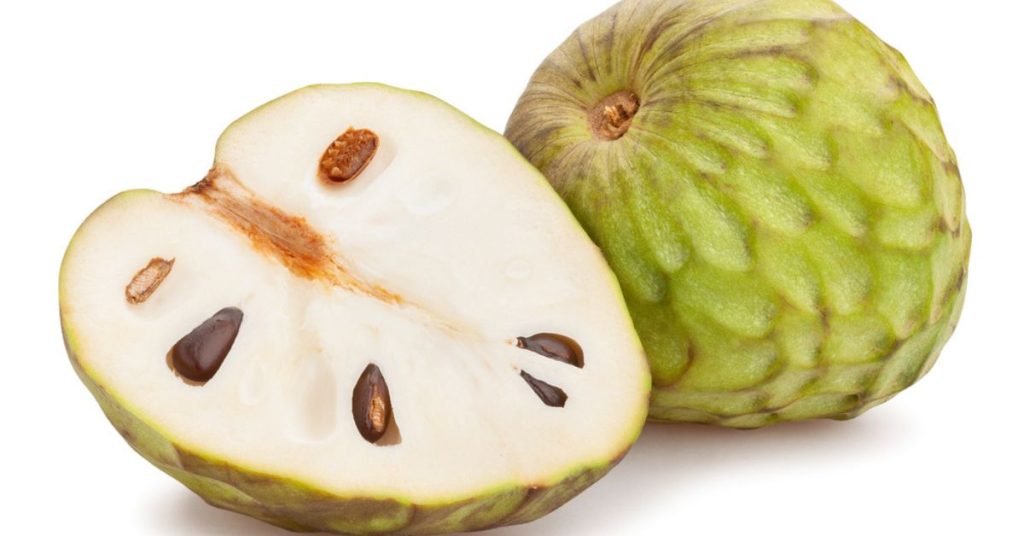
Cherimoyas, also known as custard apples, are green, heart-shaped fruits that grow in tropical regions of South America. The external skin is rough and green in color, with a creamy, sweet, custard-like flesh inside containing numerous black seeds.
Cherimoya trees can grow up to 30 feet tall and produce fruit year-round in frost-free climates, with a peak harvest season from June to August in the northern hemisphere.
What are Sugar Apples?
Sugar apples, also called sweetsops, are spherical or oblong fruits covered in soft scales resembling green, spiky armor. Under the tough exterior lie dozens of translucent, sweet segments similar in texture to jelly.
Native to Central America and northern South America, sugar apple trees thrive in tropical lowlands and produce fruit from May through September. The trees can reach heights of over 30 feet.
What ate Custard Apples?
The custard apple has a green, spiky exterior shell roughly the size of a pineapple. Once cut open, its creamy, soft pulp has a milky custard-like consistency, giving it its name.
But the custard apple’s soft, silky texture makes it very enjoyable. It melts in the mouth in a way the segmented sugar apple does not quite replicate; personal taste preferences will determine whether one prefers the straightforward sweetness of sugar apple or the milder, creamier notes of custard apple.
Differences Between cherimoya vs soursop
Now that we’ve explored the basic backgrounds of cherimoya and sugar apple, let’s examine some key ways they differ from one another.
Appearance
Cherimoyas stand out from sugar apples because of their unique heart shape versus the spherical form of sugar apples.
Cherimoyas also have a rougher green skin compared to the soft, spiky scales covering sugar apples. Cherimoya pulp resembles custard, whereas sugar apple segments are translucent and jelly-like.
Taste and Flavor
Cherimoyas pack more of a distinctive tropical flavor akin to pineapples or bananas. Their custard-like flesh has a creamy, sweet taste.
Sugar apples have a more mild, subtle sweetness reminiscent of apples or pears without as strong of a singular flavor profile. Most describe cherimoyas as having a bolder, brighter taste than sweet sugar apples.
Related: Custard Apple vs Sugar Apple: A Comprehensive Comparison
Growing Cherimoyas and Sugar Apples
Growing Conditions
Cherimoya trees grow in tropical or subtropical climates with temperatures between 65 and 80 degrees Fahrenheit year-round. They prefer well-draining, alkaline soil.
Sugar apples likewise grow best in frost-free tropical lowlands with conditions like cherimoya—warm temperatures between 70 and 85 degrees and rich, well-drained soil.
Both can survive light frosts but flourish in warm, humid environments.
Care Instructions
Cherimoya and sugar apple trees need ample water, especially during flowering and fruiting seasons. Fertilize monthly during the spring and summer.
Prune branches yearly after harvesting to maintain growth. Watch out for fungal diseases like anthracnose in wet conditions. Scale insects and snails can also damage the fruit.
Proper air circulation and debris removal help prevent pests and disease for both tree varieties.
Harvest Times
Cherimoyas are ready for harvest once they are green and quite soft, usually from June to August. Twist or lift the fruit from the branch when it is ripe.
Sugar apples are harvested from May through September once the skin changes from green to yellow or brown and the segments inside become soft and sweet. The whole fruit detaches from the tree at maturity.
Culinary Uses of Cherimoyas and Sugar Apples
Eating Fresh
Ripe cherimoyas can be eaten fresh with a spoon, straight from the skin, like a custard. Slice sugar apples in half for sharing the sweet jelly-like segments inside. Both make for refreshing snacks on a hot day.
Cherimoya salsa is a popular recipe utilizing its distinctive flavor. Sugar apples blend well into smoothies or are chopped on top of cereal.
Cooking With It
Excess cherimoya and sugar Apple pulp can be frozen or made into jams, sauces, and desserts. Cherimoya jam highlights its banana-pineapple taste. Sugar-apple jelly softens its milder flavor.
Cherimoya chutney adds Southeast Asian flair to curries and meat dishes. Cooked sugar apple chunks pair well with tropical fruits in crisps and crumbles.
In Cuisines Around The World
Throughout South America, many traditional cakes and empanadas are adorned with cherimoya puree. It’s also known as “anon” toppings. Sugar apples are featured in Philippine salads and Thai curries. Locals know them as “athey.”
Central American recipes feature cherimoya ice cream and sugar apple upside-down cake. Tropical fusion dishes incorporate both fruits’ subtle flavors.
Here are some more recipes and culinary uses for cherimoyas and sugar apples:
For cherimoyas, they can be turned into a delicious frozen custard or ice cream by blending the pulp with condensed milk and chilling overnight. This preserves their unique flavor. The pulp also mixes well into tropical fruit salsas to serve with grilled meats or chips.
Cherimoya puree acts as a natural sweetener in baked goods like quick breads and muffins, complementing other moist ingredients. It works especially well in banana bread in place of regular mashed banana. The seeds can also be roasted and ground as a coffee substitute.
For sugar apples, beyond Southeast Asian curries, they perform nicely in relishes and chutneys to accompany cheeses and charcuterie. Their soft texture holds up to longer cooking times.
Preserved in light syrup, sugar apple segments make a lovely addition to yogurt, oatmeal or cottage cheese, providing bursts of natural sweetness. They can also be blended into smoothie bowls or acai bowls as a topping.
Both cherimoya and sugar apple are commonly turned into jams, jellies, and preserves throughout Latin America to be enjoyed on toast year-round. Using just the fruit and sugar brings out their unique subtleties without overwhelming flavors.
So in summary, these tropical fruits offer versatility in both sweet and savory applications, playing well with other tropical, Asian, and Latin American flavors in diverse recipes.
Cherimoya vs soursop health benefits
Nutritional Superfoods
Cherimoyas are high in vitamins C and B6, folate, copper and fiber. They provide over 20 different antioxidants, like carotenoids and polyphenols. Sugar apples contain vitamins C and A, niacin, and riboflavin, as well as nutrients like potassium and fiber.
Digestive Health
The soluble fiber in cherimoyas and sugar apples aids regularity and promotes the growth of beneficial gut bacteria. They may help alleviate constipation, indigestion, and irritable bowel symptoms. Both fruits are gentle on the stomach.
Heart Health
Cherimoya’s antioxidants help reduce “bad” LDL cholesterol levels and protect cardiovascular function. Their potassium content counteracts sodium’s ill effects on blood pressure. Sugar apples’ fiber, folate, and vitamin C also support heart health.
Cancer Prevention
Studies show cherimoya extract limits tumor growth and spread. Compounds in sugar apples, like carotenoids and polyphenols, contain anti-cancer properties through antioxidant activity against cellular damage.
Anti-Aging Benefits
Rich in vitamins C and A, cherimoyas help stimulate collagen production for younger-looking skin. They combat free radicals linked to signs of aging. Sugar apples’ antioxidants may protect skin and vision health long-term.
Immune Function
The vitamins and minerals, along with plant compounds, in both fruits boost immunity against infections and disease. Regular consumption may lower inflammation throughout the body as well.
FAQs
Q. What regions do they grow in?
A. Cherimoyas: California, Florida, Hawaii, Australia, New Zealand, and Central and South America.
Sugar Apples: Florida, Hawaii, subtropical Asia, Mexico, Central and South America.
Q. What seasons are they in stores?
A. Cherimoyas: May through September. Sugar apples: June through October/November, depending on location.
Q. How long do they last after picking?
A. 3-5 days (cherimoyas) and 5-7 days (sugar apples) if refrigerated without washing.
Q. Are there any substitutes if they’re not available?
A. Custard apple, soursop, or blended banana-pineapple-lime for cherimoya. Green papaya, strawberry fruit, or mixed melon for sugar apples.
Q. How can I prevent cut fruit from browning?
A. Toss cherimoya or sugar apple pieces with lemon or lime juice to halt enzymatic browning. Seal it in an airtight container and refrigerate.
Conclusion
They differ in appearance, flavor, and specific nutritional profiles, but they share many health benefits thanks to their antioxidant and fiber contents. Both tropical fruits support heart health, digestion, immune function, and cancer prevention when enjoyed as part of a balanced diet.
Cherimoyas stand out for their vibrant tropical taste, resembling pineapples or mangoes. Their bolder cherimoya fruit flavor profile and unique heart shape make them more striking as well. But sugar apples offer a subtler sweetness that lends itself to both sweet and savory applications.
For growing conditions, they both need similar tropical lowland climates year-round. Home growers can plant both with enough water, fertilizer, pruning, and pest control.