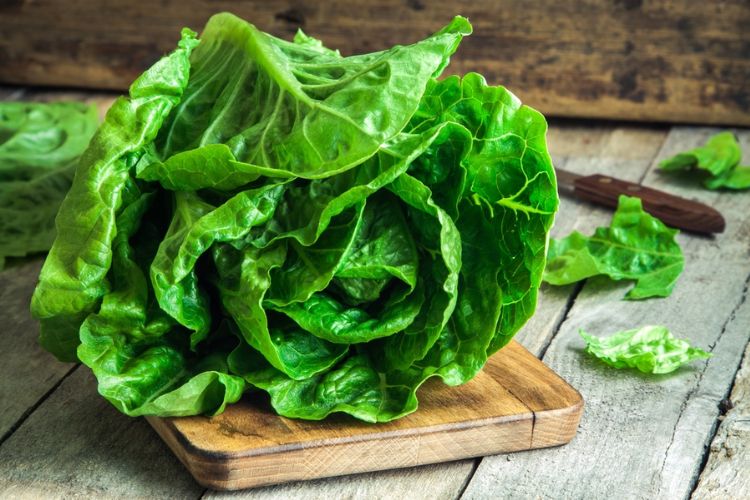
IMy neighbor Linda called me one afternoon in a panic. She had just seen a news alert about a romaine lettuce recall and had a whole head of it sitting in her fridge. She’d already eaten a salad that morning and was convinced she was about to get sick.
Sound familiar? A lot of people have been in that exact spot — standing in their kitchen, staring at a bag of lettuce, wondering if it’s safe to eat.
The honest answer is: lettuce is generally safe to eat. But there are real situations when it isn’t. Let’s break this down in a way that actually makes sense.
Quick Safety Overview
When Lettuce Is Safe
Lettuce is safe when it looks fresh, smells clean, and has no slime on the leaves. If you bought it from a store with a good expiration date and there’s no active recall, you’re most likely fine.
Home-grown lettuce is usually even safer — especially if you grew it yourself and know exactly what went into the soil and water.
When Lettuce Is Not Safe
Lettuce becomes a problem when:
- It’s been sitting too long in the fridge (more than 7–10 days after opening)
- There’s an active recall from the FDA or CDC
- It smells off or looks slimy and brown
- It came from a source with contaminated water or soil
Quick Safety Checklist
Before eating your lettuce, run through this fast check:
- ✅ No brown or slimy spots
- ✅ No bad smell
- ✅ Leaves are crisp, not mushy
- ✅ No active recall on the brand or type
- ✅ Stored properly in the fridge below 40°F
If you checked all five, you’re good to go.
Is Lettuce Safe to Eat? Understanding Contamination Risks
Here’s the thing most people don’t know — lettuce grows low to the ground. It’s a leafy plant with lots of folds and surface area. That makes it really easy for bacteria to get on it and stay there.
Common Bacteria in Lettuce
E. coli Contamination
E. coli is probably the most well-known culprit. Certain strains — especially E. coli O157:H7 — can make you seriously sick. Symptoms include stomach cramps, diarrhea (sometimes bloody), and vomiting. Most healthy adults recover in a week, but it can be dangerous for kids, older adults, and people with weaker immune systems.
E. coli usually gets into lettuce from animal feces — either from wildlife near fields or from contaminated water used for irrigation.
Salmonella Contamination
Salmonella is more commonly linked to chicken and eggs, but it shows up in lettuce too. It causes fever, diarrhea, and stomach pain, usually within 12–72 hours of eating contaminated food. Most cases clear up on their own, but it can get serious fast in vulnerable people.
Listeria Contamination
Listeria is sneaky because it actually grows in cold temperatures — meaning your fridge won’t stop it. It’s rare but dangerous, especially for pregnant women. If lettuce sits in the fridge for a long time after contamination, Listeria can keep growing.
Norovirus Contamination
Norovirus spreads easily through infected food handlers. One infected worker who doesn’t wash their hands properly can contaminate an entire batch of lettuce during packing or processing. It causes vomiting and diarrhea and spreads quickly — anyone who’s had it knows how miserable it is.
Cyclospora Contamination
Cyclospora is a parasite you don’t hear about as much, but it’s caused several lettuce outbreaks. It’s linked to contaminated irrigation water and causes prolonged diarrhea that can last weeks if not treated.
How Lettuce Gets Contaminated
Field Contamination
Lettuce fields can be contaminated by nearby livestock operations, flooding, or runoff from other farms. Wild animals like deer can also wander through fields and leave behind bacteria.
Water Source Contamination
Water used for irrigation is one of the biggest risks. If that water comes from a source that’s been exposed to animal waste or sewage, it can spread bacteria directly onto the leaves.
Handling Contamination
From the field to the processing facility to the grocery store — every hand that touches your lettuce is a potential risk. Proper hygiene at every step matters a lot.
Cross Contamination
At home, cross contamination is real too. This is one of the reasons people ask is lettuce safe to eat when they think about everything that happens between the field and their plate. Cutting lettuce on the same board you just used for raw chicken — or storing it next to raw meat in the fridge — can transfer harmful bacteria. Keep lettuce away from raw proteins.
Lettuce Recall History & News
Notable Lettuce Recalls
Lettuce recalls have happened more often than most people realize. Some of the biggest ones in recent years include:
- 2018 — One of the largest E. coli outbreaks linked to romaine in history hit across multiple states and Canada. Over 200 people got sick.
- 2019 — Another romaine outbreak hit during Thanksgiving. Terrible timing.
- 2020–2021 — Multiple smaller recalls happened across different lettuce brands.
Romaine Lettuce Outbreak History
Romaine gets targeted the most in recalls, mainly because of how it’s grown and irrigated in large farming regions. The Yuma, Arizona growing region was specifically identified as the source of the 2018 outbreak.
That doesn’t mean romaine is always dangerous — it just means it’s been linked to more outbreaks because of how large-scale its commercial production is.
How to Check Current Recalls
Before eating any lettuce — especially if you’ve seen something in the news — check the current recall list. You can search by product name or brand.
FDA & CDC Recall Resources
- FDA Recalls: fda.gov/recalls
- CDC Outbreak Updates: cdc.gov/foodsafety
Bookmark these. Seriously.
How to Wash Lettuce Safely
Linda — my neighbor from earlier — asked me the exact right question after she calmed down: “How do I wash it properly?”
Here’s the deal. No washing method removes 100% of bacteria. But washing your lettuce the right way dramatically lowers the risk.
Basic Washing Method
This one is simple and works for everyday use:
- Separate the leaves
- Rinse under cold running water for at least 30 seconds
- Rub leaves gently with your hands
- Pat dry with a clean paper towel or use a salad spinner
Vinegar Wash Method
Mix 1 part white vinegar with 3 parts water. Soak your lettuce for 2 minutes, then rinse with cold water. Vinegar’s acidity helps reduce bacteria on the surface. Some people notice a slight taste — rinsing well takes care of that.
Baking Soda Wash Method
Add 1 teaspoon of baking soda per 2 cups of water. Soak for 2 minutes and rinse well. Research has shown baking soda is actually good at removing surface pesticide residue too.
Salt Water Wash Method
Mix 1 tablespoon of salt per cup of water. Soak for a few minutes, then rinse under cold running water. Salt can help dislodge dirt and some surface bacteria.
Produce Wash Method
Commercial produce washes are available at most grocery stores. Follow the label instructions. They work similarly to the DIY methods above.
Does Washing Remove All Bacteria?
No. If bacteria has gotten inside the leaf tissue — not just on the surface — washing won’t reach it. This is one of those moments when is lettuce safe to eat becomes a harder question to answer. This is why recalls exist. When contamination is deep or widespread, washing isn’t enough.
Do You Need to Wash Bagged Lettuce?
Most bagged lettuce is labeled “triple washed” or “ready to eat.” The FDA says you don’t need to rewash it — and actually, rewashing it in a home kitchen can sometimes introduce bacteria if your sink or hands aren’t clean. If the bag says ready to eat, trust it.
Lettuce Types Safety Guide
Different types of lettuce have slightly different risk profiles. Here’s a quick breakdown:
Romaine Lettuce Safety
Romaine has been involved in the most recalls due to large-scale commercial farming. That said, it’s safe to eat when there’s no active recall and it’s been handled properly. Home-grown romaine is very low risk.
Iceberg Lettuce Safety
Iceberg has fewer documented outbreaks than romaine. Its tightly packed head makes it a little harder for surface bacteria to penetrate. Still, wash it thoroughly.
Butterhead Lettuce Safety
Butterhead (like Boston or Bibb lettuce) is often grown in more protected environments, including greenhouses. It’s generally a lower-risk option.
Leaf Lettuce Safety
Green and red leaf lettuce are popular in home gardens and farmers markets. When grown at home with clean water and good soil, they’re among the safest options.
Arugula Safety
Arugula is a peppery green with a similar safety profile to leaf lettuce. Wash it well — the small leaves can trap dirt easily.
Spinach Safety
Spinach has had its own share of outbreaks (the big 2006 E. coli outbreak is still referenced by food safety experts). Treat spinach the same as romaine — check for recalls and wash thoroughly.
Mixed Greens Safety
Pre-mixed greens combine multiple types of leaves. If one ingredient has a recall, the whole bag is affected. Check the label ingredients carefully during any active outbreak.
Hydroponic Lettuce Safety
Hydroponic lettuce is grown in water without soil, usually indoors. For anyone still wondering is lettuce safe to eat, hydroponic varieties offer some reassurance — because they’re not exposed to wildlife, irrigation runoff, or outdoor contamination, they tend to be lower risk.
Signs Lettuce Is Bad
This is the part you can control completely on your own — just use your eyes, nose, and hands.
Visual Signs
- Brown or black spots on the leaves
- Slimy or wet patches
- Wilted, collapsed leaves that don’t bounce back
- Any visible mold (fuzzy or powdery growth)
If any leaves look questionable, pull them off. If most of the head or bag looks bad, toss the whole thing.
Smell Signs
Fresh lettuce smells clean and mild — almost like nothing at all. If your lettuce smells sour, musty, or just “off,” that’s a clear sign it’s turned. Don’t try to salvage it.
Texture Signs
Lettuce should feel crisp. The moment it starts feeling slimy between your fingers or the leaves tear apart too easily, it’s past its prime. Sliminess is usually a sign bacterial breakdown has already started.
Final Thought
Growing your own lettuce — whether in raised beds, containers, or a hydroponic setup — is one of the best ways to stay in control of what’s on your plate. You know your water source. You know your soil. You decide what goes near those plants. That peace of mind is worth a lot.
But whether you grow it or buy it, knowing what to look for and how to handle it makes a real difference. Is lettuce safe to eat? In most cases, yes — and with the right knowledge, you can make sure it stays that way. Your salad should be the least stressful part of your day.