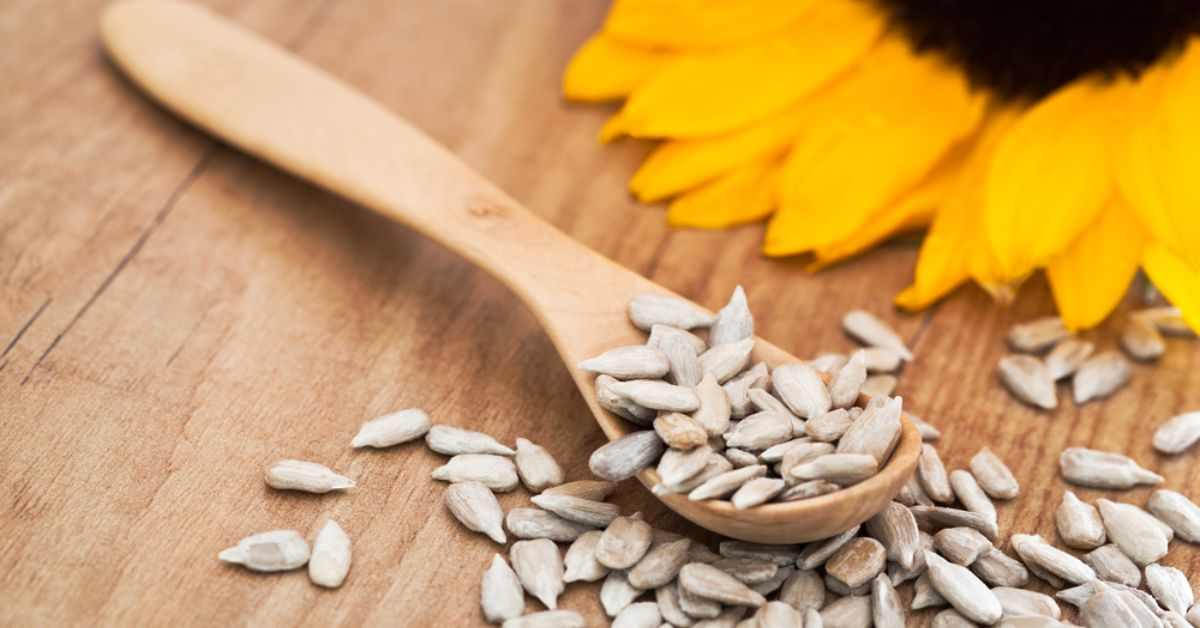
Last summer, I grew a row of Mammoth sunflowers along my back fence. They were supposed to be a privacy screen and a pollinator magnet. They did both jobs well. But when those giant heads drooped heavy with seeds in September, I had more sunflower seeds than I knew what to do with.
My neighbor Gloria — a retired teacher who grows sunflowers every year in her community garden plot — told me she eats a handful of her homegrown seeds every single morning. Has for years. She said it fixed her afternoon energy crashes and made her skin look better. I was skeptical. They’re just seeds, right?
So I decided to try it myself. One ounce of sunflower seeds every day for 30 days. I tracked everything. Here’s what happened.
My Sunflower Seed Protocol — Exactly What I Ate and How Much
Choosing the Right Type
I went with raw, unsalted, shelled sunflower seed kernels. Here’s why:
Raw over roasted — roasting at high temperatures can break down vitamin E content by 15 to 20%, according to research published in the Journal of Food Science. Since vitamin E is one of the biggest reasons to eat sunflower seeds, I wanted the full amount.
Unsalted — salted varieties can pack 100 to 200mg of sodium per ounce. I didn’t want the extra sodium messing with my results.
Shelled — way easier to measure exact portions and toss into food. No cracking shells with my teeth.
For the first two weeks I used store-bought organic kernels. Then my own harvested seeds dried out enough to use, and I switched to those. If you grow sunflowers, harvesting your own seeds for eating is one of the most satisfying things you can do with a garden. Cut the heads when the back turns brown, hang them upside down in a dry spot for a week or two, then rub the seeds out with your hands. It takes about ten minutes per head.
Daily Serving Size
I ate exactly 1 ounce per day — about a quarter cup. That’s the standard serving size used in most nutrition studies, and it lines up with USDA recommendations.
Here’s what that one ounce gives you:
| Nutrient | Amount (per 1 oz) | % Daily Value |
|---|---|---|
| Calories | 164 kcal | — |
| Vitamin E | 7.4 mg | 49% |
| Copper | 0.5 mg | 56% |
| Selenium | 22.2 mcg | 41% |
| Magnesium | 91 mg | 27% |
| Vitamin B6 | 0.4 mg | 23% |
| Folate | 67 mcg | 17% |
| Protein | 5.5 g | 11% |
| Fiber | 3.2 g | 11% |
| Healthy Fats | 12 g | — |
Look at that vitamin E number. Nearly half your daily value in a quarter cup of seeds. Most Americans don’t get enough vitamin E, and here it is sitting in a seed you can grow in your own backyard.
I split my serving between breakfast (sprinkled on oatmeal or yogurt) and an afternoon snack (eaten straight or mixed into trail mix).
How I Tracked Results
I kept a daily journal rating my energy, mood, and sleep quality on a 1 to 10 scale. I took weekly skin photos. I got basic bloodwork done before I started and again at day 30 — specifically looking at cholesterol and inflammation markers.
Quick disclaimer: this is my personal experience. I’m a gardener, not a doctor. Your results might be different.
Week-by-Week Breakdown — What I Noticed Over 30 Days
Week 1 (Days 1–7) — Subtle Shifts
Nothing dramatic happened the first week. I wasn’t expecting it to. But by day 5, I noticed something small: I wasn’t reaching for my usual afternoon granola bar. I just felt… full. Not stuffed. Just satisfied after lunch in a way I usually wasn’t.
That makes sense when you look at the numbers. Sunflower seeds have protein, fiber, and healthy fats all in one package. Research from the American Journal of Clinical Nutrition shows that this combination slows digestion and keeps blood sugar steady. Your body gets a slow drip of energy instead of a spike and crash.
My digestion needed a day or two to adjust to the extra fiber. A little bloating on days 2 and 3, then it settled.
Week 2 (Days 8–14) — Energy and Mood
This is when things got interesting. My energy felt more even throughout the day. I usually hit a wall around 2 PM and reach for a second or third cup of coffee. By day 10, I was down to one cup in the morning and feeling fine all afternoon.
I also felt more even-keeled emotionally. Less irritable. More focused during afternoon work sessions.
The likely reason: magnesium and B6. Magnesium is involved in over 300 reactions in your body, including energy production at the cellular level. B6 helps make serotonin and dopamine — the brain chemicals that regulate mood. A 2018 study in Nutrients found that higher magnesium intake was linked to fewer symptoms of mild depression and anxiety.
I grow a lot of food in my garden, and I eat pretty well. But I was apparently not getting enough magnesium. A lot of people aren’t. The soil in many areas is depleted of it, which means the food grown in that soil is lower in it too. Growing your own sunflowers in well-amended soil might actually produce seeds with better mineral content than store-bought — though I haven’t tested that formally.
Week 3 (Days 15–21) — Skin and Sleep
Week 3 is when my wife noticed something. She said my skin looked “brighter.” I didn’t see it at first, but when I compared my weekly photos, there was a difference. Less dullness. Fewer dry patches on my forehead and around my nose.
Vitamin E is a fat-soluble antioxidant that protects skin cells from damage caused by UV exposure and pollution. Selenium works alongside it to maintain skin elasticity and reduce inflammation. I was getting both in meaningful amounts every single day.
My sleep improved too. I was falling asleep faster and waking up feeling more rested. Magnesium supports the parasympathetic nervous system — the “rest and digest” mode your body needs to shift into at night. A 2012 study in the Journal of Research in Medical Sciences confirmed that magnesium supplementation improved sleep quality in older adults.
Week 4 (Days 22–30) — The Full Picture
By the last week, everything from the previous weeks felt stronger and more consistent. The energy, the mood stability, the skin improvements — they weren’t dramatic day-to-day changes. They were cumulative. Like how you don’t notice a plant growing each day, but after a month you realize it’s twice the size it was.
The biggest surprise came from my bloodwork. My LDL cholesterol dropped from 128 mg/dL to 118 mg/dL. A 10-point drop in 30 days.
Sunflower seeds contain phytosterols — plant compounds that block cholesterol absorption in your intestines. They have one of the highest phytosterol concentrations of any common seed or nut. Research in the Journal of the American Heart Association shows these compounds can lower LDL cholesterol by 8 to 10% with regular consumption.
Here’s my full before-and-after:
| What I Tracked | Day 1 | Day 30 | Change |
|---|---|---|---|
| Energy Level (1–10) | 5 | 8 | +3 |
| Sleep Quality (1–10) | 5 | 8 | +3 |
| Afternoon Cravings | Daily | Rare | Way down |
| Skin Hydration | Dry, dull | Hydrated, clearer | Improved |
| LDL Cholesterol | 128 mg/dL | 118 mg/dL | –10 |
| Mood Stability (1–10) | 6 | 8 | +2 |
| Cups of Coffee Per Day | 3 | 1 | –2 |
7 Surprising Health Benefits of Eating Sunflower Seeds Daily
Based on my experience and the research behind it, here are the benefits that stood out:
1. Antioxidant protection from vitamin E. One ounce gives you 49% of your daily vitamin E — more per ounce than almonds, avocados, or spinach. Over 90% of Americans don’t get enough of this nutrient.
2. Heart health. The unsaturated fats, phytosterols, and magnesium work together to support healthy cholesterol and blood pressure. The American Heart Association recommends seeds and nuts as part of a heart-healthy diet.
3. Reduced inflammation. A study in the American Journal of Epidemiology found that people who ate seeds 5 or more times per week had 32% lower C-reactive protein levels — a key marker of inflammation.
4. Better mood. Magnesium, tryptophan, and B6 all support serotonin production. A 2020 study in Nutritional Neuroscience linked higher seed and nut intake to lower rates of depression.
5. Healthier skin. Vitamin E protects against UV damage. Linoleic acid strengthens the skin barrier. Copper supports collagen production. This was probably the most visible change I experienced.
6. Stronger immune function. Selenium and zinc support immune cell activity. Vitamin E boosts T-cell responses. A 2019 review in Nutrients confirmed these effects across multiple clinical trials.
7. Steadier blood sugar. The protein-fiber-fat combo slows glucose absorption. Chlorogenic acid — a polyphenol in sunflower seeds — has been shown to reduce post-meal blood sugar spikes by up to 35%.
Potential Side Effects and What to Watch For
I want to be straight with you. Sunflower seeds aren’t perfect. Here’s what to keep in mind:
Calories add up fast. One ounce is 164 calories. If you’re snacking mindlessly from a big bag, you can easily eat 400 to 500 calories without realizing it. Measure your portions.
Sodium (salted varieties). If you go with salted seeds, you’re adding a lot of sodium. Stick with unsalted.
Cadmium. Sunflower plants pull cadmium from soil more than many other crops. At normal serving sizes (1 to 2 ounces per day), the levels are well within safe limits according to WHO guidelines. But don’t eat half a bag every day.
Allergies. Rare, but sunflower seed allergies do exist. If you’ve never eaten them before, start small.
Teeth. If you’re cracking unshelled seeds with your teeth, you can wear down enamel over time. Use shelled kernels or crack them with your fingers.
Who Should Try This
A daily sunflower seed habit makes sense if you want a simple, cheap, whole-food nutrition boost. If you deal with low energy, skin issues, poor sleep, or high cholesterol, it’s worth a 30-day test.
People who should check with their doctor first: anyone with seed allergies, kidney disease (high phosphorus content), or anyone on blood-thinning medication (vitamin E in high doses can interact).
How to Start Your Own 30-Day Sunflower Seed Challenge
Here are 10 easy ways to eat your daily ounce:
- Sprinkle on oatmeal or yogurt
- Blend into smoothies
- Toss into salads
- Mix into trail mix
- Add to stir-fries at the last minute
- Fold into homemade granola bars
- Spread sunflower seed butter on toast
- Add to muffins or banana bread batter
- Top avocado toast
- Eat them straight as an afternoon snack
And if you’re a gardener, grow your own. Mammoth, Russian Giant, or any large-headed variety will give you more seeds than you can eat. Plant them in full sun after your last frost, water them regularly, and let the heads dry on the stalk or hang them in a shed. You’ll have months of free seeds from a $3 packet.
Gloria was right. They’re just seeds. But sometimes the simplest things from the garden are the ones that surprise you most.
Frequently Asked Questions
How many sunflower seeds should I eat per day?
One ounce (about a quarter cup) is the sweet spot. That gives you big nutritional benefits without too many extra calories.
Is it safe to eat sunflower seeds every day?
Yes, for most healthy adults. If you have seed allergies, kidney problems, or take blood thinners, talk to your doctor first.
Are roasted sunflower seeds as healthy as raw?
Close, but raw keeps slightly more vitamin E. Dry-roasted is a good middle ground. Oil-roasted and heavily salted is the least beneficial option.
What happens if you eat too many sunflower seeds?
Too many calories, too much sodium (if salted), possible digestive discomfort from excess fiber, and over time, higher cadmium levels. Stick to 1 to 2 ounces per day.
Can sunflower seeds cause acne?
No evidence supports this. The anti-inflammatory compounds and vitamin E may actually help your skin. That said, heavily salted or oil-roasted varieties could irritate sensitive skin in some people.