
My neighbor Margaret called me last summer in a panic. Her backyard apple tree was loaded with fruit, and she had no idea what to do with hundreds of apples.
“I’ve been buying expensive superfood powders for years,” she told me. “And here I am with a tree full of one of the healthiest fruits on the planet just sitting in my yard.”
She wasn’t wrong. That old apple tree she’d been ignoring was producing fruit with more health benefits than most supplements she’d been buying.
Research shows that eating just two servings of fruit daily can reduce the risk of heart disease by up to 32%, according to a study published in the American Heart Association journal. But with so many fruit varieties available, most people have no clue which ones pack the biggest nutritional punch.
Understanding the top 5 healthiest fruits isn’t about eating more produce. It’s about making smart choices that give you the most benefit per bite. These fruits stand above the rest in antioxidant content, vitamin density, fiber levels, and disease-fighting compounds that science has proven work.
This guide reveals the five healthiest fruits based on real research and expert recommendations. You’ll learn what makes each fruit special, how they help specific parts of your health, and easy ways to add them to your daily meals.
Let’s look at nature’s most powerful fruits.
The Science of Ranking: What Makes a Fruit “Healthy”?
Nutrient Density vs. Sugar Content
Before we get into the list, you need to understand how nutritionists rank fruits.
Nutrient density measures how many vitamins and minerals you get per calorie. A fruit with high nutrient density gives you lots of good stuff without tons of calories.
Many people think “low sugar” equals healthy. But that’s not the whole picture.
Avocados are high in fat and low in sugar. Blueberries have more sugar but also have tons of fiber and antioxidants. Both are extremely healthy for different reasons.
The real stars are phytonutrients. These are plant compounds that fight disease. Different colored fruits contain different phytonutrients. That’s why you hear people say “eat the rainbow.”
Scientists use something called the ORAC Score (Oxygen Radical Absorbance Capacity) to measure antioxidant power. Higher scores mean more ability to fight harmful molecules in your body.
A fellow gardener in our community garden taught me this trick: Look at the color. Darker, richer colors usually mean higher antioxidant levels. His deep purple blackberry bushes produce berries with off-the-charts ORAC scores compared to lighter colored fruits.
#1 The Blueberry: Nature’s Brain Food
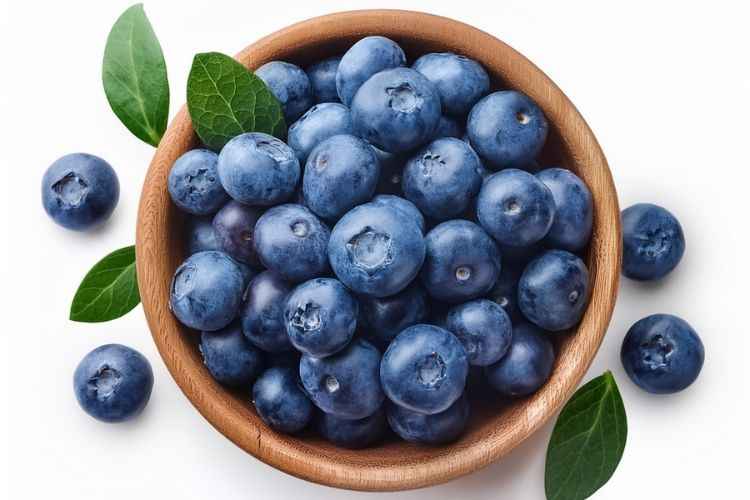
Nutritionists often rank blueberries as the number one healthiest fruit. When I finally added a blueberry bush to my garden three years ago, I wished I’d done it sooner.
Why Blueberries Win
Blueberries have the highest antioxidant capacity of any common fruit you can buy at the grocery store.
The magic comes from anthocyanins. These are the compounds that give blueberries their deep blue color. They also fight inflammation throughout your body.
The benefits are backed by research:
- Brain health: Studies show blueberries delay cognitive aging
- Heart health: Lower blood pressure and reduce arterial stiffness
- Blood sugar regulation: Improve insulin sensitivity
The ORAC Score for blueberries is around 9,000. Compare that to an apple at about 4,000. Blueberries deliver more than twice the antioxidant power.
A study published in the Journal of Agricultural and Food Chemistry found that older adults who ate blueberries regularly showed improved memory function. That’s not a small thing.
My friend Paul grows blueberries in raised beds in his Portland backyard. He swears his mental sharpness improved after he started eating a handful every morning. “Could be placebo,” he jokes. “But the research backs me up.”
How to Eat Blueberries
Here’s something most people don’t know: frozen blueberries often retain more nutrients than fresh ones.
Fresh berries start losing nutrients the moment they’re picked. Frozen berries get flash-frozen right after harvest, locking in the good stuff. Plus they cost less and last longer.
Best time to eat them: Breakfast. Start your day with brain fuel.
Simple recipe: Mix frozen blueberries with chia seeds, almond milk, and a touch of honey. Refrigerate overnight. Wake up to blueberry chia pudding with zero morning effort.
Growing tip: Blueberries need acidic soil with a pH between 4.5 and 5.5. If your soil is too alkaline, grow them in containers with an acidic potting mix. They do well in climates from Maine to Georgia, and along the Pacific coast.
#2 The Avocado: The Healthy Fat Powerhouse
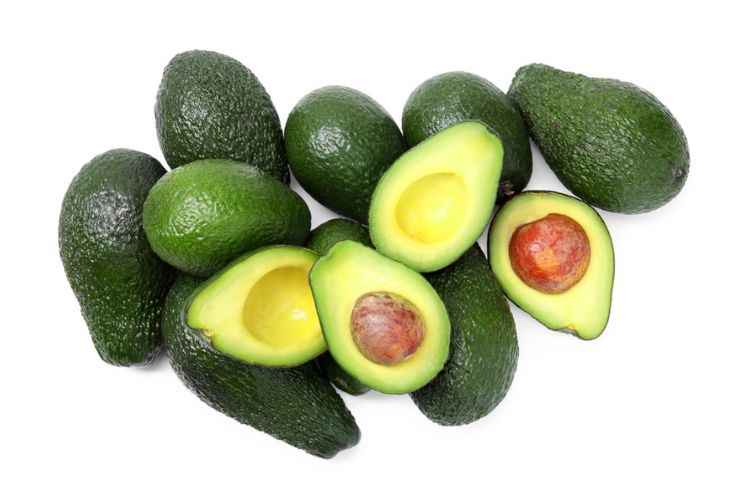
Yes, avocado is technically a fruit. And it’s the only fruit with significant healthy fats.
More Potassium Than a Banana
Everyone thinks bananas are the potassium kings. They’re not.
One avocado contains 975mg of potassium. A banana has 422mg. Avocados win by a landslide.
The fat in avocados is the good kind. They’re loaded with monounsaturated fats, specifically oleic acid. It’s the same healthy fat found in olive oil.
What avocados do for you:
- Lower LDL (bad) cholesterol
- Keep you full for hours
- Help your body absorb fat-soluble vitamins A, D, E, and K
Here’s a game-changer fact: Avocados have 10 grams of fiber per cup. That’s huge for gut health.
Studies rate avocados highest among fruits for satiety. That means they make you feel fuller longer than other fruits.
The Avocado Confusion Debunked
People worry that eating avocados will make them gain weight because of the calories.
The research says otherwise.
Studies show that people who eat avocados regularly don’t gain more weight than people who don’t. The healthy fats and fiber keep you satisfied, so you eat less of other things.
One registered dietitian put it this way: “Avocados are the perfect vehicle for nutrition. They help you absorb the good stuff from other foods.”
Eat half an avocado with your salad. The fat helps your body absorb the vitamins from the leafy greens. Without fat, those nutrients pass right through you.
Best time to eat them: Lunch. Crush those afternoon cravings before they start.
Growing tip: Avocado trees need warm climates. They thrive in Southern California, Florida, and Texas. In cooler regions, you can grow dwarf varieties in large containers and bring them inside during winter. A gardener I know in North Carolina keeps her avocado tree in a wheeled pot that she rolls into her garage when frost threatens.
#3 The Apple: The Everyday Superfood
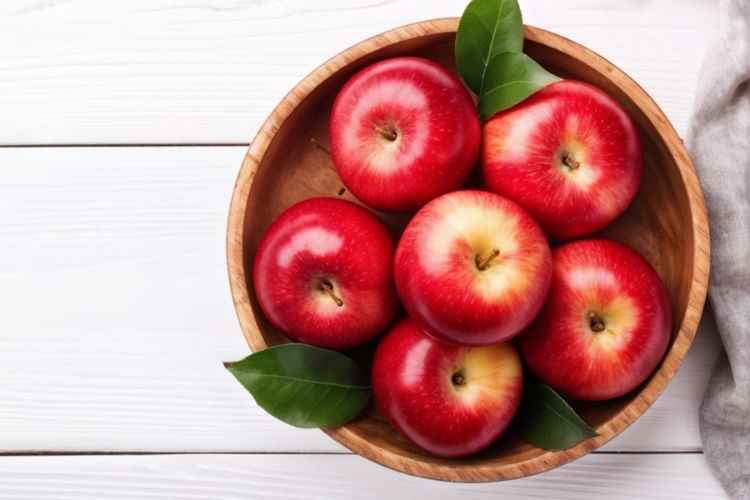
Apples might seem boring compared to exotic fruits. But don’t sleep on them. They’re the most researched fruit on the planet, and the science keeps proving how good they are.
Pectin and Quercetin
Two compounds make apples special: pectin and quercetin.
Pectin is a prebiotic fiber. It feeds the good bacteria in your gut. A healthy gut affects everything from your immune system to your mood.
Quercetin is an antioxidant that boosts immunity and reduces allergy symptoms. People with seasonal allergies often find relief by eating more quercetin-rich foods.
What the research shows:
- 4 grams of fiber per medium apple (17% of your daily value)
- A 20+ year study found apple eaters have lower risk of stroke
- Benefits for lung function and weight management
Remember Margaret from the beginning of this article? After we helped her harvest and store those apples, she ate one every day through winter. She told me her spring allergies were the mildest they’d been in years.
The Skin is Key
Here’s where most people mess up: They peel their apples.
Half the fiber and most of the antioxidants are in the peel. Throwing away the skin means throwing away the best part.
But there’s a catch. Apples rank high on the pesticide residue list. If you’re eating the skin (which you should), buy organic apples. Or at minimum, wash them really well with water and a vegetable brush.
Best varieties for health:
- Granny Smith: Lower sugar, higher quercetin
- Fuji: Sweeter, still healthy, better for kids who reject sour flavors
Growing tip: Apple trees grow well in most of the United States except for the hottest regions. They need cold winters to produce fruit. Home gardeners in the Midwest, Northeast, and Pacific Northwest often have great success with apple trees. Start with disease-resistant varieties like Liberty or Enterprise to avoid common problems.
#4 The Grapefruit: The Metabolism Booster
Grapefruit is the most underrated fruit for weight loss. Most people ignore it, which is a shame.
Lycopene and Vitamin C
Pink and red grapefruits contain lycopene. This is the same red pigment found in tomatoes. Research links lycopene to reduced risk of prostate cancer.
Half a grapefruit gives you 88% of your daily vitamin C needs. That’s a massive immune boost in a few bites.
What the numbers say:
- Glycemic Index: Only 25 (very low, won’t spike blood sugar)
- Studies found grapefruit consumers had smaller waist circumferences than non-consumers
Grapefruit also improves insulin sensitivity. For people watching their blood sugar, this fruit is a smart choice.
Plus they’re about 90% water. Eating grapefruit helps you stay hydrated.
A woman in my local gardening club started eating half a grapefruit before breakfast every day. Three months later, she’d lost 12 pounds without changing anything else. The fruit helped control her appetite for the rest of the day.
The Medication Warning
I have to mention this because it matters.
Grapefruit interacts with certain medications. If you take statins for cholesterol or certain blood pressure medications, grapefruit can cause problems. It affects how your liver processes these drugs.
This isn’t a rare issue. It’s a real concern.
If you take any medication, ask your doctor before adding grapefruit to your diet. Don’t skip this step. The interaction can be serious.
Growing tip: Grapefruit trees need warm climates with mild winters. They grow well in Florida, Texas, Arizona, and Southern California. In borderline climates, plant them against a south-facing wall for extra warmth. They don’t survive freezing temperatures.
#5 The Pomegranate: The Antioxidant King
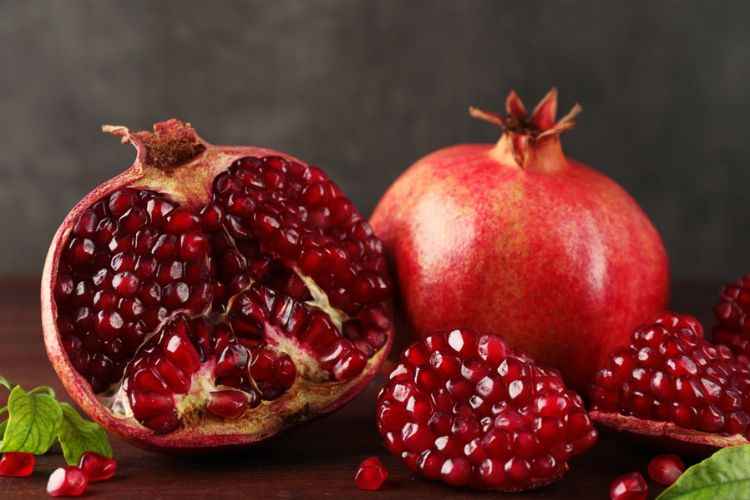
Pomegranates are the jewels of the fruit world. Those ruby-red seeds pack more antioxidant power than almost any other fruit.
Punicalagins: The Secret Weapon
Pomegranates contain compounds called punicalagins. These antioxidants are three times more powerful than green tea or red wine.
The health benefits are impressive:
- Powerful anti-inflammatory effects
- Lowers blood pressure
- May fight cancer cells (still being researched)
One pomegranate provides 40% of your daily vitamin C needs. It also has 7 grams of fiber.
Here’s what’s different about pomegranates: You eat the seeds (called arils), not the outer skin. Each little seed bursts with juice and nutrients.
A gardener from my network in San Diego grows pomegranate trees along his backyard fence. He told me they’re one of the easiest fruit trees he’s ever grown in that climate. And the harvest is massive.
Juice vs. Whole Fruit
Walk down the juice aisle and you’ll see lots of pomegranate juice options. Most of them aren’t worth buying.
Store-bought pomegranate juice is often just sugar water with a little real juice mixed in. You lose all the fiber and most of the benefits.
Eat the whole fruit. Yes, deseeding a pomegranate takes some effort. But there’s a trick.
The 30-second pomegranate hack:
- Cut the fruit in half
- Hold one half over a bowl, cut side down
- Whack the back of it with a wooden spoon
- The seeds fall right out
Best time to eat pomegranates: After a workout. The anti-inflammatory compounds help with recovery.
Growing tip: Pomegranate trees handle heat and drought well. They grow in USDA zones 7-10, which covers the southern half of the United States. They actually produce better fruit in hot, dry climates. Too much humidity causes fruit rot. Perfect for Arizona, New Mexico, and dry parts of California.
Bringing It All Together
These five fruits represent the best that nature offers for your health:
- Blueberries – Brain health and the highest antioxidant power
- Avocados – Healthy fats that help you absorb other nutrients
- Apples – Gut health and the most accessible superfood
- Grapefruits – Metabolism support and blood sugar control
- Pomegranates – Anti-inflammatory compounds that fight disease
The best part? You can grow most of these at home with the right climate and care.
Margaret, my neighbor with the apple tree, now values that old tree more than any supplement she ever bought. She’s also added two blueberry bushes and is talking about pomegranates next.
You don’t need expensive powders or exotic imports. Some of the healthiest fruits on Earth grow right in backyards across the country.
Start with whichever fruit works for your climate. Even one serving a day makes a difference. Your body will thank you.