
I was at a job in Brookside last fall, looking at a huge, beautiful maple tree in a client’s backyard. Its leaves were fire-engine red. The homeowner asked me, “Why does this one turn red, but my other one is yellow?” It was a simple question, but it started a long talk about maple trees.
Most people see them as just pretty trees. But there is so much more to them.
Did you know there are over 130 kinds of maple trees all over the world? From the fancy Japanese maple to the big sugar maple that gives us syrup. These trees are not just for looks. They are tough, useful, and full of surprises.
This article will share some of the best maple tree facts. You will learn about their leaves, their sweet sap, and what they mean to people. After reading, you will see every maple tree in a new way.
What is unique about the maple tree?
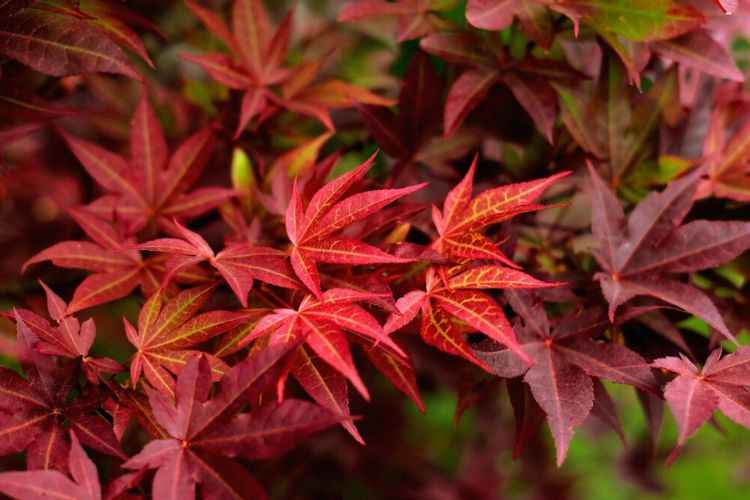
Maple trees are special because of their bright leaves, sweet sap, and what they stand for.
- Beautiful Leaves: Their leaves turn bright red, orange, and yellow in the fall.
- Syrup Makers: They are the only trees we use to make real maple syrup.
- Many Types: Over 130 species grow in Asia, Europe, and North America.
- Good for the Earth: They help clean the air and store carbon.
- Cultural Symbols: In many places, they mean balance, promise, and peace.
In short, a maple tree is loved for its beauty, its uses, and its meaning.
1. Overview of the Maple Tree
Let’s start with the basics. What exactly is a maple tree?
Scientific family and name: All maple trees belong to a group called Acer. This is their scientific genus name. There are about 130 different species in this family. They grow naturally in places like Asia, Europe, and North America. You find different types in different parts of the world.
What they look like: Most maple trees have leaves with points, called lobes. A sugar maple leaf is the one you see on the Canadian flag. They can grow really big. Some are over 100 feet tall. The bark can be smooth on young trees and rough and cracked on old ones.
We have a whole guide on other types of trees in North America if you’re interested.
2. Maple Tree Facts: Quick Highlights
Here are some fast facts to get you up to speed. This is the good stuff.
- Maple trees can live for a very long time. Some sugar maples are over 300 years old.
- They don’t grow super fast. They are a slow and steady tree.
- The sugar maple is the national tree of Canada. You see its leaf on their flag.
- They are great for wildlife. Birds build nests in them. Squirrels eat their seeds.
- Bees love their small flowers in the spring.
- Their roots help stop soil from washing away when it rains.
- It takes about 40 years for a sugar maple to be big enough to tap for syrup.
- The wood from maple trees is very hard and strong.
- It is used for making floors and baseball bats.
- Maple trees can handle cold winters very well.
- They are one of the best trees for fall color.
- The seeds are those “helicopters” that spin when they fall.
- You can tell different maples apart by looking at their leaves and bark.
- They don’t need perfect soil to grow. They are pretty tough.
The USDA Forest Service has a lot of good information on how important they are.
3. Types and Species of Maple Trees
Not all maples are the same. Here are the ones you probably know and some you might not.
Popular Maple Varieties
- Sugar Maple: This is the king for maple syrup. It also has the most amazing fall colors. It’s a big, strong tree.
- Red Maple: This one grows faster. It’s called red maple because its flowers, seeds, and fall leaves often have a red color. I see these all the time in yards around the city.
- Silver Maple: This tree grows very fast. Its leaves are green on top and silvery-white underneath. Be careful, its branches can be weak and break in a storm.
- Japanese Maple: These are the smaller, pretty ones. They have delicate leaves that can be red or green. People love them for their garden looks.
Lesser-Known Species
- Amur Maple: This is a small tree, good for tight spaces.
- Norway Maple: A tough tree that was planted a lot in cities. It can spread where you don’t want it.
- Black Maple: Very similar to the sugar maple. It’s a good strong tree.
Here is a simple table to compare them:
| Type | Growth Rate | Best For | Leaf Shape |
|---|---|---|---|
| Sugar Maple | Slow | Syrup, Fall Color | 5-lobed, classic |
| Red Maple | Medium | Quick Shade | 3-5 lobes, lighter green |
| Silver Maple | Fast | Fast Growth | Deeply cut, silvery back |
| Japanese Maple | Slow | Ornamental Garden | Delicate, lacy |
If your yard is small, check out our list of the best ornamental trees for small gardens.
4. Maple Leaf Facts and Symbolism
The leaf is the most famous part.
Why do they change color? In the fall, the green color (chlorophyll) goes away. This lets the other colors like red and yellow show through. The weather affects how bright the colors get. A sunny fall day with a cold night makes the best reds.
The maple leaf is a big symbol in Canada. It stands for the country’s natural beauty. In Japan, the maple is loved for its beauty and is in lots of art. It can mean peace and calm.
For many people, the maple tree is a sign of strength. It can survive harsh winters and still come back beautiful every spring.
National Geographic has a cool article that explains the science of leaf colors in more detail.
5. Maple Tree and Maple Syrup Connection
This is the sweet part. Literally.
How do we get syrup from a tree? In late winter, when the nights are cold and the days are warm, the sap starts to flow. We drill a small hole into the tree and put a spout in. The sap drips out into a bucket.
This sap is mostly water. It takes a lot of work to boil it down into syrup. Here’s a crazy fact: It takes about 40 liters of sap to make just 1 liter of syrup. That’s why real maple syrup can be expensive.
Only maple trees have sap sweet enough to make this work. Sugar maples are the best because their sap has the highest sugar content.
We have a simple guide on how you can try to tap a maple tree in your own yard.
6. Ecological Importance of Maple Trees
These trees are not just pretty. They are hard workers for our planet.
They provide great shade. On a hot summer day, it can be 10 degrees cooler under a big maple. This can even help lower your cooling bills.
They are great at cleaning the air. Their leaves catch dust and pollution. They also take in carbon dioxide and store the carbon, which helps with climate change.
Wildlife needs them. Birds build nests in their branches. Insects live on them, which birds eat. Their roots hold the soil together. This stops rain from washing your good soil away.
A study from the EPA shows how trees in cities help make the air cleaner.
7. Maple Wood and Its Uses
When a maple tree is cut down, its wood is very useful.
It is a hard, dense wood. This makes it perfect for floors. Maple flooring is tough and can handle a lot of people walking on it. It is also used for furniture, like a sturdy kitchen table.
Did you know it’s used for sports? Baseball bats are sometimes made from maple. So are bowling alley lanes and bowling pins.
Woodworkers like it because it has a fine grain and can take a nice smooth finish.
If you are thinking about building something, read about the best hardwoods for furniture making.
8. Fun and Lesser-Known Maple Tree Facts
Here are some extra bits that are just cool to know.
Those “helicopter” seeds are called samaras. They spin so the wind can carry them far from the tree. Kids love to throw them in the air and watch them spin.
Some maple trees can live for centuries. There are sugar maples in the forest that were saplings when George Washington was alive.
Some people have used the inner bark of certain maples to make a tea for sore throats.
The Japanese maple is a favorite for growing as bonsai. People spend years making a tiny, perfect maple tree in a pot.