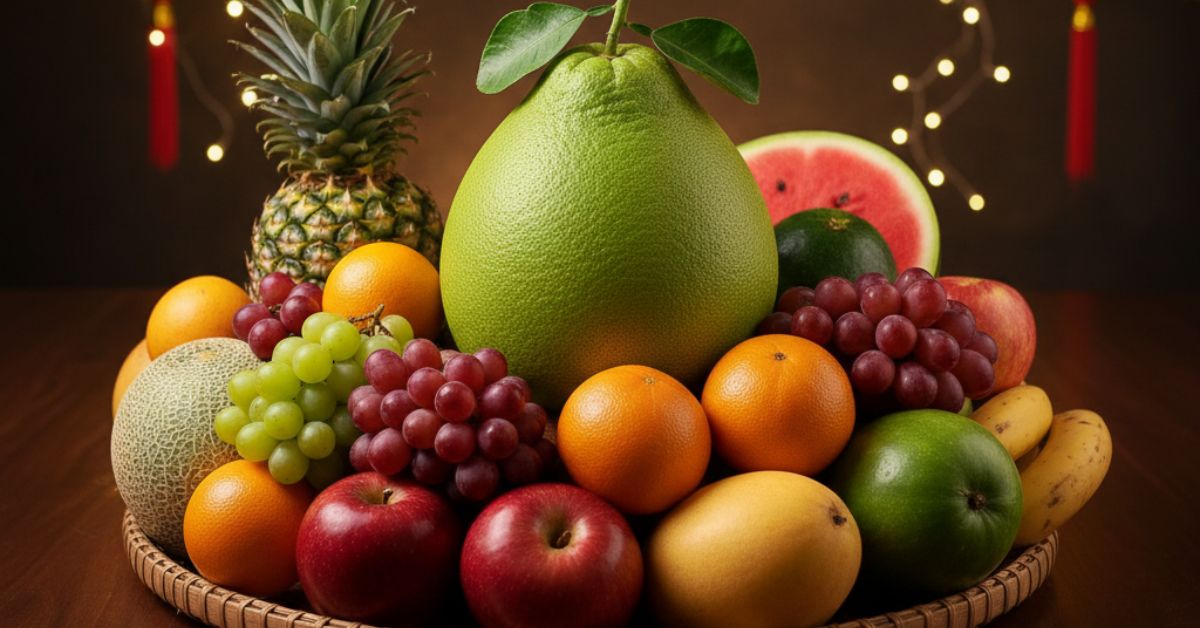
Every December 31st, my Tita Rosa spends the entire morning arranging her fruit display. She’s been doing this for over forty years. Last year, I watched her carefully place each orange, each grape cluster, and each round mango on her grandmother’s wooden tray.
“This tradition saved our family business in 1983,” she told me, adjusting a pomelo until it sat just right. “We almost lost everything. But we kept the 13 fruits, prayed over them at midnight, and things turned around.”
Whether you believe in the power of these traditions or simply enjoy connecting with cultural heritage, the practice of displaying 13 fruits for New Year 2026 carries deep meaning for millions of families. It transforms your home into a welcoming place for abundance and blessings.
This tradition blends Filipino customs with Chinese feng shui beliefs. Each round fruit stands for prosperity. Each color tells a story. Each placement matters.
If you’re continuing a family practice or starting fresh this year, this guide walks you through everything: which fruits to choose, what they mean, how to display them, and common mistakes to avoid.
Let’s prepare your home to welcome 2026 with a table full of blessings.
The Origin and Meaning Behind 13 Fruits for New Year
History of the 13 Fruits Tradition
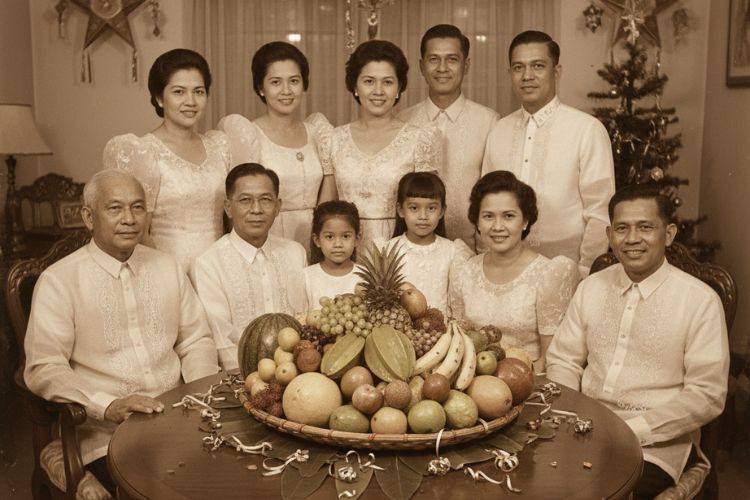
This practice comes from a beautiful blend of Filipino and Chinese cultures. Chinese communities in the Philippines brought beliefs about round shapes and prosperity. Filipino families adopted and adapted these customs over generations.
The tradition gained popularity in the mid-20th century Philippines. Families began combining indigenous Filipino practices with Chinese feng shui principles. Today, millions of households continue this yearly rituals.
Some families have passed down specific fruits for generations. Others adapt the tradition based on what’s available locally. Both approaches honor the spirit of the practice.
Why Round Fruits Are Considered Lucky
Round fruits aren’t chosen randomly. Their shape carries deep meaning.
The circular form looks like coins. Coins mean wealth. Round shapes have no sharp edges—this represents a smooth year without obstacles or hardships.
Circles also represent completeness. A year is a cycle. Round fruits honor that cycle and call for it to be filled with good things.
Cultural anthropologist Dr. Maria Santos explains: “The round shape connects to ancient Asian beliefs about the moon, coins, and the eternal cycle of life. When you display round fruits, you’re inviting that continuous flow of prosperity into your home.”
The fruits roll easily too. This symbolizes how fortune should flow freely into your life.
The Significance of the Number 13
In Western cultures, 13 often brings superstition. Not here.
The Filipino tradition views 13 as lucky. Twelve fruits represent each month of the year. The thirteenth fruit adds extra blessing—a bonus of good fortune beyond the ordinary.
Think of it as going above and beyond. You’re not just asking for a good year. You’re asking for an abundant overflow.
Some families add even more fruits. Fourteen, fifteen, twenty. There’s no penalty for extra abundance. But thirteen is the baseline for complete coverage of the year ahead.
Complete List of 13 Fruits for New Year 2026
Grapes – Abundance and Wealth
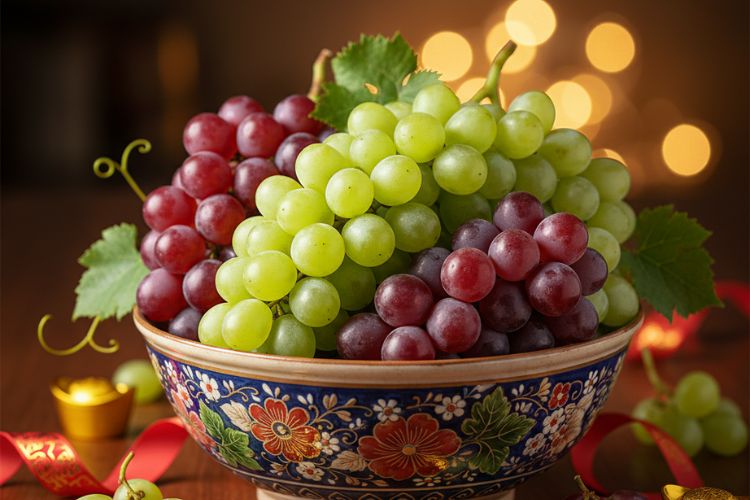
Grape clusters represent multiple blessings coming together. One vine produces many fruits—just as one blessing can multiply into many.
Green grapes symbolize growth. Red grapes bring happiness. Both colors work well in your display.
The Spanish tradition of eating 12 grapes at midnight (one for each stroke of the clock) has merged with this Filipino practice. Some families combine both.
Grapes are easy to find and affordable. They make a perfect foundation for your display.
Oranges – Good Fortune and Gold
Oranges may be the most important fruit in Asian New Year traditions. Their golden color represents actual gold and wealth.
In Chinese, the word for orange sounds similar to the word for “gold.” This linguistic connection makes oranges extra powerful for attracting prosperity.
Mandarin oranges hold special significance. They’re often given as gifts during New Year visits. Having them on your display shows respect for this tradition.
Choose bright, unblemished oranges. The brighter the color, the better the symbolism.
Apples – Peace and Harmony
The Chinese word for apple sounds like “peace.” Displaying apples calls for harmony in your household and relationships.
Red apples work best. Red represents happiness and good health. The shiny surface catches light beautifully in your display.
Apples are available year-round in most markets. They’re reliable, affordable, and packed with meaning.
Pears – Prosperity and Longevity
Sweet pears represent a sweet life ahead. Their shape is close enough to round for this tradition.
Green pears symbolize hope and new beginnings. Yellow pears represent golden opportunities coming your way.
One note: in some Chinese traditions, you should avoid splitting or sharing a pear with someone. This is because the word for “share” sounds like “separate.” Keep your pears whole on display.
Read more: 8 Cool Facts About Pumpkins: Autumn’s Superstar
Pomelo – Family Unity and Abundance
The pomelo is a traditional choice in both Filipino and Chinese celebrations. Its large size represents big blessings.
The thick skin symbolizes protection from negative energy. Inside, the sweet flesh represents the good things protected within your family.
Seeds mean fertility and offspring blessings for those who desire them.
Pineapple – Wealth and Good Luck
In Hokkien Chinese, the word for pineapple sounds like “prosperity arriving.” This makes pineapple extremely popular for New Year displays.
The golden color connects to gold and riches. The crown on top represents achievement and success in your endeavors.
Display your pineapple with the crown pointing upward. This directs the prosperity upward and throughout your home.
Watermelon – Prosperity and Fertility
Watermelon brings multiple symbolic elements. The red flesh means luck and joy. The seeds represent abundance and fertility.
The round shape fits perfectly with the coin symbolism. The sweet taste predicts a sweet year ahead.
Green exterior represents growth and renewal. Large size signifies big blessings coming your way.
Mango – Sweetness in Life
Mangoes represent sweet and prosperous living. Their golden yellow color ties to wealth.
In tropical countries like the Philippines, mangoes hold special cultural importance. They grow locally, connecting your display to the land.
Choose ripe, unblemished mangoes. The yellow should be bright and even.
Papaya – Good Health and Wellness
Papaya calls for health and vitality in the new year. The orange flesh symbolizes positive energy flowing through your body.
This tropical fruit holds significance in Filipino culture. It’s accessible, affordable, and meaningful.
Choose firm papayas that are just turning ripe. They’ll last longer in your display.
Banana – Humility and Unity
A bunch of bananas represents family unity. Each individual banana is connected to the whole—just as family members are connected to each other.
Yellow color brings happiness. The humble nature of bananas reminds us to stay grounded even as prosperity arrives.
Choose yellow, ripe bunches without bruises. The bunch should look full and healthy.
Kiat-Kiat – Prosperity
These small citrus fruits (similar to calamansi) are native to the Philippines. Their golden color represents wealth.
Being small, they’re easy to count and arrange. Many families include a bowl of these to round out their 13.
They’re also affordable, making them accessible for families on tight budgets.
Melon – Growth and Success
Cantaloupe or honeydew works well here. Both are round. Both are sweet.
Cantaloupe has orange flesh—prosperity and positive energy. Honeydew has green flesh—growth and renewal.
Large size represents substantial blessings. Display them prominently.
Coconut – Purity and Resilience
Coconut represents purity and cleansing as you enter the new year. The hard shell symbolizes protection from hardship.
White flesh inside represents purity of intentions. The sweet water means refreshing new beginnings.
Coconut is a traditional choice in Filipino households. It connects to local culture and agricultural heritage.
Complete 13 Fruits Reference Table
| Fruit | Primary Meaning | Color Symbolism | Display Tip |
|---|---|---|---|
| Grapes | Abundance, multiplication | Green = growth, Red = joy | Cluster prominently |
| Oranges | Gold, wealth | Golden = prosperity | Center placement |
| Apples | Peace, harmony | Red = happiness | Choose shiny ones |
| Pears | Sweet life, longevity | Yellow = opportunity | Keep whole |
| Pomelo | Family unity | Yellow/green = protection | Large, center |
| Pineapple | Prosperity arriving | Golden = riches | Crown pointing up |
| Watermelon | Fertility, luck | Red = joy, Green = growth | Show red flesh |
| Mango | Sweetness | Golden = wealth | Choose ripe |
| Papaya | Health, wellness | Orange = energy | Firm, almost ripe |
| Banana | Family unity | Yellow = happiness | Full bunch |
| Kiat-kiat | Prosperity | Gold = wealth | Bowl of many |
| Melon | Success, growth | Orange or green | Large display |
| Coconut | Purity, protection | White = cleansing | Traditional choice |
Alternative Fruits for Your New Year 2026 Display
Budget-Friendly Options
Not everyone can afford mangoes and pomelos at peak holiday prices. That’s okay. The intention matters more than the price tag.
Bananas, oranges, and apples are always affordable. Local fruits cost less than imported options.
You can mix expensive and affordable fruits strategically. One pomelo surrounded by local citrus still carries full meaning.
Seasonal availability affects prices too. Buy what’s in season and locally grown when possible.
Regional Substitutions
If you’re outside the Philippines, some traditional fruits may be hard to find.
In North America: Use clementines instead of kiat-kiat. Honeydew or cantaloupe work for melons.
In Europe: Satsumas replace mandarin oranges well. Local pears carry the same meaning.
In Australia: Summer fruits are in season during New Year. Take advantage of stone fruits that are round enough.
The key is maintaining round shapes and positive symbolism. Local fruits that match these criteria work perfectly.
Additional Lucky Fruits to Consider
Beyond the traditional thirteen, other fruits carry luck:
- Lychee: Sweetness and romance
- Dragon fruit: Courage and prosperity
- Persimmon: Joy and good fortune
- Peach: Longevity in Chinese tradition
- Pomegranate: Fertility and abundance (seeds represent many blessings)
How to Select the Perfect Fruits for New Year 2026
Choosing Fresh and Unblemished Fruits
Appearance matters in your display. Bruised or damaged fruits send the wrong message symbolically.
Look for:
- Bright, even colors
- Firm texture (not too soft)
- No visible bruises or cuts
- Pleasant, fresh smell
- Uniform size for visual balance
Market vendor Mang Pedro, who has sold New Year fruits for 30 years in Divisoria, advises: “Come early in the morning. The best fruits go first. Touch them gently—you want firm but not hard.”
When to Buy Your Fruits
Timing matters for both freshness and budget.
Two to three days before New Year is ideal. Fruits stay fresh through January 1st, and prices haven’t peaked yet.
Prices jump significantly on December 30th and 31st. Shopping earlier saves money.
Some fruits like bananas and mangoes need time to ripen. Buy these slightly underripe so they’re perfect by December 31st.
Pre-order specialty fruits like pomelo if your market offers this option.
How Many to Buy
You need at least 13 individual fruits. But buy extras.
Grapes count as one fruit (the cluster), not individual grapes. Same with bananas—the bunch counts as one.
Buy backup fruits in case some get damaged or spoil. Two extra oranges or apples provide insurance.
If your display is large, you may want multiples of each fruit for visual fullness.
Creating the Perfect 13 Fruits Display for 2026
Choosing the Right Location
Traditionally, the dining table holds the display. This is where family gathers, making it meaningful.
Living rooms work too, especially if visible to everyone entering the home.
Near the entrance welcomes good fortune as it arrives. This follows feng shui principles.
Avoid direct sunlight—fruits spoil faster. Keep away from heat sources like stoves or heaters.
Arrangement Tips
Use a round tray, bowl, or basket. Round containers match the round fruit symbolism.
Place larger fruits at the bottom for stability. Layer smaller fruits on top.
Create height variation. This looks more appealing and shows abundance.
Arrange colors thoughtfully. Spread red, orange, yellow, and green throughout for vibrancy.
Interior designer Ana Reyes suggests: “Think of it as creating a mountain of blessings. The eye should travel upward, toward abundance.”
Decorating Your Display
Red and gold are lucky colors. Add ribbons in these shades.
Some families place Chinese coins or lucky symbols among the fruits. This adds meaning without cluttering.
A red tablecloth or fabric underneath brightens the display and adds symbolism.
Keep decorations balanced. The fruits should remain the focus.
Timing Your Setup
Set up your display on December 31st morning. This ensures fruits are fresh for midnight.
The display must be ready before midnight. This welcomes the new year properly.
Many families maintain their display through January 1st or longer. Refresh any wilting fruits if you continue beyond the first day.
New Year’s Eve Rituals with 13 Fruits
Midnight Traditions
At midnight, gather your family around the display. Many families pray or set intentions over the fruits.
Some follow the Spanish tradition: eat one grape per month of the year at midnight.
Making wishes as the clock strikes twelve connects your intentions to the symbolic fruits.
The gathering itself—family together around abundance—embodies what the tradition calls for.
Combining with Other Traditions
The 13 fruits work beautifully with other Filipino New Year customs:
- Media noche feast: The fruit display becomes part of the midnight table
- Polka dots: Round patterns on clothing match round fruit symbolism
- Jumping at midnight: Done to wish for height or growth
- Open windows and doors: Lets luck flow in (past your fruit display)
- Loud noises: Drive away bad spirits before the luck arrives
Modern Adaptations
Families now share their displays on social media. This spreads the tradition to new audiences.
Some add personally meaningful fruits beyond the traditional choices. This personalizes the practice while honoring its roots.
Teaching children the meaning behind each fruit keeps the tradition alive for future generations.
Common Mistakes to Avoid
Fruit Selection Mistakes
Don’t choose non-round fruits. Star fruit, despite its name, doesn’t fit this tradition. Stick with round shapes.
Never use artificial or plastic fruits. The life energy matters. Real fruits carry real symbolism.
Avoid fewer than 13. Count carefully. Missing even one fruit leaves a month unblessed.
Don’t pick overripe fruits. Spoiled or rotting fruits send the wrong message symbolically.
Display Errors
Don’t set up too early. Fruits displayed a week ahead will spoil before midnight.
Never wait until after midnight. The display must greet the new year as it arrives.
Avoid hiding the display. It should be visible, not tucked in a corner.
Don’t use unlucky colors in your presentation. Avoid white or black decorations around the fruits.
Cultural Considerations
Understand the tradition, not just follow it blindly. Know why each fruit matters.
Teach your children the meanings. They’ll carry the tradition forward.
If you’re new to this practice, approach it with respect. Many families hold this tradition dear across generations.
After the New Year: What Comes Next
When to Take Down Your Display
Traditionally, the display comes down after January 1st. Some families wait until January 7th.
Others maintain theirs until Chinese New Year (late January or February 2026). This extends the blessing period.
When fruits begin wilting or spoiling, it’s time. The display should always look abundant and fresh.
Using Your Blessed Fruits
Eat the fruits for continued blessings. Many believe consuming them extends the luck they represent.
Share with neighbors and extended family. Spreading the abundance multiplies it.
Make fruit salads, desserts, or juices. Avoid wasting blessed fruits when possible.
Compost scraps to return them to the earth. This completes the natural cycle.
Carrying Blessings Forward
The display is just the beginning. Let its symbolism guide your year.
Set monthly intentions related to what you wished for at midnight.
Plan next year’s tradition now. Note which fruits worked well and which you might change.
Document your displays year over year. These photos become family treasures showing your journey through time.
Final Thought
My Tita Rosa is already planning her 2026 display. She told me she’ll add an extra pomelo this year. “We have more family now,” she said. “More blessings to ask for.”
That’s the heart of this tradition. It’s not about superstition. It’s about intention, family, hope, and taking time to consciously invite good things into your life.
May your 13 fruits for New Year 2026 bring everything you wish for—and more.